Caption
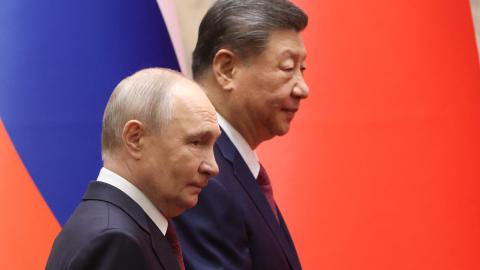
Russian President Vladimir Putin and Chinese President Xi Jinping enter the hall during a signing ceremony on May 20, 2026, in Beijing, China. (Getty Images)




With the election of a new president and significant foreign policy decisions on the line, one of the best ways to understand the stakes involved is to revisit the past. With the Middle East, there is no better place to start than with Dwight Eisenhower, the incisive leader who helped win World War II and formulated America’s Cold War policy. But according to Hudson Senior Fellow Michael Doran in his critically acclaimed new book, Ike’s Gamble, Eisenhower stumbled repeatedly in the Middle East before he got it right.
Eisenhower, in Doran’s account, initially made the same kinds of mistakes that President Barack Obama has made. Both believed America had tilted too closely to Israel and sought to readjust the balance—Obama by realigning with Iran, and Eisenhower by allying with Egyptian president Gamal Abdel Nasser. The difference, argues Doran, is that Eisenhower came to realize he was wrong to turn against America’s traditional Middle East allies and he eventually restored the status quo. Obama, however, leaves the White House with America's position in the Middle East still unsettled. Will Donald Trump be able to repair Middle Eastern relations, or will he indulge isolationist tendencies and further cede America's status in the region? Given the extent of Eisenhower's engagement in the region, what other lessons can the next administration draw from his experience?
On November 21, panelists Michael Doran, Hudson Distinguished Fellow Walter Russell Mead, and Council on Foreign Relations Fellow Ray Takeyh discussed Eisenhower's strategy and the incoming administration's policy options in the Middle East. This lunchtime panel was moderated by Hudson Senior Fellow Lee Smith.
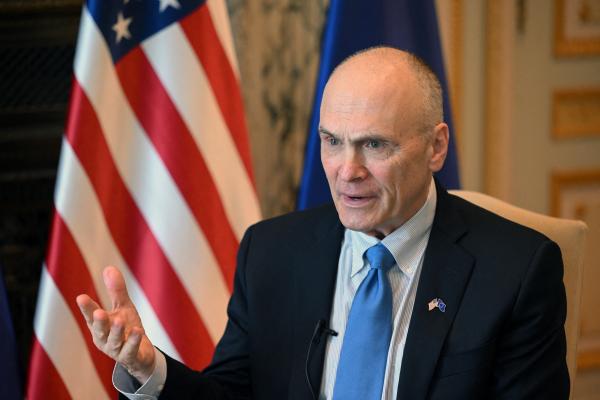
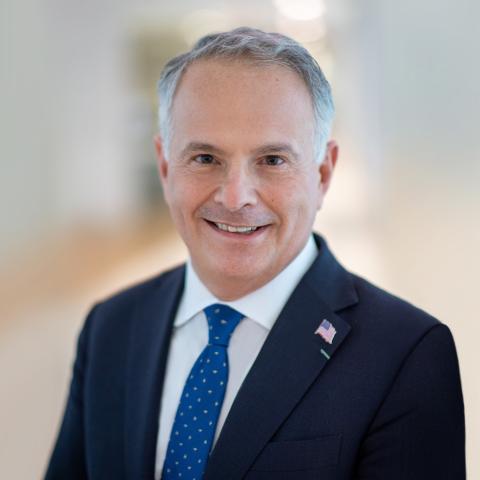
Join Hudson Institute for a conversation with US Ambassador to the EU Andrew Puzder and Senior Fellow Harold Furchtgott-Roth on America’s interests in reducing the harmful effects of CS3D and CSRD.

Join Hudson Institute for a conversation with Lazarus, founder of Lazarus Consulting and former speechwriter to the Commander of the US Southern Command.


Join Hudson Institute for a conversation with the author on the eve of the book’s release. Babb, Director of The Promised Land Project at the Macdonald-Laurier Institute and an associate fellow at the Institute for National Security Studies in Tel Aviv, will discuss the book’s central argument and the practical ways Jews and non-Jews alike can embrace Zionist ideas in their lives.

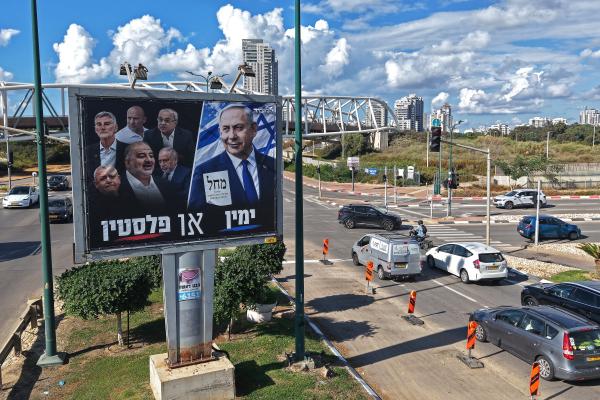
Join Hudson Institute Senior Fellow Ludovic Hood for a panel with David Wurmser of the Jerusalem Center for Security and Foreign Affairs; David Makovsky of the Washington Institute; and Senior Fellow and Director of the Center for Peace and Security in the Middle East, Michael Doran, as they discuss the state of the race and potential paths forward for the United States–Israel relationship.