21
November 2024
Past Event
Strategic Challenges Facing the US–South Korea Alliance

Event will also air live on this page.


Inquiries: eheller@hudson.org

Strategic Challenges Facing the US–South Korea Alliance

Past Event
Hudson Institute
November 21, 2024
The South Korean and American flags fly next to each other at Yongin, South Korea, on August 23, 2016. (DVIDS)
Caption
The South Korean and American flags fly in Yongin, South Korea, on August 23, 2016. (DVIDS)
21
November 2024
Past Event

Event will also air live on this page.


Inquiries: eheller@hudson.org

Speakers:
patrick-cronin
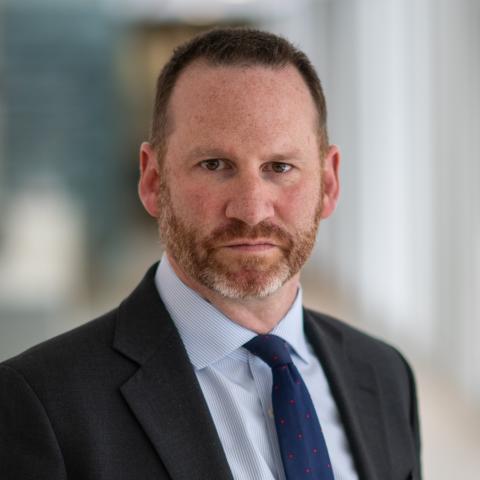
Patrick M. Cronin

Asia-Pacific Security Chair

Chairman of the Board, Project 2049 Institute
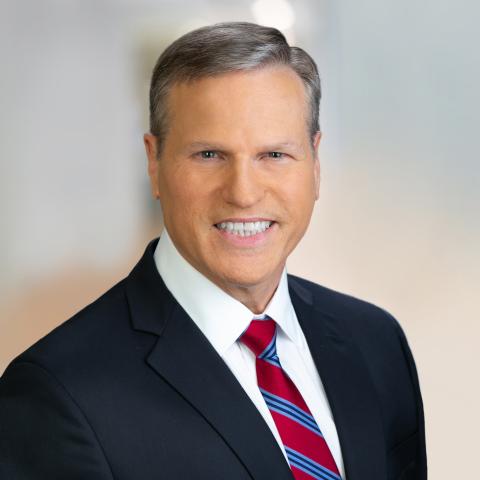
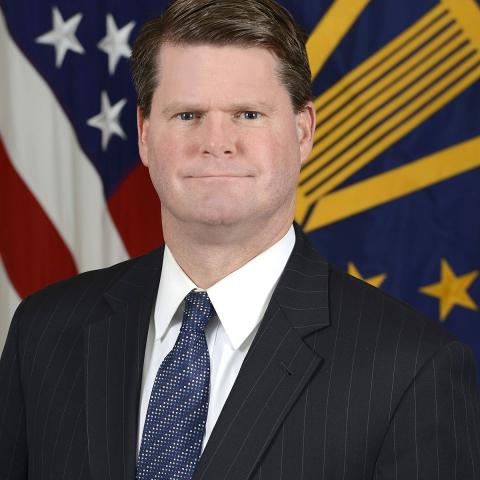
Randall G. Schriver

Chairman of the Board, Project 2049 Institute

Director, US-China Policy Institute, Ajou University and President, Plaza Project
Heungkyu Kim

Director, US-China Policy Institute, Ajou University and President, Plaza Project

Principal, Asia Group
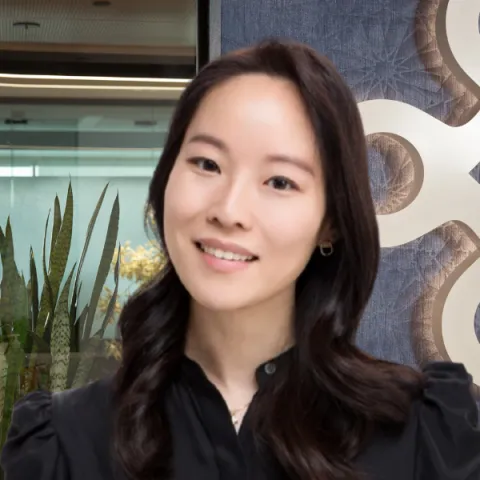
Jennifer Lee

Principal, The Asia Group

Stanton Nuclear Fellow, Nuclear Policy Program, Carnegie Endowment for International Peace
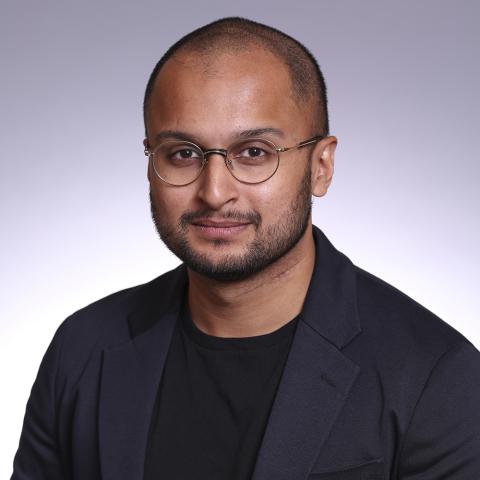
Ankit Panda

Stanton Nuclear Fellow, Nuclear Policy Program, Carnegie Endowment for International Peace

Associate Professor, Graduate School of International Studies, Yonsei University
Jae Jeok Park

Associate Professor, Graduate School of International Studies, Yonsei University

Olivia Enos
Olivia Enos

Senior Fellow

Yein Nam

Research Intern, Hudson Institute

Listen to Event Audio

President-elect Donald Trump will bring a new agenda and a different approach to the United States’ alliances compared to the outgoing Biden administration. How should the second Trump administration balance US national security interests while building on Washington’s strong alliance with the Republic of Korea (ROK)? The two governments recently “reaffirmed the shared vision, common values, and unwavering commitment to their combined defense posture and the Mutual Defense Treaty (MDT) as the bedrock of our security partnership.” On the other hand, President Trump will face growing security cooperation among North Korea, Russia, China, and Iran as he begins his second tenure.

While the North Korean nuclear problem is once again a central security challenge, South Korean leaders hold diverse views about how to enhance extended deterrence. There is also considerable debate in Seoul about how the ROK should modernize its military capabilities, manage Korea’s relationship with China, support peace and security in maritime Asia (including the Taiwan Strait), and deepen cooperation with Japan, the Philippines, Australia, and the North Atlantic Treaty Organization.

Join Hudson for keynote remarks and an expert panel discussion on Korean policy challenges and priorities as well as ways the next US administration can minimize policy disruptions during the transition and find further strategic convergence with the ROK.

Agenda

10:00 a.m. | Remarks

  • Heungkyu Kim, Director, US-China Policy Institute, Ajou University and President, Plaza Project (Virtual)
  • Patrick M. Cronin, Asia-Pacific Security Chair, Hudson Institute
  • Randall G. Schriver, Chairman of the Board, Project 2049 Institute
  • Yein Nam, Research Intern, Hudson Institute

10:30 a.m. | Panel Discussion

  • Jennifer Lee, Principal, The Asia Group
  • Ankit Panda, Stanton Nuclear Fellow, Nuclear Policy Program, Carnegie Endowment for International Peace
  • Jae Jeok Park, Associate Professor, Graduate School of International Studies, Yonsei University
  • Patrick M. Cronin, Asia-Pacific Security Chair, Hudson Institute
  • Olivia Enos, Senior Fellow, Hudson Institute
Related Events
17
February 2026
In-Person Event | Invite Only
Assistant Secretary of State Christopher Yeaw on the End of the New START Treaty
Featured Speakers:
Christopher Yeaw
Rebeccah L. Heinrichs
A Russian Yars intercontinental ballistic missile launcher in Moscow on May 9, 2025. (Getty Images)

17
February 2026
In-Person Event | Invite Only
Assistant Secretary of State Christopher Yeaw on the End of the New START Treaty

Join Assistant Secretary of State for Arms Control and Nonproliferation Dr. Christopher Yeaw for a discussion on strategic deterrence.

A Russian Yars intercontinental ballistic missile launcher in Moscow on May 9, 2025. (Getty Images)
Featured Speakers:
Christopher Yeaw
Rebeccah L. Heinrichs
19
February 2026
In-Person Event | Hudson Institute
The Economic Case for the US-Israel Partnership with Minister of Economic Affairs Noach Hacker
Featured Speaker:
Noach Hacker
Moderator:
Michael Doran
Tel Aviv’s skyline. (Getty Images)
19
February 2026
In-Person Event | Hudson Institute
The Economic Case for the US-Israel Partnership with Minister of Economic Affairs Noach Hacker
Tel Aviv’s skyline. (Getty Images)
Featured Speaker:
Noach Hacker
Moderator:
Michael Doran
20
February 2026
In-Person Event | Hudson Institute
Toward a Stronger US-Taiwan Partnership: Unpacking the Agreement on Reciprocal Trade
Featured Speakers:
Rupert Hammond-Chambers
Bonnie Glaser
Moderator:
Riley Walters
Getty Images
20
February 2026
In-Person Event | Hudson Institute
Toward a Stronger US-Taiwan Partnership: Unpacking the Agreement on Reciprocal Trade

Join Hudson for an expert panel on why these deals are so important for both nations, what they mean for the future of US supply chains, and what potential challenges remain for implementing these deals.

Getty Images
Featured Speakers:
Rupert Hammond-Chambers
Bonnie Glaser
Moderator:
Riley Walters
10
February 2026
Past Event
Assistant Secretary of War Michael Cadenazzi on Rebooting America’s Defense Industrial Base
Featured Speakers:
Michael Cadenazzi
Nadia Schadlow
DVIDS
10
February 2026
Past Event
Assistant Secretary of War Michael Cadenazzi on Rebooting America’s Defense Industrial Base

Join Hudson for a conversation with Assistant Secretary of War for Industrial Base Policy Michael Cadenazzi, who leads the DoW’s efforts to develop and maintain the US defense industrial base to secure critical national security supply chains.

DVIDS
Featured Speakers:
Michael Cadenazzi
Nadia Schadlow