16
March 2018
Past Event
Why Is There Resistance to Modernizing the FCC?

Why Is There Resistance to Modernizing the FCC?

Past Event
Hudson Institute, Washington, D.C. Headquarters
March 16, 2018
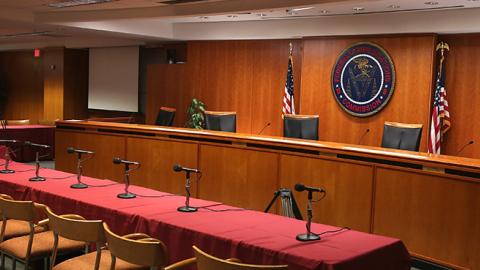
The hearing room at the Federal Communications Commission headquarters. Washington, DC. February 26, 2015.
Caption
The hearing room at the Federal Communications Commission headquarters. Washington, DC. February 26, 2015.
16
March 2018
Past Event

1201 Pennsylvania Avenue, N.W., Suite 400
Washington, DC 20004

Speakers:
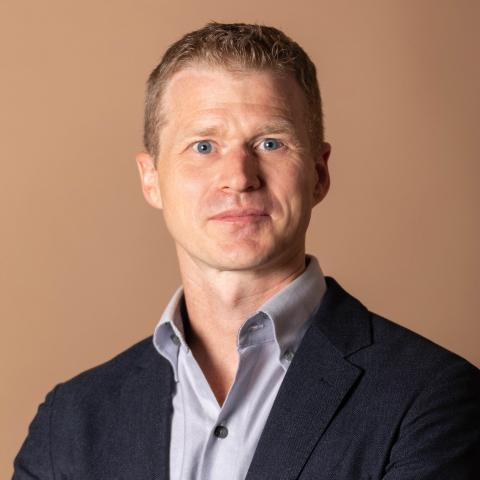
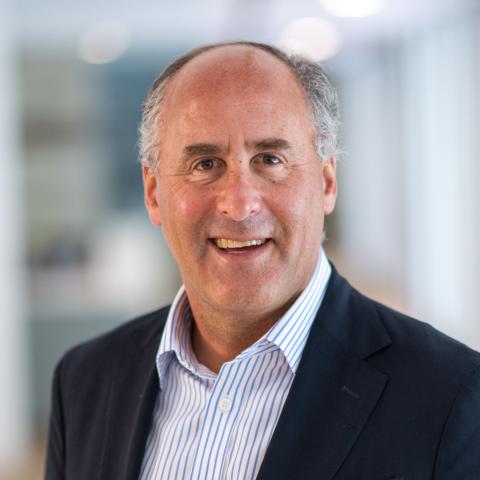
Roslyn Layton

Visiting Scholar, American Enterprise Institute

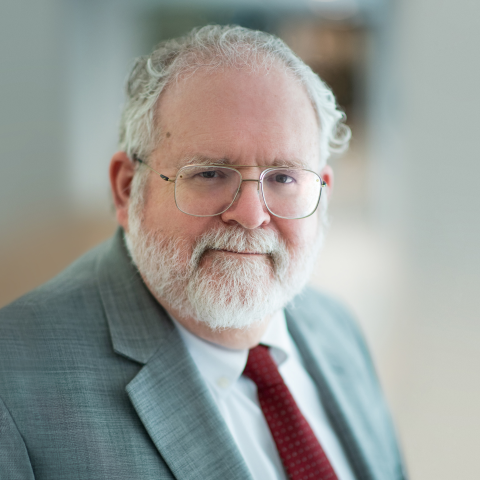
harold_furchtgott_roth
Harold Furchtgott-Roth

Senior Fellow and Director, Center for the Economics of the Internet

The classic model of regulation guides the evolution of the market from monopoly to competition. In 1999 Federal Communications Commission (FCC) Chairman Bill Kennard proposed a plan to modernize the FCC along these lines. While the plan was rejected in the U.S., a similar plan was implemented in Denmark. In 2011 Denmark dismantled its telecom regulator and reallocated resources to cybersecurity and the digital agenda. Three years later Denmark was named the top digital nation in the world. Before the E.U.’s net neutrality law came into place in 2015, the country had successfully practiced self-regulation for 5 years.

Today, efforts to modernize the FCC inspire fierce debate. It is logical that organizations in a data-driven world would formalize systems and processes to incorporate data into decision-making. Yet a proposal to do exactly that through the creation of an Office of Economics and Analysis at the FCC was rejected by two commissioners.

On March 16, Hudson Institute hosted American Enterprise Institute’s Roslyn Layton for a conversation exploring examples of telecom modernization and addressing FCC resistance to the concept. Harold Furchtgott-Roth, Director of Hudson’s Center for the Economics of the Internet, moderated the conversation.
Related Events
30
November 2026
In-Person Event | Hudson Institute
Azerbaijan and the New American Strategy for Eurasia
Featured Speakers:
Can Kasapoğlu
Michael Doran
Ken Moriyasu
Aliyev
30
November 2026
In-Person Event | Hudson Institute
Azerbaijan and the New American Strategy for Eurasia

Join Hudson Institute for a conversation that examines Washington’s relationship with Azerbaijan.

Aliyev
Featured Speakers:
Can Kasapoğlu
Michael Doran
Ken Moriyasu
30
November 2026
Virtual Event | Online Only
Commanding the Autonomous Battlefield
Featured Speakers:
Gokul Subramanian
Bryan Clark
Drones
30
November 2026
Virtual Event | Online Only
Commanding the Autonomous Battlefield

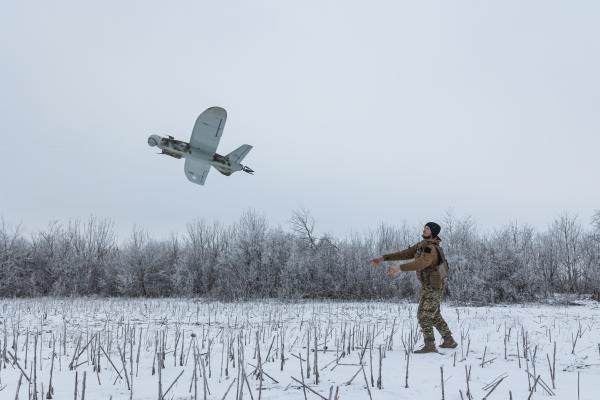
Join Bryan Clark and Anduril Senior Vice President for Technology Gokul Subramanian for a conversation about the future of military command-and-control concepts and technologies.

Drones
Featured Speakers:
Gokul Subramanian
Bryan Clark
02
December 2026
In-Person Event | Invite Only
Fukuyama Was Wrong: He Missed the Challenge of Post-Democracy and Post-Liberalism
Featured Speakers:
John Fonte
Tony Abbott
Daniel McCarthy
Tom Klingenstein
Anna Wellisz
Jonathan Price
Gadi Taub
Todd Huizinga
John O'Sullivan
Mark Krikorian
Stanley Kurtz
Michael Doran
Sunrise
02
December 2026
In-Person Event | Invite Only
Fukuyama Was Wrong: He Missed the Challenge of Post-Democracy and Post-Liberalism

A conference reflecting on John Fonte’s work and the future of liberal democracy
Sunrise
Featured Speakers:
John Fonte
Tony Abbott
Daniel McCarthy
Tom Klingenstein
Anna Wellisz
Jonathan Price
Gadi Taub
Todd Huizinga
John O'Sullivan
Mark Krikorian
Stanley Kurtz
Michael Doran
02 - 03
December 2026
In-Person Event | Invitation Only
Second Annual US-China Rivalry in the Middle East Conference
Featured Speakers:
Zineb Riboua
Joel Scanlon
Can Kasapoğlu
Michael Doran
Chaim Martin
Ryan Fedasiuk
Moderators:
Ludovic Hood
Aaron MacLean
(US-China Rivalry in the Middle East logo)
02 - 03
December 2026
In-Person Event | Invitation Only
Second Annual US-China Rivalry in the Middle East Conference

Join Hudson to examine how the war with Iran, the rise of emerging technologies, and China's expanding influence are reshaping the Middle East, and what the United States must do to secure its strategic and technological leadership in the region and beyond.
(US-China Rivalry in the Middle East logo)
Featured Speakers:
Zineb Riboua
Joel Scanlon
Can Kasapoğlu
Michael Doran
Chaim Martin
Ryan Fedasiuk
Moderators:
Ludovic Hood
Aaron MacLean