










U.S. policymakers are watching this election to see if Tokyo can find political stability, and whether it will lead to Japan implementing greater defense and economic reforms.
This is an important year as Tokyo undergoes reviews of its essential security and defense documents, space policy, defense equipment controls, and foreign investment and economic security laws. American policymakers will want to see changes that align with their own interests and possibly increase U.S.-Japan business opportunities.
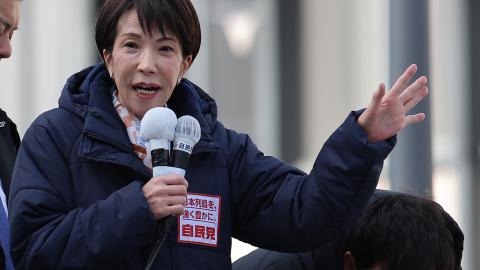
This election will be the first real political test for Prime Minister Sanae Takaichi. We'll see if her high approval ratings mean anything for bringing stability to the politically fractured Diet. Even gaining a modest number of seats should be a big win for her against her party's string of losses in the previous elections. And creating some political certainty will likewise help Takaichi toward realizing her own vision for a safer and more prosperous Japan.
Takaichi has expressed an interest in building a stronger, more self-dependent Japan that can take a greater leadership role across the Indo-Pacific region. And this isn't too far off from the Trump administration's interests of having America's allies take greater agency in the security of their regions. There's a mutual interest in increasing Japan's ability to protect itself, whether through greater defensive efforts or economic security. Neither government wants to see an overreliance on countries like China anymore, especially for critical supply chains.
Regardless of the election results, the most important thing for the U.S.-Japan relationship right now is making sure the U.S.-Japan investment deal makes progress. U.S. President Donald Trump's recent threat of tariffs against South Korea shows domestic politics is no excuse for slow implementation, and the last thing a new government in Tokyo should want is to start off the year renegotiating tariffs.