15
September 2011
Past Event
Medicare Part D Drug Benefit: Five Years Later—Is It Working?

Medicare Part D Drug Benefit: Five Years Later—Is It Working?

Past Event
Hudson Institute, Washington, D.C. Headquarters
September 15, 2011
Default Event Image
15
September 2011
Past Event

1015 15th Street, N.W., 6th Floor
Washington, DC 20005

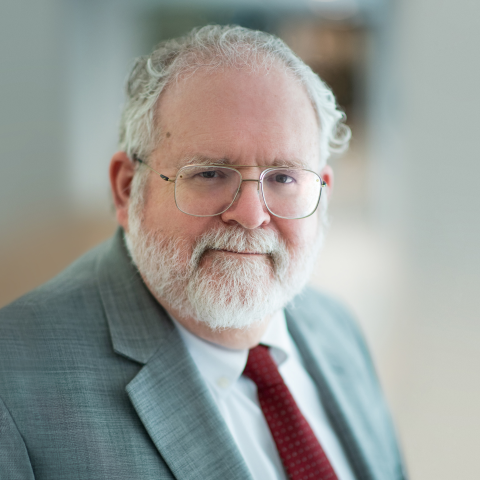
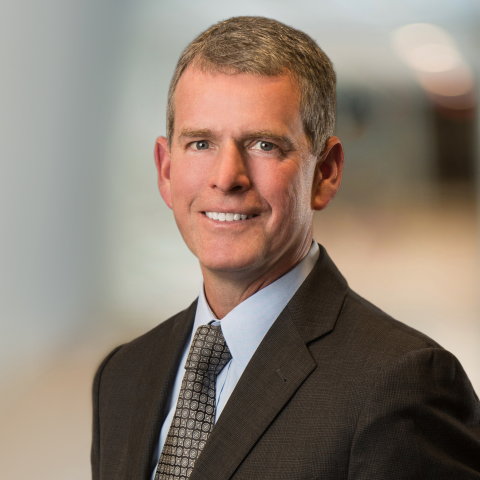
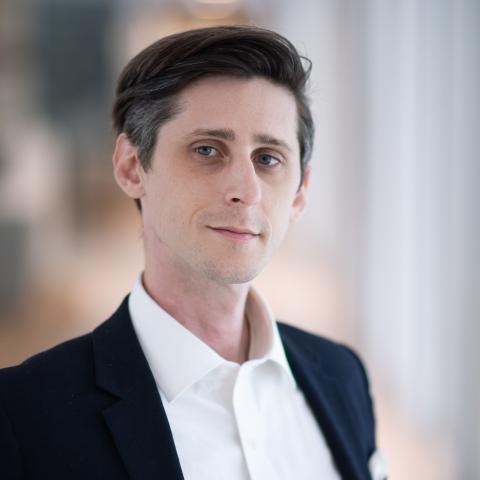
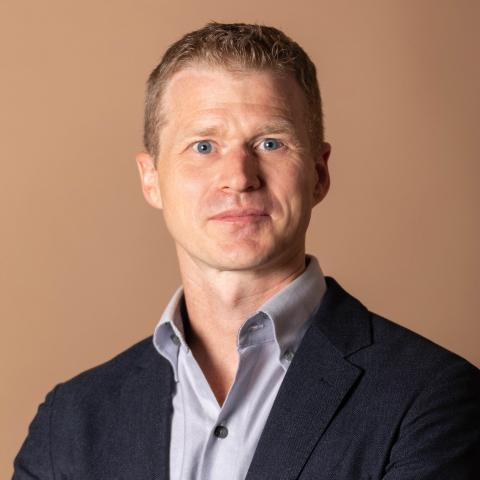
Speakers:
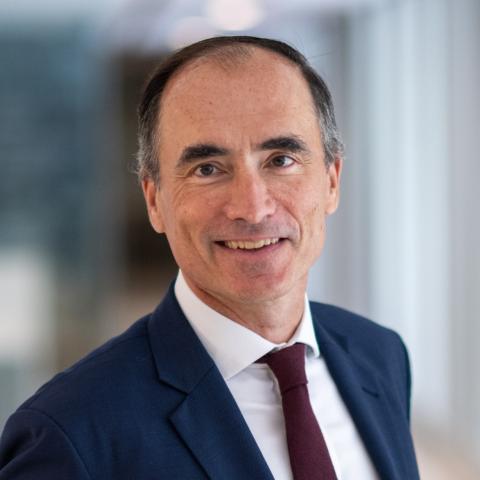
Tevi Troy

Hudson Senior Fellow

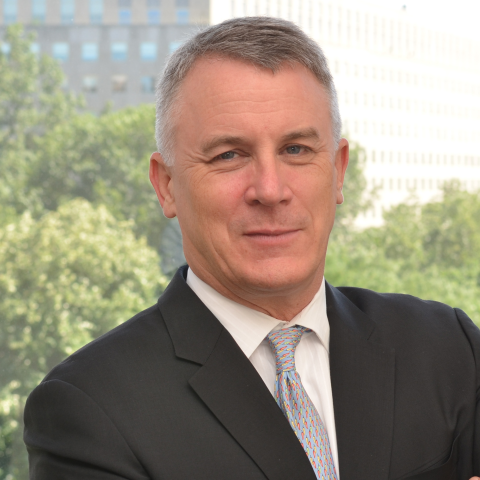
Hanns Kuttner

Hudson Visiting Fellow

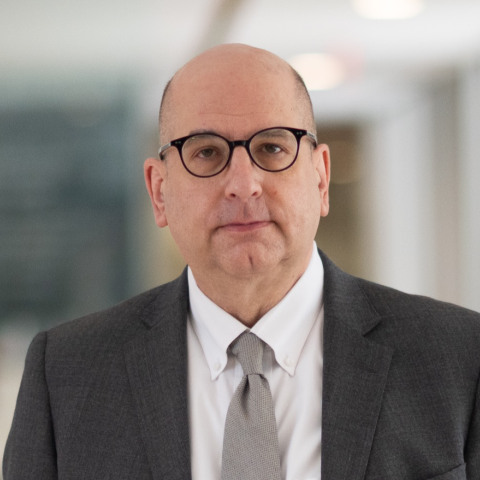
Michael Leavitt

Chairman of Leavitt Partners, former Governer of Utah and Secretary of HHS

Doug Badger

Partner, The Nickles Group

Mary Grealy

President, Healthcare Leadership Council

James Capretta

Fellow, Ethics and Public Policy Center

Jack Hoadley

Research Professor, Georgetown University Health Policy Institute

Five years ago, in 2006, the U.S. Department of Health and Human Services (HHS) implemented the Medicare Part D program, which had become law in 2003. The 2006 implementation opened a heated debate, both on the merits of the original legislation as well as its implementation. There were wildly divergent projections on the program's overall cost and potential savings to seniors.

In response, the Bush White House and then-HHS Secretary Michael Leavitt engineered a major effort designed at countering numerous concerns, most importantly, would beneficiaries enroll? How would beneficiaries manage the process of assessing which plan best served their needs?

Five years into Part D's implementation, we have some answers to these questions. Today, as the U.S. government is in the midst of implementing a new, even more controversial health care law—and the nation faces growing fiscal constraints—the Part D program merits re-examination.

Further Reading

Medicare Part D Drug Benefit, edited by Tevi Troy and Hanns Kuttner (Hudson Institute, December 2011)

Related Events
20
November 2026
Past Event
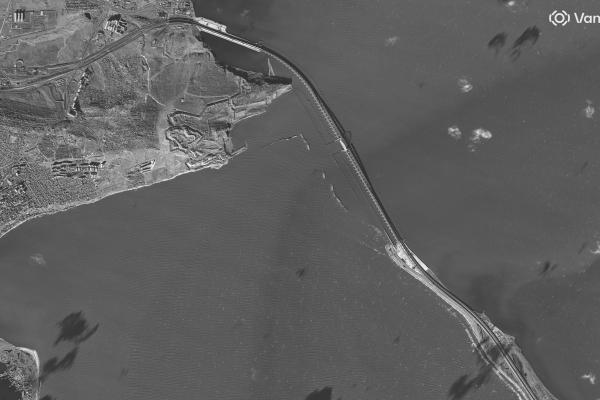
After the Kerch Bridge: What Ukraine’s Strike Means for the War
Featured Speakers:
Can Kasapoğlu
Lieutenant General (Ret.) Ben Hodges
Luke Coffey
Kerch Bridge
20
November 2026
Past Event
After the Kerch Bridge: What Ukraine’s Strike Means for the War

Join Hudson Institute for a discussion about Ukraine’s successful attack and its potential impact on the battlefield with Lieutenant General (Ret.) Ben Hodges, former commanding general of US Army Europe, and Senior Fellow Can Kasapoğlu.

Kerch Bridge
Featured Speakers:
Can Kasapoğlu
Lieutenant General (Ret.) Ben Hodges
Luke Coffey
30
November 2026
In-Person Event | Hudson Institute
Azerbaijan and the New American Strategy for Eurasia
Featured Speakers:
Can Kasapoğlu
Michael Doran
Ken Moriyasu
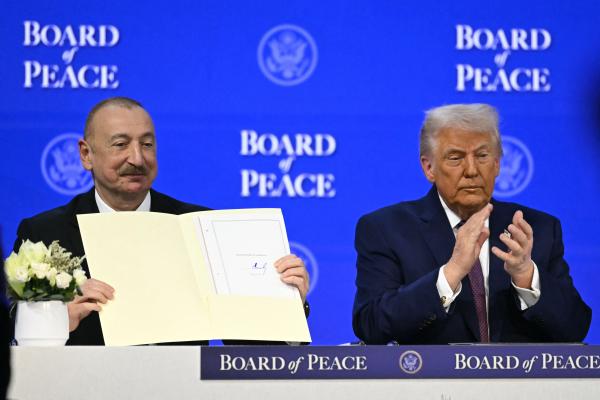
Aliyev
30
November 2026
In-Person Event | Hudson Institute
Azerbaijan and the New American Strategy for Eurasia

Join Hudson Institute for a conversation that examines Washington’s relationship with Azerbaijan.

Aliyev
Featured Speakers:
Can Kasapoğlu
Michael Doran
Ken Moriyasu
02
December 2026
In-Person Event | Invite Only
Fukuyama Was Wrong: He Missed the Challenge of Post-Democracy and Post-Liberalism
Featured Speakers:
John Fonte
Tony Abbott
Daniel McCarthy
Tom Klingenstein
Anna Wellisz
Jonathan Price
Gadi Taub
Todd Huizinga
John O'Sullivan
Mark Krikorian
Stanley Kurtz
Michael Doran
Sunrise
02
December 2026
In-Person Event | Invite Only
Fukuyama Was Wrong: He Missed the Challenge of Post-Democracy and Post-Liberalism

A conference reflecting on John Fonte’s work and the future of liberal democracy
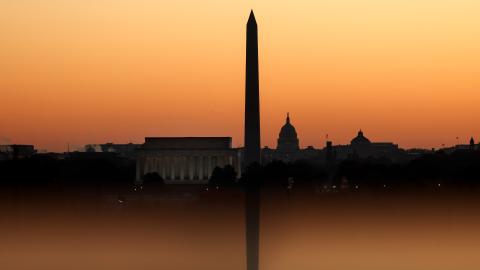
Sunrise
Featured Speakers:
John Fonte
Tony Abbott
Daniel McCarthy
Tom Klingenstein
Anna Wellisz
Jonathan Price
Gadi Taub
Todd Huizinga
John O'Sullivan
Mark Krikorian
Stanley Kurtz
Michael Doran
02 - 03
December 2026
In-Person Event | Invitation Only
Second Annual US-China Rivalry in the Middle East Conference
Featured Speakers:
Zineb Riboua
Joel Scanlon
Can Kasapoğlu
Michael Doran
Chaim Martin
Ryan Fedasiuk
Moderators:
Ludovic Hood
Aaron MacLean
(US-China Rivalry in the Middle East logo)
02 - 03
December 2026
In-Person Event | Invitation Only
Second Annual US-China Rivalry in the Middle East Conference

Join Hudson to examine how the war with Iran, the rise of emerging technologies, and China's expanding influence are reshaping the Middle East, and what the United States must do to secure its strategic and technological leadership in the region and beyond.

(US-China Rivalry in the Middle East logo)
Featured Speakers:
Zineb Riboua
Joel Scanlon
Can Kasapoğlu
Michael Doran
Chaim Martin
Ryan Fedasiuk
Moderators:
Ludovic Hood
Aaron MacLean