Caption
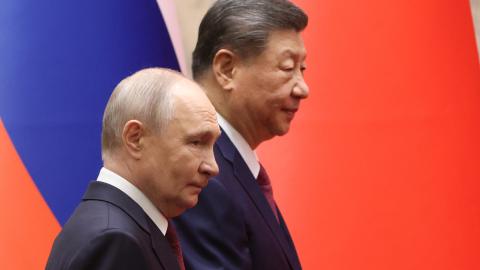
Russian President Vladimir Putin and Chinese President Xi Jinping enter the hall during a signing ceremony on May 20, 2026, in Beijing, China. (Getty Images)

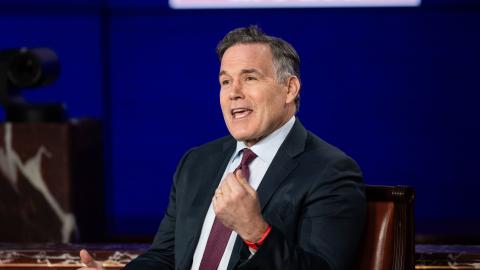

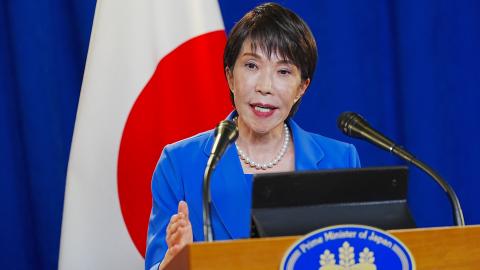
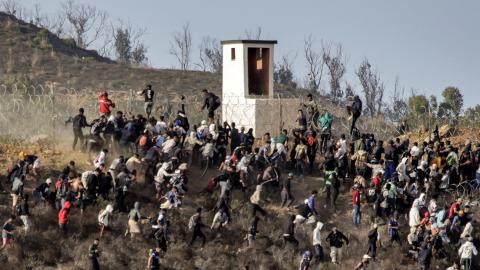

Tensions are mounting among members of the Gulf Cooperation Council and, at the same time, Saudi Arabia has found itself at the center of a controversy over its recent succession restructuring. While the Trump administration is keen to restore Saudi Arabia to its traditional key position in Middle East policy, the Kingdom is facing a host of serious issues, domestic and foreign.
Is Saudi Arabia headed for stability or turmoil? When King Salman named his son, Mohammed Bin Salman, crown prince in June, Riyadh seemed to be ensuring a degree of political stability not seen in the kingdom perhaps since its founding. However, a recent flood of news stories suggests that the transition was not as smooth as initially portrayed, with the younger Mohammed Bin Salman forcing out his 57-year-old cousin, Mohammed Bin Nayef, who is well respected at home and here in the United States.
Although Mohammed Bin Salman has already begun to implement his vision of a Saudi future keyed to the rising generation, there is continued conflict with Iran and its proxies both in Syria and, more vital to Saudi interests, across the border in Yemen. Separately, the unresolved conflict with Qatar presents trouble closer to home. A fellow member of the GCC, Qatar has frequently played the spoiler with Saudi Arabia by sheltering and supporting Islamic extremists and cozying up to Iran.
The Trump administration needs a stable Gulf region to sustain and advance American interests and those of its allies. What does the future of the region hold for Saudi Arabia and the United States? What role should the Trump administration be playing with its regional partners in the GCC?
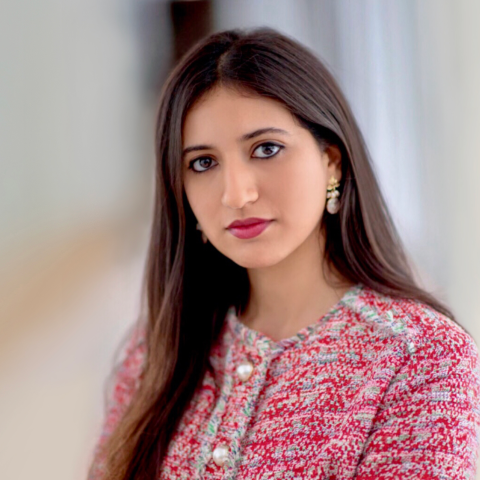
On July 25, Hudson hosted a timely lunchtime panel discussion on these important issues. Panelists included Mohammed Alyahya, Fatimah S. Baeshen, and Hudson Adjunct Fellow Michael Pregent. Hudson Senior Fellow Lee Smith moderated the conversation.
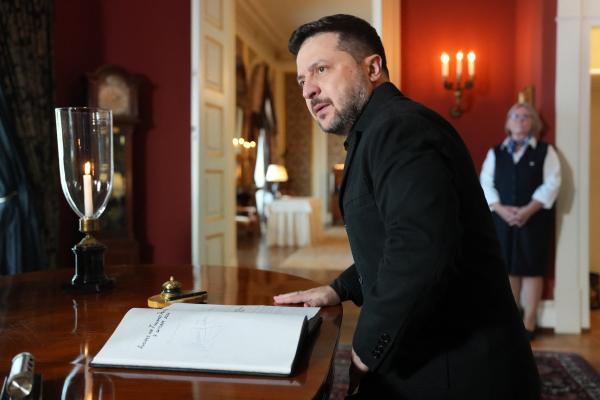
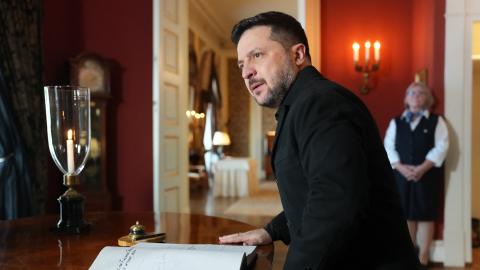
Please join Hudson Institute for a special address on the current state-of-play by Ukrainian President Volodymyr Zelenskyy, who will join remotely, followed by a question-and-answer session on the war with Hudson Institute President and CEO John Walters.
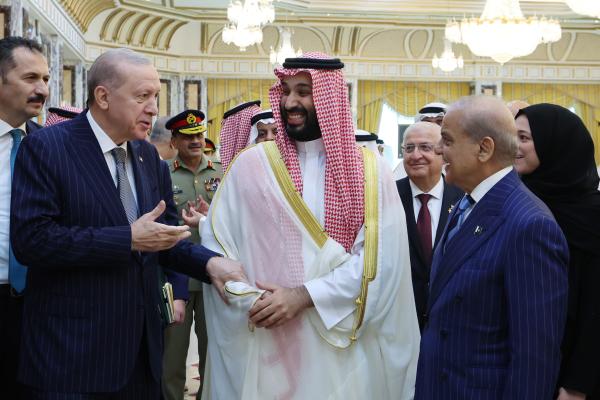
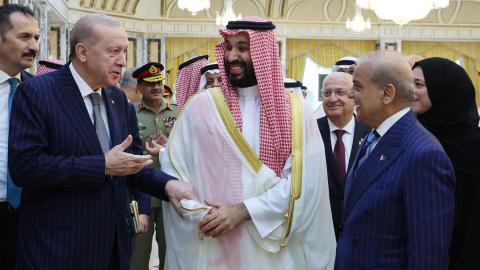
Join Hudson Institute Senior Fellow Ken Moriyasu for a panel with Chaim Martin, Israel’s minister of economic affairs to the United States; Aslı Aydıntaşbaş of the Brookings Institution; Soner Cagaptay of the Washington Institute; and Director of the Center for Peace and Security in the Middle East Michael Doran as they examine the logic behind each framework and what their rivalry means for US policy.
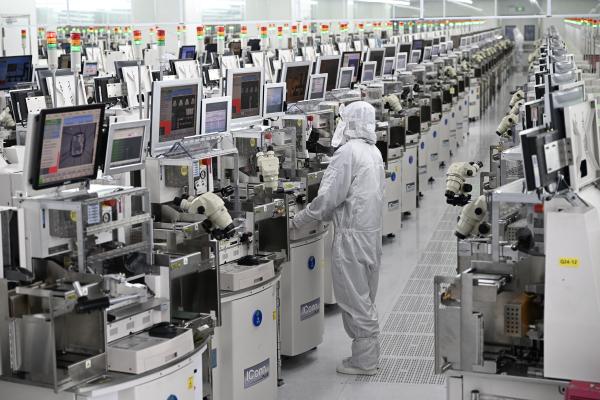
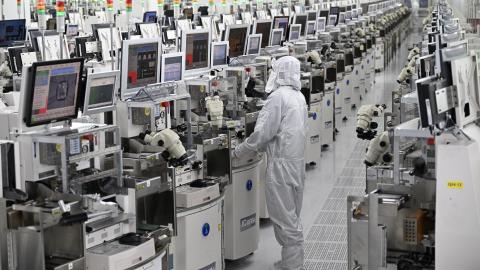
Bill Frauenhofer, executive director for semiconductor investment and innovation at the US Department of Commerce, will join Hudson Institute Senior Fellow David Feith for an invitation-only fireside chat on semiconductor onshoring and the role of government capital in strengthening America’s technological and industrial leadership.
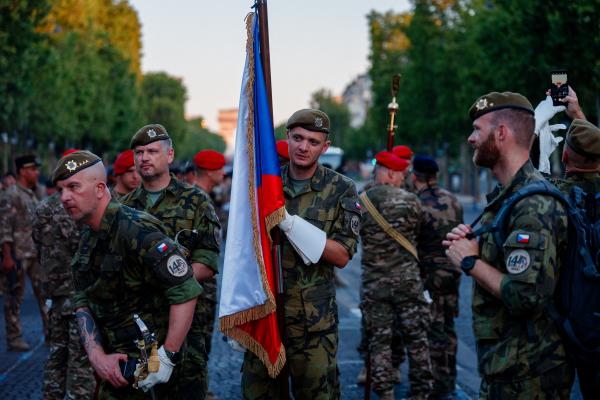
Hudson welcomes Karel Řehka, former chief of the General Staff of the Czech Armed Forces, to discuss the changing security environment in Europe and its implications for the Czech Republic, the North Atlantic Treaty Organization, and the transatlantic alliance.