16
November 2017
Past Event
India and China after the Doklam Standoff

India and China after the Doklam Standoff

Past Event
Hudson Institute, Washington, D.C. Headquarters
November 16, 2017
An Indian soldier and his Chinese counterpart at a ceremony marking the re-opening of the China-India border, July 6, 2006 (DESHAKALYAN CHOWDHURY/AFP/Getty Images)
Caption
An Indian soldier and his Chinese counterpart at a ceremony marking the re-opening of the China-India border, July 6, 2006 (DESHAKALYAN CHOWDHURY/AFP/Getty Images)
16
November 2017
Past Event

1201 Pennsylvania Avenue, N.W., Suite 400
Washington, DC 20004

Speakers:
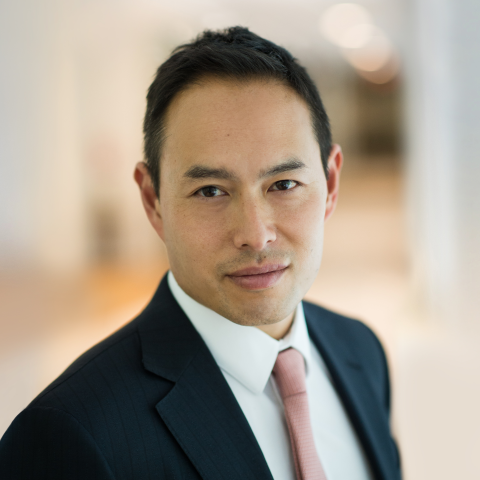
Manoj Joshi

Distinguished Fellow, Observer Research Foundation

aparna_pande
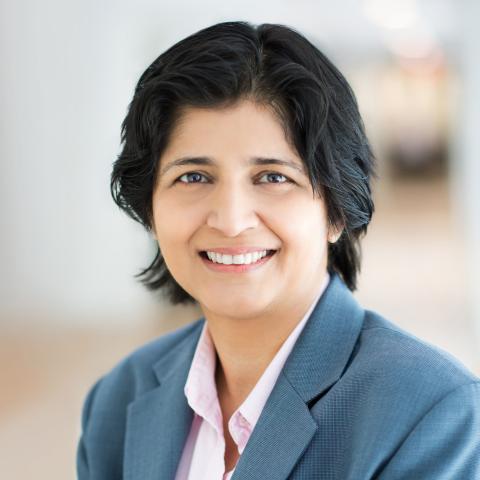
Aparna Pande

Senior Fellow

This summer, China’s attempt to extend a road through the Doklam plateau, a disputed area near the borders of China, India, and Bhutan, led to an eight-week-long standoff between two of the most powerful countries in Asia. Despite $70 billion trade ties, China and India continue to view each other as adversaries. Numerous incursions and military standoffs have occurred across their 2,500 mile-long shared border. The deepening India-U.S. relationship is a source of concern in Beijing, while New Delhi and Washington are increasingly wary of close Sino-Pakistan ties, especially the China Pakistan Economic Corridor (CPEC).

On November 16, Hudson Institute’s South and Central Asia Program hosted a discussion on India-China relations with Dr. Manoj Joshi, a distinguished fellow with the Observer Research Foundation in New Delhi, and Dr. Aparna Pande, a research fellow and director of Hudson Institute's Initiative on the Future of India and South Asia.

Related Events
15
June 2026
Past Event
The Code as Witness: COVID Origins, Scientific Accountability, and Preventing the Next Pandemic
Featured Speakers:
John P. Walters
Steven Quay
Senator Roger Marshall
David Asher
Getty Images
15
June 2026
Past Event
The Code as Witness: COVID Origins, Scientific Accountability, and Preventing the Next Pandemic

Join Hudson as David Asher sits down with Dr. Quay for a fireside chat. Senator Roger Marshall, who has been a leading voice for stronger oversight of high-risk biological research, will open the program by framing the stakes for Congress, national security, and public health.

Getty Images
Featured Speakers:
John P. Walters
Steven Quay
Senator Roger Marshall
David Asher
16
June 2026
In-Person Event | Hudson Institute
The Annual Czech and Slovak Freedom Lecture
Featured Speakers:
Joel Scanlon
Amb. Andrej Droba
Matthew Boyse
Getty Images
16
June 2026
In-Person Event | Hudson Institute
The Annual Czech and Slovak Freedom Lecture

Hudson Institute is pleased to host the 2026 annual Czech and Slovak Freedom Lecture.  

Getty Images
Featured Speakers:
Joel Scanlon
Amb. Andrej Droba
Matthew Boyse
18
June 2026
In-Person Event | Hudson Institute
Deterring Russia and China: Securing America’s Nuclear Future
Featured Speakers:
Rebeccah L. Heinrichs
Brandon Williams
Getty Images
18
June 2026
In-Person Event | Hudson Institute
Deterring Russia and China: Securing America’s Nuclear Future

Join Senior Fellow and Keystone Defense Initiative Director Dr. Rebeccah Heinrichs and Administrator of the National Nuclear Security Administration Brandon Williams for a discussion on the administration's priorities in strengthening the US nuclear enterprise.

Getty Images
Featured Speakers:
Rebeccah L. Heinrichs
Brandon Williams
15
June 2026
Past Event
How to Transform the Japan Self-Defense Force for Twenty-First-Century Deterrence
Featured Speakers:
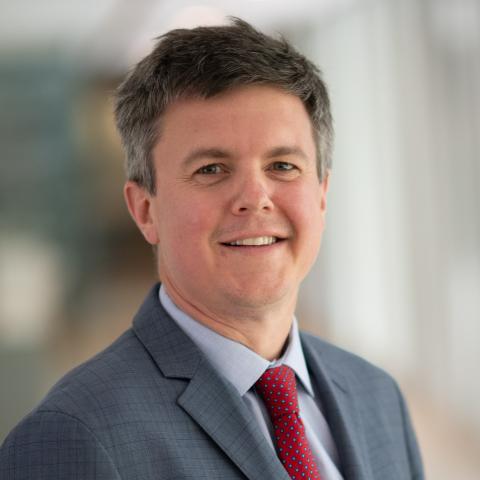
David Byrd
Bryan Clark
Moderator:
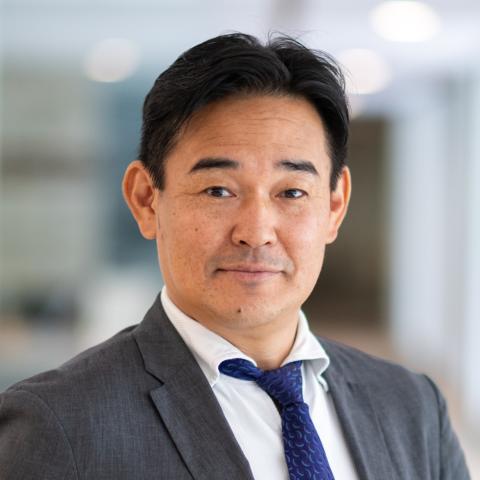
Masashi Murano
A member of the Philippine Navy looks out at as the Japan Maritime Self-Defense Force destroyer JS Takanami during a joint maritime exercise in the South China Sea on June 14, 2025. (Getty Images)

15
June 2026
Past Event
How to Transform the Japan Self-Defense Force for Twenty-First-Century Deterrence

Join report authors Bryan Clark and David Byrd, in conversation with Masashi Murano, for a discussion of the report's principal findings and their implications for how Japan should design and resource its future defense force.

A member of the Philippine Navy looks out at as the Japan Maritime Self-Defense Force destroyer JS Takanami during a joint maritime exercise in the South China Sea on June 14, 2025. (Getty Images)

Featured Speakers:
David Byrd
Bryan Clark
Moderator:
Masashi Murano