20
November 2017
Past Event
Is Lebanon Saudi Arabia's New Zone of Confrontation with Iran?

Is Lebanon Saudi Arabia's New Zone of Confrontation with Iran?

Past Event
Hudson Institute, Washington, D.C. Headquarters
November 20, 2017
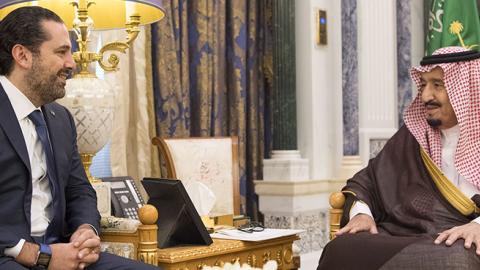
Saudi King Salman receives former Lebanese Prime Minister Saad Hariri, who resigned recently, in Riyadh, November 6, 2017 (Bandar Algaloud / Saudi Royal Council / Handout/Anadolu Agency/Getty Images)
Caption
Saudi King Salman receives former Lebanese Prime Minister Saad Hariri, who resigned recently, in Riyadh, November 6, 2017 (Bandar Algaloud / Saudi Royal Council / Handout/Anadolu Agency/Getty Images)
20
November 2017
Past Event

1201 Pennsylvania Avenue, N.W., Suite 400
Washington, DC 20004

Speakers:
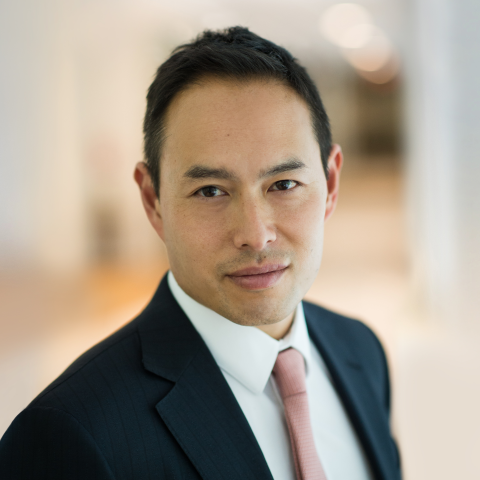
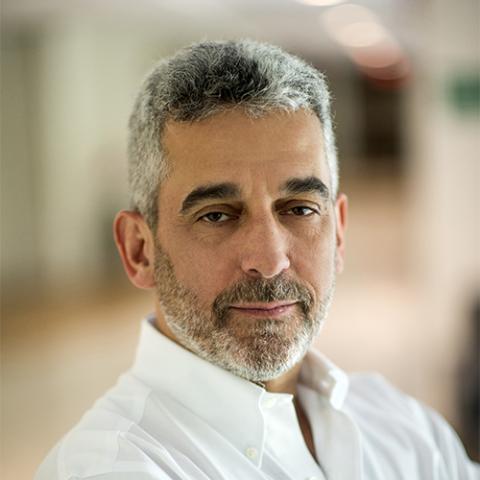
Lee Smith

Former Senior Fellow

michael_doran
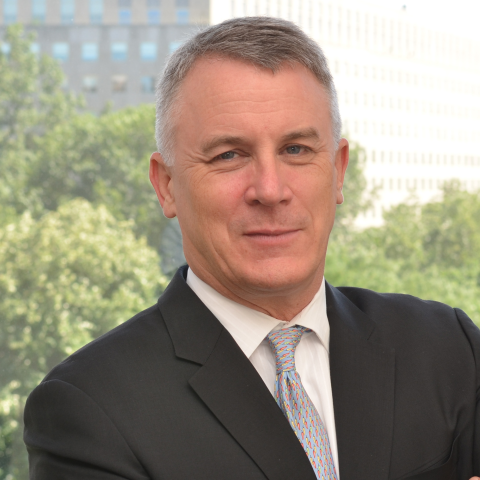
Michael Doran

Senior Fellow and Director, Center for Peace and Security in the Middle East

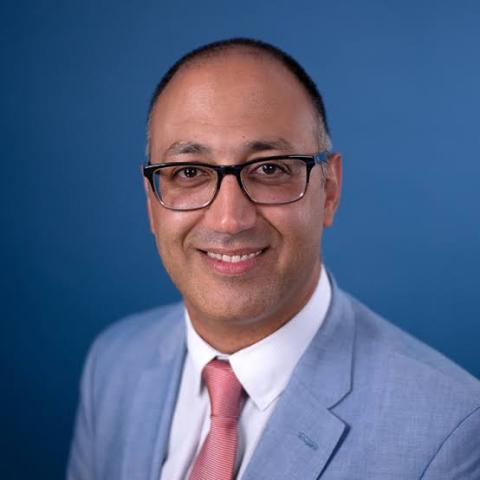
Mohammed Alyahya

Nonresident Fellow, Rafik Hariri Center for the Middle East, Atlantic Council

Tony Badran
Tony Badran

News Editor, Tablet

Under the new leadership of 32-year-old Crown Prince Mohammed bin Salman, Saudi Arabia has found itself in the middle of a storm generated by internal opponents to his rule, the country’s foreign adversaries, and partly by the young ruler himself. Earlier in November, Saudi air defenses intercepted a missile fired at Riyadh by Iranian-backed Houthi rebels. On the same day, Saudi authorities arrested dozens of senior figures, including well-connected royals like Prince Walid Bin Talal, on corruption charges and Lebanese Prime Minister Saad Hariri, while traveling in Riyadh, announced his resignation and denounced Iran’s long arm in Lebanon, Hezbollah. Saudi officials followed Hariri’s statement with warnings of their own, explaining that as long as Lebanon was controlled by Hezbollah, it would be treated as an enemy.

Is Lebanon Saudi Arabia’s newest regional theater of conflict with Iran, after Yemen and Syria? What’s the Crown Prince’s next move? What does it mean for Lebanon if Hezbollah’s base of operations is now a potential conflict zone? And how is the Trump administration managing its regional partners and the larger strategic picture in the Middle East?

On November 20, Hudson Institute held an important and timely lunchtime panel discussion moderated by Lee Smith, and featuring Michael Doran, Mohammed Alyahya, and Tony Badran.

Related Events
11
May 2026
In-Person Event | Hudson Institute
Defending Taiwan: A Strategy to Prevent War with China
Featured Speakers:
Eyck Freymann
Jason Hsu
Getty Images
11
May 2026
In-Person Event | Hudson Institute
Defending Taiwan: A Strategy to Prevent War with China

With Jason Hsu, Freymann will discuss how the United States and its partners can adapt to China’s evolving strategy and develop a coherent plan to prevent conflict while safeguarding Taiwan’s future.

Getty Images
Featured Speakers:
Eyck Freymann
Jason Hsu
12
May 2026
In-Person Event | Hudson Institute
China’s Persecution: Assault on All Faiths
Featured Speakers:
Sam Brownback
Hon. Frank Wolf
Michael Arkush
Mihrigul Tursun
Arjia Rinpoche
Frances Hui
Wang Chunyan
Pastor Pan Yongguang
Peter Xu
Enes Freedom
Pastor Corey Jackson
Grace Jin Drexel
Moderator:
Nina Shea
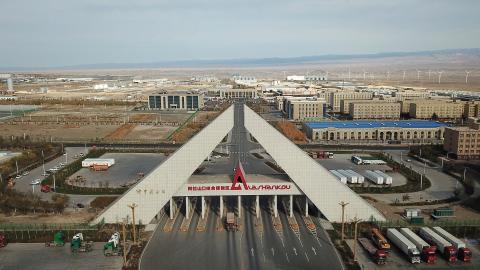
This picture taken on July 19, 2023 shows a view of a watchtower of an alleged detention facility in Artux in Kizilsu Prefecture in China's northwestern Xinjiang region. Since 2017, more than a million Uyghurs and other Muslims have been swept into internment camps where human rights abuses are commonplace, researchers, campaigners and members of the diaspora say. Beijing says the facilities were voluntary centres for teaching vocational skills, closed years ago after their inhabitants "graduated" into stab
12
May 2026
In-Person Event | Hudson Institute
China’s Persecution: Assault on All Faiths

To address these concerns, former senator Sam Brownback, who served as ambassador at large for international religious freedom in the first Trump administration, will join Senior Fellow Nina Shea to propose new policies for the US government and actions for the American public. 

This picture taken on July 19, 2023 shows a view of a watchtower of an alleged detention facility in Artux in Kizilsu Prefecture in China's northwestern Xinjiang region. Since 2017, more than a million Uyghurs and other Muslims have been swept into internment camps where human rights abuses are commonplace, researchers, campaigners and members of the diaspora say. Beijing says the facilities were voluntary centres for teaching vocational skills, closed years ago after their inhabitants "graduated" into stab
Featured Speakers:
Sam Brownback
Hon. Frank Wolf
Michael Arkush
Mihrigul Tursun
Arjia Rinpoche
Frances Hui
Wang Chunyan
Pastor Pan Yongguang
Peter Xu
Enes Freedom
Pastor Corey Jackson
Grace Jin Drexel
Moderator:
Nina Shea
19
May 2026
In-Person Event | Invite Only
Environmental Agendas, Geopolitical Ends: Climate Policy and Great Power Competition
Featured Speakers:
Michael Doran
Zineb Riboua
Brenda Shaffer
Sam Cooper
Getty Images
19
May 2026
In-Person Event | Invite Only
Environmental Agendas, Geopolitical Ends: Climate Policy and Great Power Competition

To examine this emerging challenge, Senior Fellow Dr. Michael Doran will convene a conversation with Research Fellow Zineb Riboua, Professor Brenda Shaffer—Research Faculty Member at the US Naval Postgraduate School and Senior Fellow at the Atlantic Council—and Sam Cooper, an award-winning investigative journalist focusing on China-Canada relations.

Getty Images
Featured Speakers:
Michael Doran
Zineb Riboua
Brenda Shaffer
Sam Cooper
20
May 2026
In-Person Event | Invite Only
A Conversation with Under Secretary of State for Public Diplomacy of the United States, Sarah B. Rogers
Featured Speakers:
Sarah B. Rogers
Zineb Riboua
Getty Images
20
May 2026
In-Person Event | Invite Only
A Conversation with Under Secretary of State for Public Diplomacy of the United States, Sarah B. Rogers

Please join the Hudson Institute for a conversation with Under Secretary of State for Public Diplomacy Sarah B. Rogers and Hudson Research Fellow Zineb Riboua on how the United States is adapting its public diplomacy tools to advance its interests abroad, counter censorship, promote free speech, and leverage artificial intelligence to deliver more effective, targeted messaging.

Getty Images
Featured Speakers:
Sarah B. Rogers
Zineb Riboua