05
September 2018
Past Event
The Costs of the China-Pakistan Economic Corridor

The Costs of the China-Pakistan Economic Corridor

Past Event
Hudson Institute, Washington, D.C. Headquarters
September 05, 2018
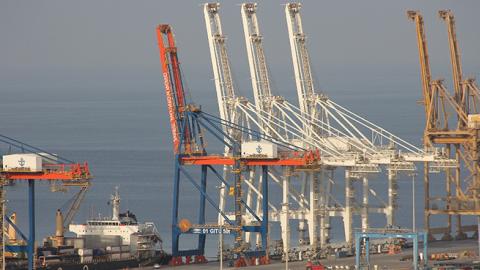
The port of Gwadar in Baluchsitan, Pakistan, October 3, 2017
Caption
The port of Gwadar in Baluchsitan, Pakistan, October 3, 2017
05
September 2018
Past Event

1201 Pennsylvania Avenue, N.W., Suite 400
Washington, DC 20004
Speakers:
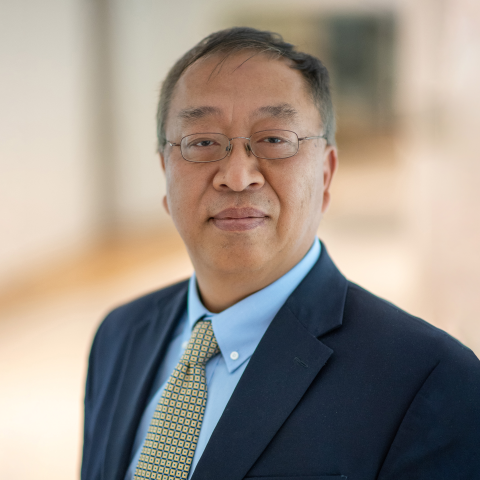
Hermann Kreutzmann

Professor of Human Geography, Freie Universität Berlin

Eric Brown

Senior Fellow, Hudson Institute

The ongoing construction of the multibillion dollar China-Pakistan Economic Corridor (CPEC) is hailed in both Islamabad and Beijing as a strategic “game changer” and an economic boon for the people of Pakistan. Over the last three years, however, the mammoth infrastructure initiative has generated growing criticism inside Pakistan for its lack of transparency, the limited inclusion of Pakistani workers and businesses, and its adverse effects on the country’s long-term stabilization and sovereignty. Meanwhile, anti-CPEC discontent in the troubled areas of Balochistan and Gilgit-Baltistan has been harshly suppressed by Pakistani security services.

Who in Pakistan has benefited from CPEC, and who has been left out? What are the human and political costs of CPEC, particularly in the minority areas of Gilgit-Baltistan and Balochistan? What will the People’s Republic of China’s growing presence in the country mean for Pakistani sovereignty and prosperity, and how can we expect the new government in Islamabad to respond?

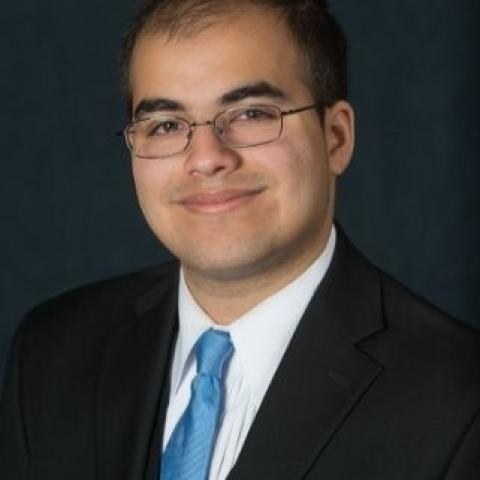
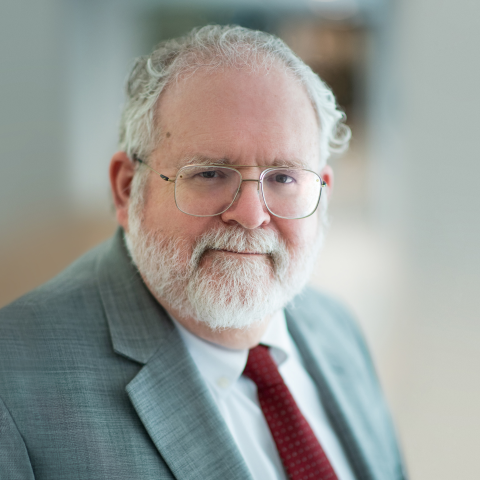
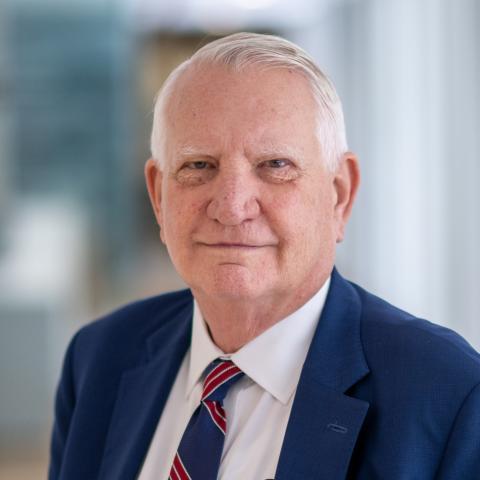
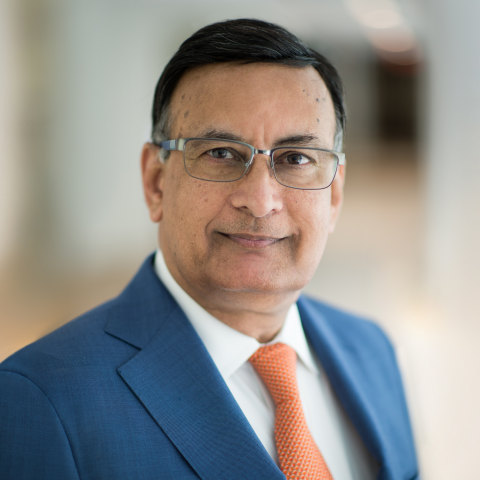
On September 5, Hudson Institute hosted a panel to discuss CPEC and the evolving relationship between China and Pakistan. Panelists included Hermann Kreutzmann, Professor of Human Geography at Freie Universität Berlin and Hudson Institute Senior Fellow Ambassador Husain Haqqani. The panel was moderated by Hudson Senior Fellow Eric Brown.

To view Professor Kreutzmann's slides, click here.
Related Events
30
November 2026
In-Person Event | Hudson Institute
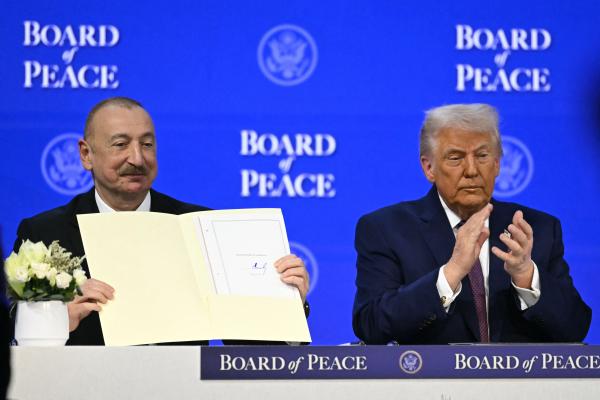
Azerbaijan and the New American Strategy for Eurasia
Featured Speakers:
Can Kasapoğlu
Michael Doran
Ken Moriyasu
Aliyev
30
November 2026
In-Person Event | Hudson Institute
Azerbaijan and the New American Strategy for Eurasia

Join Hudson Institute for a conversation that examines Washington’s relationship with Azerbaijan.

Aliyev
Featured Speakers:
Can Kasapoğlu
Michael Doran
Ken Moriyasu
30
November 2026
Virtual Event | Online Only
Commanding the Autonomous Battlefield
Featured Speakers:
Gokul Subramanian
Bryan Clark
Drones
30
November 2026
Virtual Event | Online Only
Commanding the Autonomous Battlefield

Join Bryan Clark and Anduril Senior Vice President for Technology Gokul Subramanian for a conversation about the future of military command-and-control concepts and technologies.
Drones
Featured Speakers:
Gokul Subramanian
Bryan Clark
02
December 2026
In-Person Event | Invite Only
Fukuyama Was Wrong: He Missed the Challenge of Post-Democracy and Post-Liberalism
Featured Speakers:
John Fonte
Tony Abbott
Daniel McCarthy
Tom Klingenstein
Anna Wellisz
Jonathan Price
Gadi Taub
Todd Huizinga
John O'Sullivan
Mark Krikorian
Stanley Kurtz
Michael Doran
Sunrise
02
December 2026
In-Person Event | Invite Only
Fukuyama Was Wrong: He Missed the Challenge of Post-Democracy and Post-Liberalism

A conference reflecting on John Fonte’s work and the future of liberal democracy
Sunrise
Featured Speakers:
John Fonte
Tony Abbott
Daniel McCarthy
Tom Klingenstein
Anna Wellisz
Jonathan Price
Gadi Taub
Todd Huizinga
John O'Sullivan
Mark Krikorian
Stanley Kurtz
Michael Doran
02 - 03
December 2026
In-Person Event | Invitation Only
Second Annual US-China Rivalry in the Middle East Conference
Featured Speakers:
Zineb Riboua
Joel Scanlon
Can Kasapoğlu
Michael Doran
Chaim Martin
Ryan Fedasiuk
Moderators:
Ludovic Hood
Aaron MacLean
(US-China Rivalry in the Middle East logo)
02 - 03
December 2026
In-Person Event | Invitation Only
Second Annual US-China Rivalry in the Middle East Conference

Join Hudson to examine how the war with Iran, the rise of emerging technologies, and China's expanding influence are reshaping the Middle East, and what the United States must do to secure its strategic and technological leadership in the region and beyond.
(US-China Rivalry in the Middle East logo)
Featured Speakers:
Zineb Riboua
Joel Scanlon
Can Kasapoğlu
Michael Doran
Chaim Martin
Ryan Fedasiuk
Moderators:
Ludovic Hood
Aaron MacLean