Caption
US sailors conduct routine maintenance on a jet blast deflector on the flight deck of the Nimitz-class aircraft carrier USS Nimitz on July 9, 2025. (US Navy)



After a landslide electoral victory in February and a successful trip to Washington in March, Japanese Prime Minister Sanae Takaichi is poised to introduce an energetic economic and security policy agenda. Recent developments, such as the conflict with Iran, have created new energy and security challenges, yet the strong US-Japan relationship remains constant.
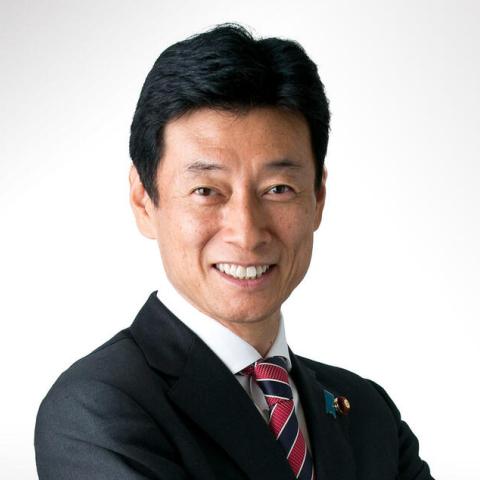
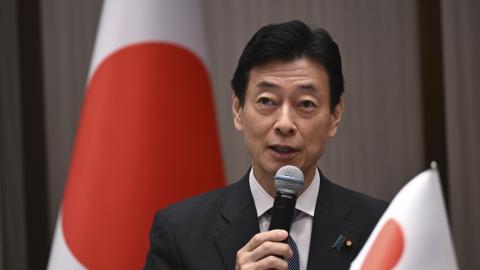
On May 6, Hudson Japan Chair Kenneth R. Weinstein will welcome Yasutoshi Nishimura, former head of Japan’s Ministry of Economy, Trade and Industry (METI) to Hudson. Minister Nishimura will give remarks concerning the prime minister's successful March visit to Washington, her economic and diplomatic policies, and how Japan is responding to energy security challenges stemming from the Middle East. After a fireside chat between Minister Nishimura and Dr. Weinstein, the event will conclude with an audience Q&A.
Listen on Spotify and Apple Podcasts.
Transcripts of Hon. Shigeru Kitamura's Speech in English and Japanese
English
1. Introduction
Dr. Weinstein, thank you very much for your kind introduction. I am sincerely grateful for the invitation to be here today.
To tell the truth, I had been scheduled to deliver a speech here this past January.
However, an election was called on short notice, and regrettably, I had no choice but to cancel.
As a result of that election, we, the Liberal Democratic Party, was entrusted by the people of Japan with the largest number of seats in constitutional history.
In these turbulent times, we devote our utmost efforts—both domestically and diplomatically—to make “the Japanese archipelago stronger and more prosperous.”
After the election, I was appointed the heavy responsibility of Chairperson of the LDP’s Election Strategy Committee. That said, the reason I am here today is not related to election strategy.
I am here at the Hudson Institute to once again convey to you the importance of cooperation between Japan and the United States—our allied nations across the Pacific Ocean—amid an increasingly complex international environment.
Here, the Hudson Institute is a special place for me personally.
In 2013, former Prime Minister Shinzo Abe—my deeply respected mentor in politics—became the first non-American to receive the Herman Kahn Award here.
Prime Minister Abe had only just launched his second administration at the end of previous year, yet the Hudson Institute was quick to recognize his significance. That recognition gave both the Abe administration and Prime Minister Abe himself enormous confidence and became a driving force for subsequent policy implementation.
At the time, not only Prime Minister Abe but I myself was deeply moved when we saw the distinguished list of past recipients, including President Ronald Reagan, Vice President Dick Cheney, and Secretaries of State Henry Kissinger and George Shultz.
Speaking here today, at the Hudson Institute—a place of such personal significance to me—is a joy I am certain I will cherish for the rest of my life.
In September 2013, on the occasion of receiving the Herman Kahn Award, Prime Minister Abe delivered a speech at the Pierre Hotel in New York on rebuilding the Japanese economy through the “three arrows” of Abenomics, as well as on security initiatives based on the principle of Proactive Contribution to Peace.
Thirteen years have already passed since then.
2. Technological Evolution
There is no doubt that the world has changed dramatically over these past thirteen years. A prime example of such change is progress in science and technology, particularly AI.
In 2007, Apple released the first-generation iPhone, and around thirteen years ago, Siri was introduced into iPhone.
In a news article from thirteen years ago, Siri’s new feature—“being able to change screen brightness by giving instructions to Siri”—was described as a groundbreaking innovation.
At that time, few people believed that Siri, which could barely carry on a conversation, would dramatically improve our daily lives.
Yet today, with the debut of generative AI, AI services—including Siri—have greatly increased human productivity and enriched our daily lives. AI have become forces that determine a nation’s industrial competitiveness.
In Japan, various initiatives are underway.
President Morita of NEC has introduced his own “clone AI” within the company. NEC employees can consult with the AI version of the busy president multiple times with ease, without having to catch him in person, resulting in a dramatic improvement in operational efficiency.
At Toyota Motor Corporation, the development of the AI version of Chairman Akio Toyoda is progressing. This AI, trained with approximately seven years of the chairman’s statements, is being utilized by senior executives.
Such initiatives not only improve corporate performance, but they may also help bring about social advancement by unraveling the decision-making mechanisms of leading executives of our era.
Once “AI Nishimura” is completed, I would like to introduce him to all of you gathered today.
Maybe he would be the one on this podium next time…That said, if I myself do not continue to grow, the AI will quickly catch up and surpass me. This could be my renewed motivation for daily work.
Just before coming to Washington, D.C., I visited Silicon Valley—the holy land of innovation. The pace of evolution in the United States is astonishing. In addition to AI software development, I witnessed firsthand the fields of “physical AI”—where AI is applied to real-world applications such as robotics and autonomous driving.
In Silicon Valley, Man, Money, Materials are being intensively invested toward technological advancement. I strongly felt that this dynamism is the driving force behind innovations that astonish the world. However, there is another crucial factor that makes the United States the world’s leading innovation powerhouse.
Politics supports the “dynamism of innovation.”
The One Big Beautiful Bill (OBBB), enacted last year, is a prime example. The OBBB includes incentives such as immediate expensing of capital investments and various tax reductions, greatly enhancing the attractiveness of the U.S. business environment and creating a powerful driving force for companies to locate and invest in the United States.
Through my visit to Silicon Valley, I renewed my determination to implement bold policies that bring this American dynamism to Japan as well.
3. Changes Over These Thirteen Years
Let us return to the changes that have occurred over these past thirteen years.
The many events that have unfolded around the world have made us acutely aware that the free, open, and stable international order—built primarily under U.S. leadership after World War II—now faces new challenges.
An unknown infectious disease swept the globe and claimed five million lives. Who could have imagined tents for vaccination being set up in Times Square?
The supply disruptions triggered by COVID-19 also exposed the vulnerability of supply chains built under the free trade system—namely, the overdependence on specific countries.
I have vivid memories of the struggles Japan faced when I was the Minister in charge of COVID-19 related policies.
Russia’s invasion of Ukraine is a grave challenge to international peace and prosperity.
It has led to renewed recognition of the importance of deterring conflicts and war before they occur.
From this perspective as well, Iran’s development of nuclear weapons cannot be tolerated.
Japan will continue to make every necessary diplomatic effort, in coordination with the international community, to resolve issues surrounding Iran, including the nuclear problem.
As inter-state competition has intensified, grown more complex, and become the norm,
the “free, open, and stable international order” we have long been accustomed to is now wavering.
To safeguard global peace and prosperity, it is no longer enough to merely proclaim the importance of values—we must take proactive action.
4. Toward the Realization of a “Strong Economy”
First and foremost, under the Takaichi administration, Japan will build a “strong economy” and solidify the foundation of national strength, which is crucial for Japan to proactively contribute to global peace and prosperity.
The key to restoring a strong economy lies in three “Rs”: Rapid, R&D, and Resilience. The first R is for Rapid.
In strategic technology fields such as AI, semiconductors, quantum computing, and biotechnology, innovation is advancing at breathtaking speed.
Just before my visit to the United States, I visited Beijing. The progress China has made in autonomous driving and robotics was striking.
Seeing this firsthand reaffirmed my conviction that Japan and the United States must work together to jointly drive global innovation, to ensure we do not fall behind, and continue to take the lead.
Today, I would like to introduce a symbolic example of U.S.–Japan cooperation: a joint project to produce cutting-edge semiconductors.
This project, named “Rapidus,” brings together leading Japanese firms such as Toyota and Sony, while utilizing IBM’s 2-nanometer logic semiconductor technology from the United States.
The goal is for Japan and the United States to “rapidly” capture market share in next-generation semiconductors, for which demand is expected to grow significantly.
In July last year, we have successfully produced a prototype of the 2-nanometer semiconductor. Going forward, the Japanese government will provide support through government investment and debt guarantees for private-sector financing.
To win competition at the global frontier, bold investment on an unmatched scale is necessary. From my position overseeing tax policy within the LDP, I drew on the wisdom of the OBBB to establish robust capital investment incentives in Japan as well.
The second “R” is R&D.
In recent years, thanks to digitalization and the presence of hyperscalers, the time frame from scientific discovery to commercial application has shortened. Continuous R&D is essential to remain winners at the front lines of global competition.
Fields that may become Japan’s future “winning areas,” such as semiconductor materials, robotics, and physical AI, are becoming increasingly competitive worldwide.
Maintaining Japan’s “indispensability” in these fields is crucial to survive in global markets.
In this era, government-led creation of an optimal R&D environment will determine the fate of industrial competitiveness.
The Takaichi administration has fundamentally strengthened the system by establishing higher caps for tax credits—separate from existing frameworks—specifically targeting AI, semiconductors, advanced robotics, and other strategic technologies.
Last but not least, the third “R” is Resilience.
Ensuring resilience is now an urgent imperative.
During the chaos of COVID-19, supply chains from China for essential goods were severely disrupted—a memory that remains vivid for all of us, and especially for me as Minister in charge at the time, as I have mentioned before.
Japan experienced shortages not only of masks and medical gowns but also of automobiles and water heaters due to semiconductor shortages.
The current situation in the Middle East once again underscores the importance of resilience.
The world is being reminded that the fate of oil and petroleum product supplies to entire nations depends on a mere two-mile-wide shipping lane of the Strait of Hormuz.
How can we reduce the risks of excessive dependence on specific countries for materials and technologies indispensable to our industries and daily lives?
I want to overcome this challenge together with you all, the United States.
First, energy. For resource-poor Japan, stable energy supply has always been an enduring challenge.
In that sense, the shale revolution in our sole ally, the United States—and its transition to a net energy exporter in 2020—has been a stroke of extraordinary good fortune.
This is not only fortunate for Japan, but for the world, especially Asia. Asian countries need U.S. crude oil and LNG.
The key difference between the situation today and the two oil shocks of the 1970s is precisely the existence of the United States as a reliable energy supplier.
If China or Russia were to fill Asia’s current energy supply gap, regional instability would be inevitable, as clearly demonstrated by Europe’s chaos lead by the halt of Russian gas supplies following the invasion of Ukraine.
Moreover, amid debates over the cost of U.S. security commitments in Asia, U.S. energy supply can serve as a crucial tool to build healthy interdependence between Asia and the U.S.
While Japan cannot currently supply its strategic petroleum reserves to Asia, Prime Minister Takaichi has recently announced financial cooperation—such as financing for procurement and supply-chain maintenance of crude oil and petroleum products—during an online summit with ASEAN leaders.
Japan itself is also relying on the U.S. as an alternative source to Middle Eastern crude oil. A tanker from Texas recently arrived in Japan, delivering U.S. crude oil for the first time since tensions in the Middle East escalated. In May alone, Japan’s imports of U.S. crude oil are expected to be roughly four times higher than last year.
Today, such U.S. supply supports the peaceful everyday lives of the Japanese people.
Having begun my career 40 years ago in the Petroleum Department of the former Ministry of International Trade and Industry—with the importance of steady oil supply running through my veins, so to speak —
I cannot overstate how vital and invaluable the U.S. is to Japan and the other countries in Asia.
In addition to crude oil, Japan now purchases nearly 20 million tons of LNG annually from the U.S.—about 30% of our total LNG import.
Building on this reliable energy supply from our ally, we will strengthen the Japanese economy.
Securing critical minerals for semiconductors and batteries is also essential for advancing digitalization and decarbonization.
At the Japan–U.S. summit in March, both governments announced development projects within the U.S. and third countries and
agreed to cooperate so that projects can succeed commercially even when certain countries dominate markets.
Domestically, Japan will also stimulate bold investment to secure resilience under the banner of “investment on resilience.”
5. Diplomacy for Japan to “Shine on the World Stage”
Let me now turn to diplomacy and national security.
As noted before, the free, open, and stable international order is under strain, and Japan faces the most severe and complex security environment since World War II.
China is intensifying unilateral attempts to change the status quo either by force or coercion in the East and South China Seas,
while simultaneously expanding and activating military activities around Japan.
Since last year, I have been hearing increasing concerns about Japan-China relations.
Let me be absolutely clear: Japan remains open, and have not closed any door to dialogues with China.
Prime Minister Takaichi has also publicly conveyed the same message during the Japan–U.S. summit in March.
Under this approach, Japan will continue communication with China while responding calmly and appropriately from the standpoint of mutual strategic interests.
As I mentioned earlier, I visited Beijing prior to this U.S. trip. While I did not meet government officials, I conveyed Japan’s stance directly to Chinese business leaders.
This is not the only issue present in the environment surrounding Japan.
North Korea’s nuclear and missile development has become an ever more grave and imminent threat and is utterly unacceptable.
Above all, we must achieve the return of abducted Japanese citizens as soon as possible.
As their families age, we devote our full efforts to an early resolution.
Russia’s invasion of Ukraine continues. North Korea has dispatched soldiers to Russia, raising concerns about the possible transfer of nuclear and missile technologies in return. China is strengthening its military cooperation with Russia.
Precisely in such difficult circumstances, I believe that diplomacy plays a key role.
Japan must project a shining presence globally by leveraging three networks:
Above all, the Japan–U.S. alliance is the foundation of Japan’s diplomacy and security policy.
Prime Minister Takaichi and President Trump have held two in-person summits, both in a very positive atmosphere, fostering personal relationships.
Based on this relationships, Japan and the United States must not only deepen bilateral cooperation but also work together to address global challenges.
In particular, I believe President Trump may be the key to the door of resolving North Korea’s issues regarding nuclear and missile, and the abductions.
In the ever-growing presence of the U.S. and China as superpowers, cooperation between Japan and like-minded middle powers—such as the UK, Europe, Canada, and Australia—has become increasingly important.
By combining strengths like British finance, Canadian and Australian energy and resources, we aim to create a resilient network that serves as an “Anchor of stability” for shared values: freedom, democracy, human rights, and the rule of law.
As a former Minister for TPP, I feel that the framework embodies the essence of such a network.
TPP started as a framework for countries around the Pacific Ocean, but with the U.K. joining in 2024 and the EU beginning to move toward cooperation with CPTPP last year, we see its influence growing in real time.
Japan has also recently revised its principles on transfer of defense equipment and technology.
This revision is essential to facilitate joint development with like-minded countries and strengthen deterrence and response capabilities through mutual support.
It is also important to reinforce domestic defense industrial bases amid growing emphasis on sustained operational capacity.
Cooperation among partner countries is advancing in practice.
In April, Japan and Australia concluded a contract worth approximately 7 billion US dollars for the supply of frigates.
Japan–Europe cooperation carries significant deterrent value.
Security in the Euro-Atlantic and Indo-Pacific regions is inseparable.
The Global Combat Air Programme (GCAP), under which Japan, the UK, and Italy jointly develop a next-generation fighter aircraft, entered into force two years ago. We will further strengthen cooperation between governments and industries.
Cooperation with France has also deepened, as reaffirmed at the recent Japan–France “2+2” meeting of defense and foreign ministers.
The importance of Global South cooperation for future global growth is beyond dispute.
While global GDP growth slows, Global South countries continue to grow steadily at over 4%.
Cooperation with these countries need to align with their sustainable growth.
Sustainable cooperation should not mean infrastructure built through opaque development finance that transfers operational control to creditor nations when the debt becomes unmanageable.
Such situations, like Sri Lanka’s Hambantota Port in 2017, must not be repeated.
Japan is using diverse technologies and finance to promote cooperation to advance decarbonization and energy transitions through various and practical pathways.
For example, ammonia-fired power plants using Japanese gas turbines are being built in Malaysia, with Japanese financial support.
Under this flamework called AZEC Asia Zero Emission Community many such projects will bloom—like cherry blossoms along the Potomac in spring.
The Japan–U.S. Alliance, Middle Powers Cooperation, and the Cooperation with the Global South,
these three networks need to be cohesively connected to stabilize the environment of security, ensure international prosperity, and uphold shared values.
Japan will serve as a hub to coordinate cooperations —anchoring on the Japan–U.S. alliance and utilizing platforms such as the G7, Japan–U.S.–ROK, Japan–U.S.–Philippines, and the QUAD.
This must be path by which Japan can “shine on the world stage.”
There is a person who expressed such a vision 10 years ago: former Prime Minister Abe.
He proposed the concept of a Free and Open Indo-Pacific (FOIP) and made it a pillar of Japanese diplomacy.
Today, the importance of FOIP has only grown stronger.
Recently, Prime Minister Takaichi delivered a speech in Vietnam which announces “Updated FOIP”.
She announced launching the three priority areas of initiative for FOIP:
To make the Indo-Pacific “stronger and more prosperous, it is important to expand engagement with Africa and South America, which are the economic growth of the future and holders of vital resources.
It is also vital that Japan possess the capabilities to fulfill its role in shaping a desirable environment- of security.
In 2022, Japan announced raising defense spending to 2% of GDP.
Originally planned for the fiscal year of 2027, this target was reached two years earlier, last year.
This year, Japan will revise its three security documents—the National Security Strategy, National Defense Strategy, and Defense Buildup Program—reflecting lessons from Ukraine, including new modes of warfare and the need for readiness for prolonged conflict.
Of course, Japan remains fully committed to its postwar identity and principles as a peace-loving nation of over 80 years.
6. Conclusion
Finally, I extend my heartfelt congratulations to the 250th anniversary of the independence of the United States.
These 250 years represent a period during which, alongside America’s development, the world built the irreplaceable foundations of peace and prosperity—liberalism, democracy, human rights, and the rule of law.
It is vital that the next 250 years allow the world to continue enjoying peace and prosperity under these foundations.
It is our role to ensure that people feel that “tomorrow will be better than today.”
To do so, we must update our principle values so they respond to the anxieties and frustrations people feel today.
At the core of this effort are our two countries—allies that fully share these fund amental values.
I recall my days studying at the University of Maryland from 1991 to 1992.
Japan’s role was questioned amid the Gulf War. My classmates said some harsh words that I will never forget, “Does Japan only write checks?” and that Japan was “too little, too slow.”
This experience became the root of my political standpoint to face head-on issues for Japan to fulfill its global role, such as limited exercise of collective self-defense, defense spending increases, and strengthening cooperation with like-minded countries.
“The Japan–U.S. alliance has never been stronger.”
This phrase, often heard after recent summits, may sound simple—but to me, it carries profound weight.
It is essential that the two countries lead in building a multilayered network that draws in Middle Powers and the Global South.
To do so, Japan itself must become a strong economy.
The slogan of the Takaichi administration is “JAPAN is BACK”—the very slogan Prime Minister Abe proclaimed thirteen years ago.
Japan is determined to fulfill the great responsibility now resting on our shoulders.
On this memorable year of America’s 250th anniversary, amid a rapidly shifting international environment, I wish to conclude with that message.
Thank you very much.
Japanese Transcript
1.はじめに
2.技術の進化
3.13年で起こった変化
4.「強い経済」の実現に向けて
(世界の競争に負けないための「Rapid」)
(成長の前提となる「R&D」)
(喫緊の要請である「Resilience」
5.日本が「世界で輝く」ための外交
(複雑な安全保障環境)
(日米同盟)
(ミドルパワー連携の必要性)
(グローバルサウスとの協力)
(3つのネットワークを束ねるFOIP)
(日本自身の役割強化)
6.おわりに
5月6日(水)西村康稔衆議院議員
ハドソン研究所スピーチ
1.はじめに
ワインシュタイン日本部長、ご紹介いただき、ありがとうございました。本日は、お招きいただいたこと、心より感謝申し上げます。
実は、今年の1月に、ここでスピーチをする機会をいただく予定だったのですが、急遽、選挙の実施が決まり、
残念ながらキャンセルをすることとなってしまいました。
おかげさまで、その選挙で私たち自民党は憲政史上最多の議席を国民の皆様から託されることとなりました。
この混迷の時代にあって、「日本列島を強く、豊かに」すべく、全力で内政・外政に取り組んでまいります。
私自身は選挙後に自民党の「選挙対策委員長」の重責を拝命しました。ただし、今日私がここに来た理由は選挙対策ではありません。
今日私は、この複雑化する国際情勢の中において、太平洋を挟む同盟国である、我々日米が協力していくことの重要性を、
皆様に今一度ご説明すべく、ここハドソン研究所にまいりました。
ハドソン研究所は私にとって特別な場所です。
2013年に、私が尊敬してやまない「政治の師」である安倍元総理が、
外国人として初めてハーマン・カーン賞を受賞したからです。
前年、2012年の年末に第二次政権を立ちあげたばかりであった安倍総理のことを、いち早く、ハドソン研究所の皆様が高く評価してくださったことは、
安倍政権、そして総理本人の大きな自信となり、その後の政策推進の原動力になりました。
当時、安倍総理のみならず、私も、レーガン大統領やチェイニー副大統領、キッシンジャー・シュルツの両国務長官といった、過去の受賞者のそうそうたるお名前を見て、感無量でありました。
そんな、私にとって特別な思いがある、
ここハドソン研究所でスピーチができることは、生涯忘れぬ喜びとなると確信しています。
ハーマン・カーン賞の受賞に際して、
2013年の9月に、
ニューヨークのピエールホテルで安倍総理が
アベノミクスの「三本の矢」による日本経済の再建について、
また、積極的平和主義に基づいた安全保障の取組についてスピーチをしてから、はや13年の月日が経ちました。
2.技術の進化
この13年で、間違いなく世界は大きく変わりました。
たとえば、AIをはじめとする科学技術の発展はその筆頭とも言えるものです。
2007年にApple社の初代iPhoneが発売され、この頃には、そのiPhoneに「Siri」が導入されました。
13年前のニュース記事を読むと、
「Siriに指示をすれば画面の明るさを変更できるようになった」
という新機能が画期的な進化として紹介されていました。
当時はまだ、会話もたどたどしかったSiriが、
私たちの日々の生活を劇的に改善してくれると思っていた人は、
多くはなかったでしょう。
しかし、今や生成AIの登場により、
Siriを含めたAIサービスは、人類の仕事を大幅に効率化させ、
また、日々の生活を豊かにしてくれるようになりました。
もはや、一国の産業競争力を左右する存在にまでなったとも言えます。
日本では、様々な取組が進んでいます。
大手電機・IT企業、NECの森田社長は、社内で自身の「クローンAI」を導入したそうです。
NECの社員は、多忙な社長を捕まえることなく、
AIで何度も気軽に社長に相談ができるので、
業務効率が飛躍的に上がったそうです。
トヨタ自動車でも、豊田章男会長のAIの開発が進んでいます。
会長ご本人の7年ほどに及ぶ発言を学習したAIが、
社内の幹部によって活用されています。
このような取組は、会社のパフォーマンスの向上だけでなく、
時代を代表する経営者の発想・思考のメカニズムが解き明かされることによって、
社会の更なる発展が近づくのではないかと思います。
今後、「AI西村」が完成した暁には、本日お集まりの皆様に御紹介をしたいと思います。
その時には、ひょっとすると、「AI西村」が講演をしているかもしれません。
ただ、本人が成長していかないと、AIの成長に追いつかれてしまうので、日々の仕事に精が出そうです。
さて、私は、ここワシントンDCに来る直前、
イノベーションの聖地、シリコンバレーを訪問しました。
米国における進化はさらに目覚ましいものがあります。
AIのソフトの開発だけでなく、ロボットや自動運転など、
AIが実際の生活や産業に活用される、
いわゆる「フィジカルAI」の現場もこの目で見てまいりました。
シリコンバレーでは、技術発展に向けて一気に、
ヒト・モノ・カネが集中投下されています。
このダイナミズムこそが、
世界を驚かせるイノベーションの原動力そのものだと実感しました。
しかし、米国を世界一のイノベーション大国たらしめる重要な要素はもう一つあります。
それは、
政治が“イノベーションのダイナミズム”を支えていることです。
昨年成立したOBBB、One Big Beautiful Billはその好例でしょう。
OBBBによる、設備投資への即時償却を含めた優遇措置や様々な減税措置は、米国のビジネス環境としての魅力に磨きをかけるものであり、米国への立地や対米投資を活性化させる強烈なインパクトを持ちます。
シリコンバレーの訪問を通じて、このような米国のダイナミズムを日本にも、もたらすべく、大胆に政策を実行しなければならないと決意を新たにしました。
3.13年で起こった変化
さて、この13年で起きた変化に話を戻します。
この間、世界で起こった出来事の数々は、第二次世界大戦後に米国が中心となって築き上げた、自由で開かれた安定的な国際秩序が新たな課題に直面していることを自覚させるものでした。
未知の感染症が世界を襲い、500万人の命を奪いました。
タイムズスクエアにワクチン接種会場のテントが設置されるあの光景を誰が想像できたでしょうか。
さらに、COVIDが引き起こした物資供給の混乱は、
自由貿易体制によって構築されたサプライチェーンが持つ、
特定国への過度な依存という脆弱性を浮き彫りにしました。
当時、コロナ対策担当大臣として、大変な苦労をしたことを、今でもよく覚えています。
ロシアによるウクライナ侵略は、
国際社会の平和と繁栄に対する、大きな挑戦です。
紛争を未然に抑止することの重要性が再認識されました。
この観点からも、イランによる核兵器開発は決して許されません。
核問題を含むイランを巡る諸問題解決に向け、
日本としても、国際社会とも連携をし、引き続き必要なあらゆる外交努力を行ってまいります。
このように、国家間の競争が激化・複雑化・常態化し、
私たちが慣れ親しんだ、
「自由で開かれた安定的な国際秩序」が揺らぐ今、
世界の平和と繁栄を守りぬくためには、
価値観の必要性をただ声高に叫ぶだけでなく、
主体的な行動が必要です。
4.「強い経済」の実現に向けて
そのためにもまず、我が国は、
高市政権のもと、「強い経済」を構築し、
日本が主体的に世界の平和と繁栄に貢献するには不可欠な、
国力の基礎を固めます。
「強い経済」を取り戻すためのキーワードは、
3つの「R」、Rapid、R&D、Resilienceです。
(世界の競争に負けないための「Rapid」)
まずは、「Rapid」です。
AI、半導体、量子コンピューティング、バイオテックなどの
戦略技術分野では、目にもとまらぬスピードで技術革新が進んでいます。
私は、米国を訪れる直前、北京を訪問しました。
中国の自動運転やロボット技術の進展は、目を見張るものがありました。
そんな光景を目の当たりにして、改めて、
我々日米が協力し、彼らに立ち遅れることなく、
前を走り続けなければならないと再認識いたしました。
日本と米国が力を合わせ、
グローバルなイノベーションを牽引していかなければなりません。
今日は、日米協力の象徴とも言える、
日米共同の最先端半導体の生産プロジェクトをご紹介します。
トヨタやソニーなど日本を代表する民間企業が力を結集し、また、
米国からはIBMの2ナノ世代ロジック半導体の技術を活用する
このプロジェクトは、「Rapidus」という名前を冠しています。
今後、大きく需要が増加すると見込まれる次世代半導体のシェアを、
まさに「Rapid」に日米で獲得することを目指しています。
実際に、昨年7月には、2ナノ世代半導体の試作に成功したところです。今後、さらなる進展に向け、日本政府は、政府出資や、民間の融資への債務保証といった支援を行ってまいります。
世界の第一線を争う競争を勝ち抜くためには、
かつてない規模で、大胆な投資が必要です。
この点については、私は、
自民党で税制の政策を担当する立場から、OBBBの知恵もお借りして、日本にも大胆な設備投資促進税制を創設しました。
(成長の前提となる「R&D」)
さらに、このような戦略技術分野については、成長の前提条件となる研究開発投資が、重要な要素となります。
これが、2つ目のR、「R&D」です。
特に近年は、デジタル化やハイパースケーラーの存在もあり、科学の段階からビジネスの段階に至るまでの時間が短くなっています。
また、絶え間ない研究開発によって、世界の競争の最前線に身を置き、勝ち抜き続けることが必要です。
我が国の今後の「勝ち筋」になりうる、半導体材料、ロボット、フィジカルAIなどの分野は世界的な競争も激しくなっています。
このような分野において、
日本が世界における「不可欠性」を持ち続けることが、
世界市場で生き抜いていくためには重要です。
このような時代にあっては、研究開発に向けて政府による
環境整備を進めることが、産業競争力の浮沈を決する鍵となります。
高市政権は、戦略技術分野に特化して研究開発を支援すべく、
AIや半導体、先端ロボットなどの特定分野については既存の税額控除と別枠の高い上限を設け、抜本的な制度強化を行いました。
(喫緊の要請である「Resilience」
最後の、3つ目のRは、「Resilience」です。
レジリエンスの確保は、今や喫緊の要請です。
COVIDの喧騒の中、中国から供給される物資のサプライチェーンが大混乱したことは、先ほども申し上げたとおりです。
当時、日本では、マスクや医療用のガウンに加え、半導体不足によって、自動車や給湯器も不足する事態となりました。
さらに、目下の中東情勢も、レジリエンスの重要性を世界に呼び掛けています。
世界の国々は、ホルムズ海峡の片側たった2マイル(3.2km)の航行レーンに、自らの国に供給されていた原油・石油製品の命運が託されていたことを改めて眼前に突きつけられています。
私たちの産業や暮らしにとって、欠くことのできない物資や技術を特定の国に過度に依存することのリスクを如何に減らしていくか。
私は、この課題を米国と共に乗り越えていきたいと考えています。
まずはエネルギー。資源に恵まれない日本にとって、エネルギーの安定供給確保はまさに永遠の課題です。
そんな日本にとって、唯一の同盟国である米国でシェール革命が起き、2020年にはエネルギーの純輸出国に転じたことは、まさに幸運そのものです。
いえ、このことは、世界、なかんずくアジア各国にとっての幸運でもあります。アジア各国は、米国からの原油やLNGを必要としています。
現在の情勢と1970年代の二度のオイルショックとの大きな違いは、米国という、信頼できるエネルギーの供給源が存在するかどうか、という点です。
現在アジアに生じているエネルギー供給の空白を中国やロシアが埋めてしまうようなことがあれば、地域が一層不安定になってしまうことは火を見るよりも明らかです。
ウクライナ侵略直後の欧州の混乱を思い起こしていただければ、皆様にもご納得いただけるのではないでしょうか。
一方、米国によるアジア地域への安全保障コストが焦点になる中、米国からのエネルギー供給は、アジアと米国とが健全な相互依存関係を構築するために重要なツールではないでしょうか。
残念ながら、現下の状況において、
日本が備蓄する原油をアジアに供給することはかないませんが、先日、高市総理がASEAN各国とのオンライン首脳会談において、アジアにおける原油・石油製品等の調達やサプライチェーン維持のための融資など、金融面での協力を行うことを発表しました。
無論、我が国自身も、中東産原油の代替調達先として、米国を頼りにしています。
先日、テキサス州からのタンカーが日本に届きました。中東情勢の悪化後、はじめての米国からの原油です。
この5月に米国から日本に届く原油の調達量は、昨年と比べて約4倍に上る見通しです。
今、日本国民が安心して生活を送れるのは、こうした米国からの供給があってこそです。
40年前に社会人としてのキャリアを通産省の石油部でスタートし、いわば、「血液が石油でできている」ような私にとって、
このような米国の存在が、日本やアジア諸国にとって、
いかに重要でありがたいものか、ということは
語っても語りつくせません。
そして、原油のほかにも、いまや、日本企業が米国から購入するLNGの量は年間2000万トンに迫ります。これは、日本の年間輸入量の約3割を占める量です。
同盟国である米国からの心強いエネルギー供給を基盤に、日本経済を強化していきます。
また、半導体やバッテリーの素材である重要鉱物の調達の確保は、デジタル化や脱炭素化を進めるに当たって、不可欠です。
3月に行われた日米首脳会談の際に、日米両政府は米国内や第三国における開発プロジェクトなどを発表したほか、そのようなプロジェクトが、特定国が市場を支配する中でも商業的に成功するよう、協力していくことを確認しました。
もちろん、日本国内においても、「危機管理投資」と銘打って、レジリエンスの確保に向けた国内投資の喚起策を大胆に講じてまいります。
5.日本が「世界で輝く」ための外交
外交・安全保障分野についてもお話しします。
(複雑な安全保障環境)
先ほど申し上げたとおり、自由で開かれた安定的な国際秩序に揺らぎが生じているのは周知の事実ですが、我が国も例外ではなく、戦後最も厳しく複雑な安全保障環境に直面しています。
中国は、東シナ海・南シナ海での力又は威圧による一方的な現状変更の試みを強化するとともに、我が国周辺での軍事活動を拡大・活発化させています。
昨年来、日中関係を心配する声を耳にすることが増えました。
この場で、まず第一に、本日お越しの皆様に明確にお伝えしたいのは、
我々は、中国との様々な対話についてオープンであり、扉を閉ざすようなことはしていないということです。
全く同じことを、3月の日米首脳会談の際に、カメラの前で、高市総理が自ら発信しました。
いずれにしても、このような姿勢の下、我が国は引き続き、中国側と意思疎通を継続しつつ、戦略的互恵の観点から冷静に、適切に対応を行います。
私自身も、先ほど申し上げたとおり、今回、訪米前に北京を訪問しました。政府要人とはお会いしていませんが、日本のスタンスを、中国企業の皆さんにお伝えしてまいりました。
我が国の周辺環境に存在する問題はこれだけではありません。
北朝鮮による核・ミサイル開発は、従前よりも一層重大かつ差し迫った脅威となっており、断じて容認できません。
そして、何よりも、拉致被害者の御帰国を一刻も早く実現しなければなりません。拉致被害者御家族の高齢化が進む中、早期解決に全身全霊をかけて取り組みます。
また、ロシアによるウクライナ侵略は、いまだ継続しています。そのロシアに北朝鮮は兵士を派遣し、その見返りとして、ロシアから核・ミサイル関連技術が移転されるおそれがあります。中国は、ロシアとの軍事的連携を強化しています。
このような難しい状況でこそ、外交が大きな役割を果たすと、私は信じています。私は、日本が、3つのネットワークを駆使して、日本が「世界で輝く」存在感を放つべきだと考えます。
3つのネットワークとは、
そして、③グローバルサウス各国との協力です。
(日米同盟)
なんといっても、日米同盟は日本の外交・安全保障政策の基軸です。
高市総理とトランプ大統領はこれまで二度、対面での首脳会談を行っていますが、いずれの会談も良い雰囲気で進み、
二人の間には個人的信頼関係が醸成されています。
この信頼関係のもと、日米は二国間の協力を深化させるのみならず、世界が直面する難題に共に取り組んでいく必要があります。
特に、先ほど申し上げた北朝鮮の核・ミサイル問題、拉致被害者の問題の解決に向けた扉を開けることができるのは、トランプ大統領だと、私は、考えています。
(ミドルパワー連携の必要性)
また、米中という「スーパーパワー」の存在感が増す現在の国際社会において、
英国・欧州・カナダ・豪州などの価値観を共有する「ミドルパワー」の国々と日本との連携も、重要性を増しています。
英国の金融や経済力、カナダ・豪州のエネルギー・資源などの、それぞれの国が持つ強みを掛け合わせて、自由、民主主義、人権、法の支配といった基本的価値や原則の、「安定のアンカー」たりえる強靱なネットワークを形成していきたいと考えています。
私は、TPPの担当大臣もしておりましたが、まさに、こうしたネットワークの象徴とも言えると思います。
当初は太平洋周辺諸国の枠組みでしたが、
2024年に英国が加盟をし、
昨年にはEUもCPTPPとの協力に向けて動き始めるなど、
現在進行形で、その存在はより重要なものとなっています。
また、先日、我が国は防衛装備移転に関する原則を見直しました。
今回の見直しは、同志国との共同開発の円滑化などにより、
相互補完的に支え合い、抑止力・対処力を強化していくためには
必要不可欠なものです。
また、継戦能力確保の重要性が増す中にあって、国内生産能力の確保や、防衛産業の基盤強化に取り組む観点でも重要です。
実際に、同志国間での協力は進んでいます。
4月に、日本と豪州は、約70億米ドル規模の、フリゲート艦の供給に関する契約を締結しました。
また、欧州大西洋とインド太平洋の安全保障は不可分です。
日欧連携は地域の抑止力強化の観点で大きな意義があります。
日本・英国・イタリアの3か国が共同で次世代戦闘機を開発するプログラム、GCAPが一昨年に発効しました。3か国の政府・民間企業の連携を一層推進してまいります。
フランスとの連携も深化しています。先日行われた防衛・外務閣僚会合、日仏「2+2」でも、日仏の連携強化の重要性が再確認されました。
(グローバルサウスとの協力)
そして、今後の世界の成長を左右することになるグローバルサウスの国々との協力の必要性は論を待ちません。
世界全体のGDP成長率が鈍化傾向である中、グローバルサウス諸国は4%を超える成長率で堅調に推移しています。
そんなグローバルサウス諸国との協力は、彼らの持続的な成長と両立するものでなくてはなりません。
透明性を欠く開発金融によって建設されたインフラ設備が、
債務返済が困難になった際に、運営権が債権国に移ってしまう。
このようなものは、私は持続的な協力だとは、思えません。
しかし、2017年にスリランカのハンバントタ港で、このようなことが現実に起こっています。
日本の多様な技術やファイナンスを活用し、アジア諸国が、
各国の事情に応じた多様な道筋による現実的な形で脱炭素化、
エネルギートランジションを進めるための協力を進めています。
「AZEC:Asia Zero Emission Community」という枠組みです。
日本企業のガスタービンを用いたアンモニア火力発電所がマレーシアに建設され、金融面でも日本が支援を行う。
AZECのもとで、こういった案件がたくさん、まるで春になると咲くポトマック川沿いの桜のように、今後花開いていきます。
(3つのネットワークを束ねるFOIP)
さて、今申し上げた3つのネットワークですが、これらを有機的に結び付けていくことが、安全保障環境の安定、国際社会の繁栄、基本的価値観・原則の共有には不可欠です。
そして、日本は、そのハブとして日米同盟を基軸に、G7はもちろん、日米韓、日米比、日米豪印の“QUAD”といった舞台を最大限活用し、それぞれの連携をつなぎ合わせていく。
これこそ、日本が「世界で輝く」ための道筋だと確信しています。
10年前に、このような構想を述べた人物がいます。安倍総理です。彼は「自由で開かれたインド太平洋、FOIP」のコンセプトを提唱し、日本外交の柱に据えました。
10年経った今、FOIPの持つ重要性は色あせないばかりか、一層色濃くなっています。
先日、ベトナムを訪れた高市総理が、進化したFOIPを発表し、FOIPの重点分野として、
「エネルギー・重要物資のサプライチェーン強靱化を含むAI・データ時代の経済エコシステムの構築」、
「官民一体での経済フロンティアの共創とルールの共有」
「地域の平和と安定のための安全保障分野での連携拡充」の取り組んでいくことを発表しました。
「インド太平洋地域を強く、豊かに」するには、
今後経済成長が見込まれ、重要な資源国でもある、アフリカや南米にさらに積極的にアプローチをしていくことが重要です。
(日本自身の役割強化)
我が国にとって望ましい安全保障環境を自ら創出していくべく、国際社会で、果たすべき役割を果たせる能力を持つことも重要です。
2022年に、我が国は防衛費をGDP比の2%水準をすることを表明しました。当時は、2027年度に増額する予定だったところ、2年前倒しし、昨年、この水準に到達をしました。
また、今年中に国家安全保障戦略、国家防衛戦略、防衛力整備計画の「三文書」を改定し、ウクライナにおいて明らかになった新しい戦い方の顕在化、長期戦への備えの必要性など、安全保障環境の変化に対応してまいります。
その上で、明確に申し添えておきたいのは、
いずれにしても、
日本は、戦後80年以上にわたる平和国家としての歩みや基本理念、これを堅持するということに全く変わらないということです。
6.おわりに
最後になりましたが、今年は米国の建国250周年です。心よりお祝いを申し上げます。
この250年は、米国の発展とともに、世界が自由主義や民主主義、人権、法の支配といった、かけがえのない、世界の平和と繁栄の礎を構築していった時間であったと考えております。
次の250年もこの基盤の下で、世界が一層の平和と繁栄を享受し続けることが重要です。
我々が大切にしている基本的価値観を前提とする世界のもとで、人々に「今日よりも明日がよくなる」という実感を持ってもらうことが必要です。
そのためには、今人々が感じている不安・不満に寄り添えるよう、これらの価値観をアップデートしていくことが重要です。
その中核を担うべきは、基本的価値観を完全に共有する同盟国である我々日米です。
今、私は1991年から92年にかけて、メリーランド大学に留学をしていた日々を思い出しています。
当時、湾岸戦争が起こった中、日本の関与のあり方が問われ、
私はクラスメイトから「日本はカネを出すだけか」、「too little, too slow」だ、と痛烈な言葉を浴びました。
この経験こそ、その後、日本が世界の中で果たすべき役割を果たせる国となるべく、
私が政治家として、安倍政権における集団的自衛権の行使を一部容認する、安保法制の整備や、防衛費の増額、さらには同志国との連携の強化といった重要なテーマに正面から向き合う原点となったものです。
「日米同盟はかつてなく強固である」
近年の日米首脳会談後に発せられるこのコメントは、
言葉にすれば簡単にも響きますが、私にとっては、重く、感慨深い言葉です。
日米が世界をリードしていく形で、地域の同志国や、「ミドルパワー」、「グローバルサウス」の国々も巻き込んだ、重層的なネットワークを築いていくことが重要です。
そして、そのためには、我が国自身が「強い経済」を構築しなければなりません。
高市政権の掲げるキャッチフレーズは「JAPAN is BACK」です。
これはまさに13年前に安倍総理が世界に訴えかけたキャッチフレーズです。
我が国には、今我が国の双肩にかかる大きな責任を果たす決意があります。
国際情勢が大きく揺れ動く中で迎えた、この米国建国250周年というメモリアルイヤーに当たって、そのことを申し上げ、私のスピーチを締めくくりたいと思います。
本日はありがとうございました。
(約9000字)

Join Hudson Institute for remarks and a panel discussion on how the US, Japan, and Taiwan can collaborate to seize Physical AI’s opportunities.

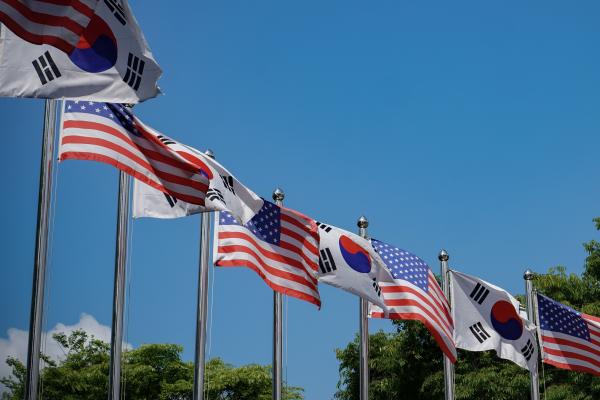
Join Hudson Institute Asia-Pacific Security Chair Patrick M. Cronin for an expert panel featuring Lieutenant General (Ret.)In-bum Chun, Dr. Mira Rapp-Hooper, and Ankit Panda.
This forum will bring together American and Czech officials, defense experts, and industry leaders in Washington, DC.
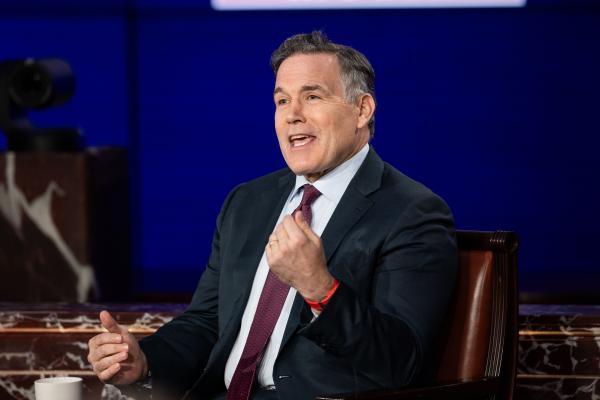
Join Senator Dave McCormick (R-PA), who recently visited Japan and Korea, and Distinguished Fellow Mike Gallagher for a fireside discussion on United States–China relations, the role of allies and partners in America’s Indo-Pacific strategy, and how the US can harness technology, industrial capacity, and allied strength to prevail in the defining strategic competition of our time.