














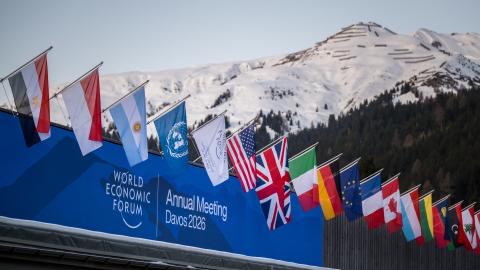
Davos, Switzerland
Last year the Davoisie practiced denial. This year they know fear.
As the skies over Switzerland darken with the usual billionaires’ jets, the old Davos agenda is falling by the wayside. It isn’t only the great nations fighting over trade or the growing tensions between the West and revisionist powers like China and Russia. It isn’t even only Donald Trump’s fixation on the conquest of Greenland and the divisions in the West Mr. Trump has exposed and deepened.
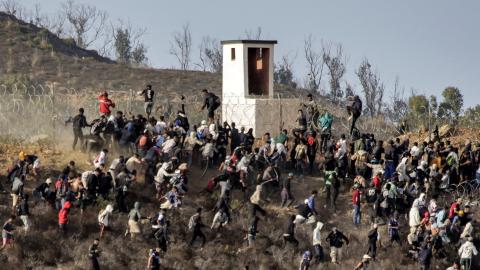
From the burned-over battlescapes of Ukraine to the rainforests of Africa, from the sands of the Sahara to the mountains of Iran, ethnic and religious conflicts are on the rise. The same sort of hatreds tore Europe apart from 1850 through 1945 as multinational, multicultural empires split up, driving millions from their homes and killing millions more. That’s what’s happening, or threatening to happen from Kurdistan to Nigeria. The flight of Armenians from Nagorno-Karabakh; ethnic unrest in Pakistan, Iran, Syria and Turkey; religious and tribal conflicts across West Africa and into the Horn; and the long struggle between Hutus and Tutsis in the Great Lakes region of Africa are all part of this pattern.