Caption
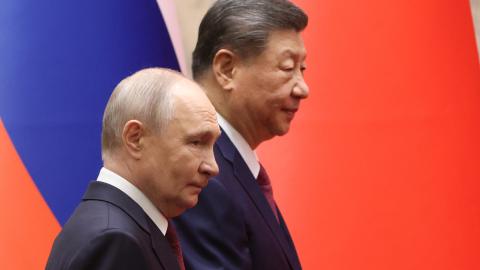
Russian President Vladimir Putin and Chinese President Xi Jinping enter the hall during a signing ceremony on May 20, 2026, in Beijing, China. (Getty Images)


1201 Pennsylvania Avenue, N.W., Suite 400
Washington, DC 20004
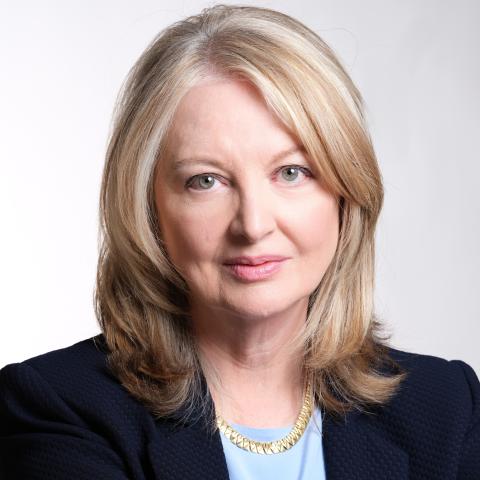
On September 12, Hudson Institute and the Vietnam Committee on Human Rights hosted a conference on religious freedom in South East Asia and U.S. policy in the next administration. Speakers included Elliott Abrams, former U.S. Assistant Secretary of State for Human Rights; Kristina Arriaga, United States Commission on International Religious Freedom Commissioner; Nina Shea, Director of Hudson’s Center for Religious Freedom; and Vo Van Ai, President of the Paris-based Vietnam Committee on Human Rights. This event featured testimony on violations of the right to freedom of religion or belief against Vietnamese Buddhists, Catholics, Hmong Christians, Montagnards, Khmer Krom Buddhists, as well as a discussion of strategies and best practices for interfaith coalition building to promote and protect religious freedom.
In the absence of opposition parties, a free press, independent trade unions, and non-governmental civil rights organizations, religious groups have become essential voices in Vietnam’s civil society, airing common grievances and calling for social and political reforms. In part because of this, they are severely persecuted. Hanoi has established “state-sanctioned” religions that involve a draconian regime of registration and control, and a system of police enforcement that includes the intimidation, brutalization, and detention of religious followers. A new law to further restrict the right of religious freedom is scheduled to come into effect this year.
Under the International Religious Freedom Act, religious freedom is a formal American foreign policy goal. In April, the independent U.S. Commission on International Religious Freedom recommended that Vietnam be included on the U.S. official listing of “countries of particular concern” for its record of religious persecution. In spite of this, President Obama visited Vietnam last May and lifted the U.S. arms embargo without securing any concessions for religious groups or their members. Will the next administration continue this trend or pursue policies that encourage meaningful reform?
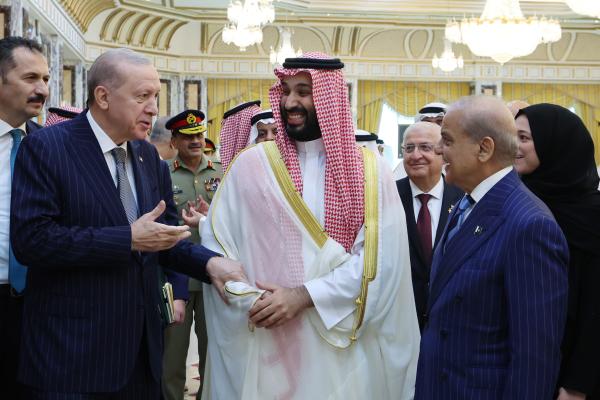
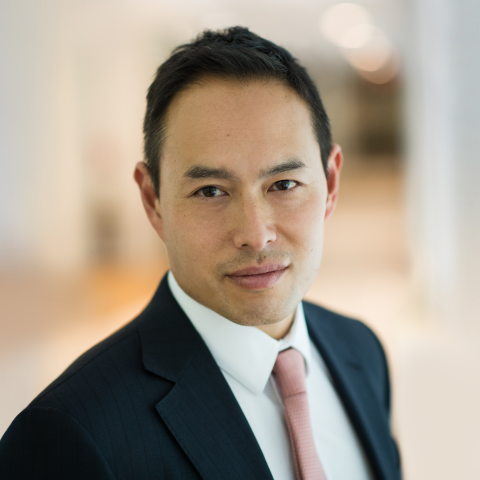
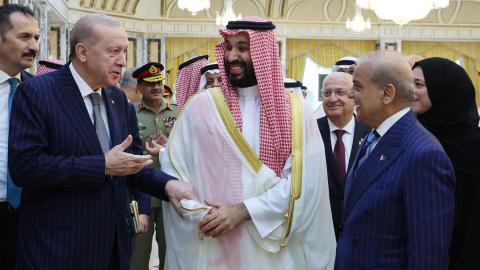
Join Hudson Institute Senior Fellow Ken Moriyasu for a panel with Chaim Martin, Israel’s minister of economic affairs to the United States; Aslı Aydıntaşbaş of the Brookings Institution; Soner Cagaptay of the Washington Institute; and Director of the Center for Peace and Security in the Middle East Michael Doran as they examine the logic behind each framework and what their rivalry means for US policy.
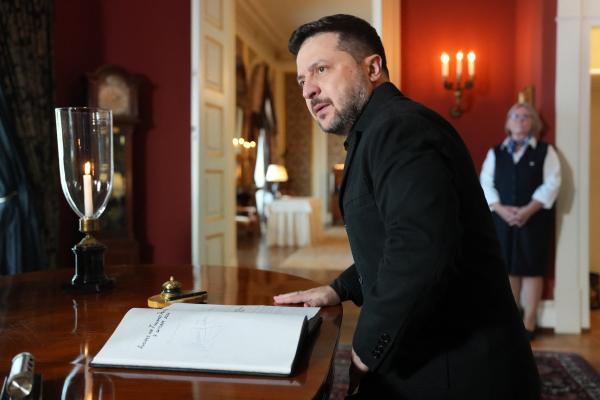
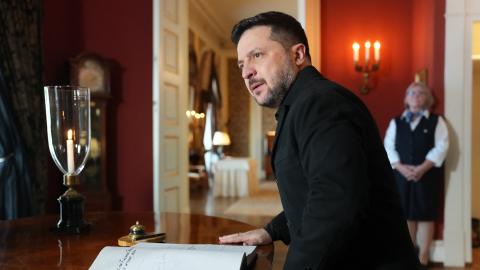
Please join Hudson Institute for a special address on the current state-of-play by Ukrainian President Volodymyr Zelenskyy, who will join remotely, followed by a question-and-answer session on the war with Hudson Institute President and CEO John Walters.
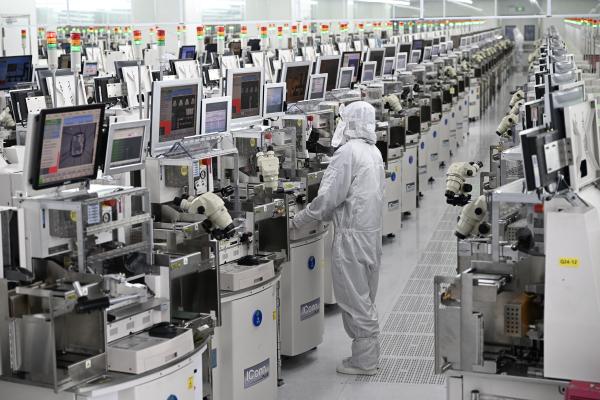
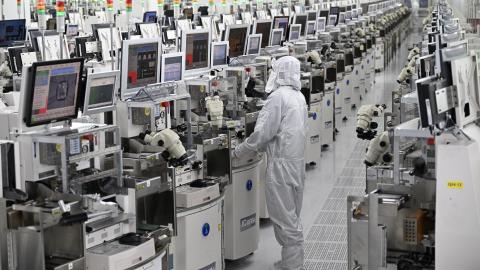
Bill Frauenhofer, executive director for semiconductor investment and innovation at the US Department of Commerce, will join Hudson Institute Senior Fellow David Feith for an invitation-only fireside chat on semiconductor onshoring and the role of government capital in strengthening America’s technological and industrial leadership.
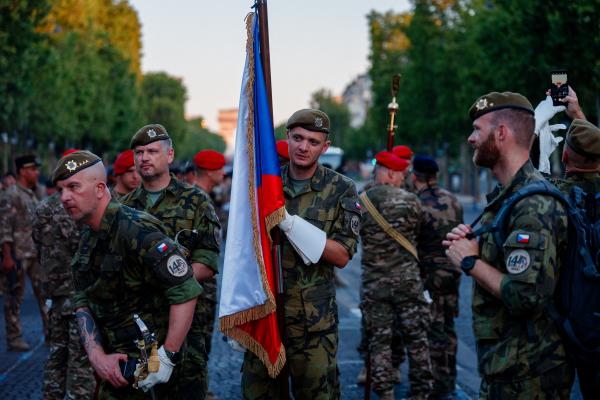
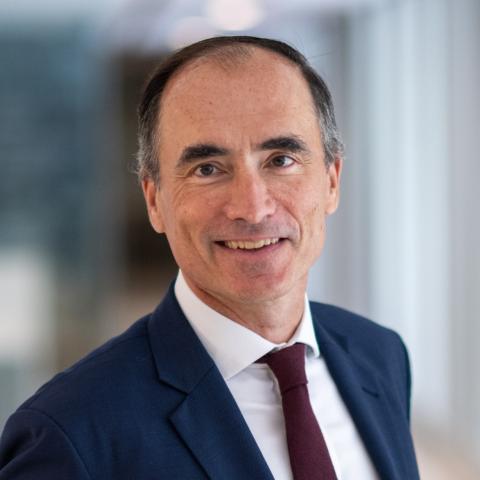
Hudson welcomes Karel Řehka, former chief of the General Staff of the Czech Armed Forces, to discuss the changing security environment in Europe and its implications for the Czech Republic, the North Atlantic Treaty Organization, and the transatlantic alliance.