












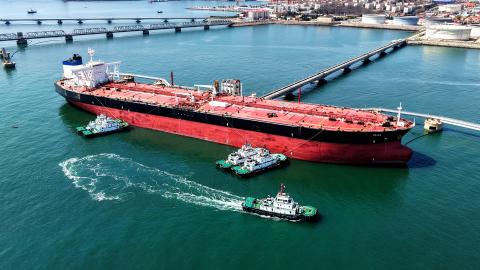
Mariners sweltering in the Gulf, waiting to pass the Strait of Hormuz, are part of a spider’s web of supply in which pressure at any point can be felt across the globe. Shipping companies have been unable to buy “forward fuel” at a negotiated price for delivery next month. They have no choice but to pay today’s high prices, raising cargo costs so dramatically that reliable routes for food and goods become unprofitable. Owners managing the crisis from offices in Singapore, Athens and London are recalculating routes and costs. For those in Shanghai there is an extra worry, one that hasn’t been fully priced in: Their government’s actions are threatening future relationships, not only today’s traffic.
Beijing has for decades promoted itself as a nonjudgmental alternative to the U.S. and the West. Present everywhere, committed to nothing, minding its own business and making money from all sides. In the Gulf, that posture is now collapsing under the weight of its own contradictions.