02
June 2017
Past Event
Six Days of Fire: Israel and the June 1967 War, Fifty Years On

Six Days of Fire: Israel and the June 1967 War, Fifty Years On

Past Event
Hudson Institute, Washington, D.C. Headquarters
June 02, 2017
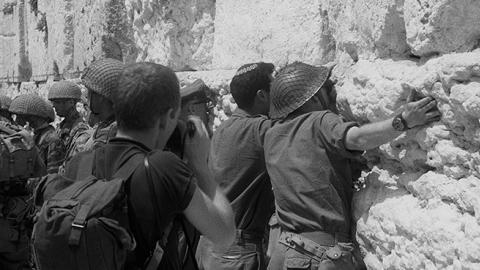
At the end of the Six Day War, Israeli soldiers hug and kiss the stones of the Western Wall, Old City of Jerusalem, Israel, June 11, 1967 (Dan Porges/Getty Images)
Caption
At the end of the Six Day War, Israeli soldiers hug and kiss the stones of the Western Wall, Old City of Jerusalem, Israel, June 11, 1967 (Dan Porges/Getty Images)
02
June 2017
Past Event

1201 Pennsylvania Avenue, N.W., Suite 400
Washington, DC 20004

Speakers:
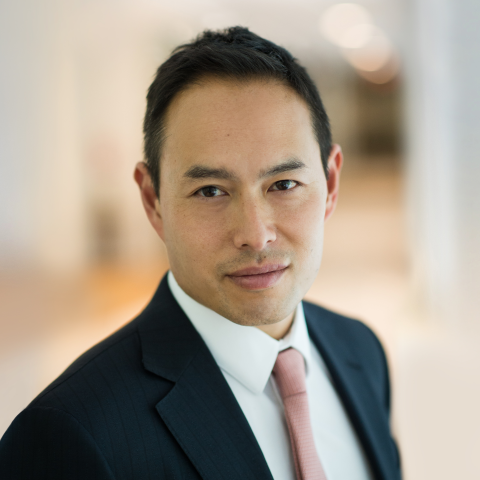
Lee Smith

Former Senior Fellow

michael_doran
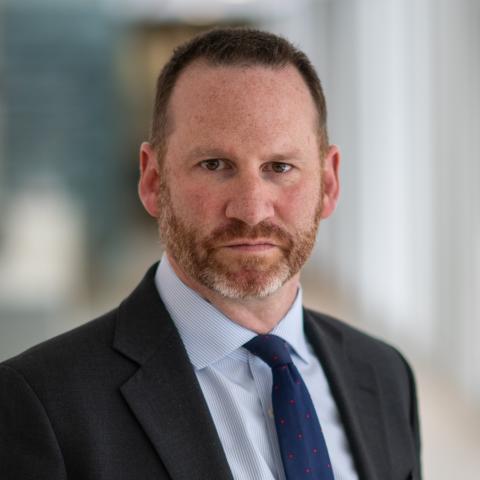
Michael Doran

Senior Fellow and Director, Center for Peace and Security in the Middle East

Hillel Fradkin

Senior Fellow and Director, Center on Islam, Democracy, and the Future of the Muslim World

Liel Leibovitz

Israeli-American journalist; Senior Writer, Tablet Magazine; and author of The Chosen Peoples: America, Israel, and the Ordeals of Divine Elections

Between June 5 and June 10, 1967, Israel’s lightning-strike military victory reshaped the modern Middle East—its geography and the political map. In its war against four Arab armies, supported by other Muslim majority countries, the tiny Jewish state wrested the Sinai Peninsula from Egypt, the Golan Heights from Syria, and reunified Jerusalem. With its success, Israel established itself as a strong power capable of taking on more established regional actors. Furthermore, it was at this point the United States began to recognize Israel’s value as a Cold War ally, balancing against the Soviet Union’s Arab partners.

Half a century later, the ground under the Middle East has shifted and the Arab-Israeli crisis is no longer the region’s defining issue. Many of the Arab states that fought Israel in 1967, or backed the war, now have shared interests with Jerusalem, not least of which is recognizing Iran as a common threat. None of this would have been possible had Israel not proven itself a strategic power fifty years ago.

On June 2, Hudson hosted a lunchtime discussion of Israel, the June 1967 War, and the challenges facing the region today. The event was moderated by Hudson Senior Fellow Lee Smith, and featured Hudson Senior Fellows Michael Doran and Hillel Fradkin, and Israeli-American journalist Liel Leibovitz.

Related Events
19
May 2026
In-Person Event | Invite Only
Environmental Agendas, Geopolitical Ends: Climate Policy and Great Power Competition
Featured Speakers:
Michael Doran
Zineb Riboua
Brenda Shaffer
Sam Cooper
Getty Images
19
May 2026
In-Person Event | Invite Only
Environmental Agendas, Geopolitical Ends: Climate Policy and Great Power Competition

To examine this emerging challenge, Senior Fellow Dr. Michael Doran will convene a conversation with Research Fellow Zineb Riboua, Professor Brenda Shaffer—Research Faculty Member at the US Naval Postgraduate School and Senior Fellow at the Atlantic Council—and Sam Cooper, an award-winning investigative journalist focusing on China-Canada relations.

Getty Images
Featured Speakers:
Michael Doran
Zineb Riboua
Brenda Shaffer
Sam Cooper
20
May 2026
In-Person Event | Invite Only
A Conversation with Under Secretary of State for Public Diplomacy of the United States Sarah B. Rogers
Featured Speakers:
Sarah B. Rogers
Zineb Riboua
Eric Schmitt
Michael Doran
Getty Images
20
May 2026
In-Person Event | Invite Only
A Conversation with Under Secretary of State for Public Diplomacy of the United States Sarah B. Rogers

Please join the Hudson Institute for a conversation with Under Secretary of State for Public Diplomacy Sarah B. Rogers and Hudson Research Fellow Zineb Riboua on how the United States is adapting its public diplomacy tools to advance its interests abroad, counter censorship, promote free speech, and leverage artificial intelligence to deliver more effective, targeted messaging.

Getty Images
Featured Speakers:
Sarah B. Rogers
Zineb Riboua
Eric Schmitt
Michael Doran
21
May 2026
In-Person Event | Hudson Institute
Georgia at a Geopolitical Crossroads: Iranian Influence and Strategic Competition
Featured Speakers:
Luke Coffey
Giorgi Kandelaki
John P. Walters
Congressman Joe Wilson
Ian McGinnity
Moderator:
Matthew Boyse
Tbilisi residents protest after the Georgian Dream government announced a suspension of negotiations on EU candidate status until 2028, as police detain demonstrators during a crackdown in the capital on November 28, 2025. (Photo by Sebastien Canaud/NurPhoto via Getty Images)
21
May 2026
In-Person Event | Hudson Institute
Georgia at a Geopolitical Crossroads: Iranian Influence and Strategic Competition
Tbilisi residents protest after the Georgian Dream government announced a suspension of negotiations on EU candidate status until 2028, as police detain demonstrators during a crackdown in the capital on November 28, 2025. (Photo by Sebastien Canaud/NurPhoto via Getty Images)
Featured Speakers:
Luke Coffey
Giorgi Kandelaki
John P. Walters
Congressman Joe Wilson
Ian McGinnity
Moderator:
Matthew Boyse
22
May 2026
Virtual Event | Online Only
The Western Hemisphere’s Energy Moment
Featured Speakers:
Daniel Batlle
Francisco Monaldi
Getty Images
22
May 2026
Virtual Event | Online Only
The Western Hemisphere’s Energy Moment

Join Hudson Institute as Adjunct Fellow Daniel Batlle interviews Francisco Monaldi, director of the Latin American Energy Program at Rice University’s Baker Institute for Public Policy and one of the foremost authorities on energy and political economy in the region, for a wide-ranging conversation on Latin America's energy future and what it means for the hemisphere and for US interests.

Getty Images
Featured Speakers:
Daniel Batlle
Francisco Monaldi