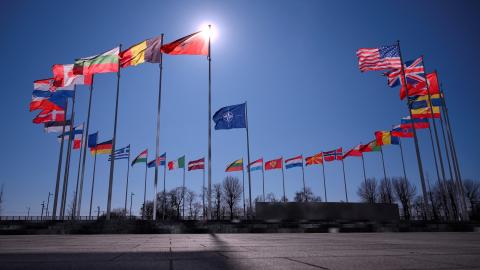






Russia’s expanding espionage, sabotage, cyberattacks, and political interference operations across Europe constitute a significant military and diplomatic challenge to NATO and the European Union. European governments have often treated these incidents as isolated criminal acts or avoided directly attributing responsibility to Moscow. However, the growing frequency, geographic reach, and coordination of Russian-linked operations suggest a broader strategy of sustained confrontation below the threshold of conventional warfare.
Last week, Reuters reported that senior Pentagon officials told NATO allies “to tone down their rhetoric regarding the threat posed by Russia.” When asked, the Pentagon said these were “private conversations among allies.” Private conversations should be privileged, but open debate is unavoidable in our alliance of democracies. Moreover, we need agreement on the threat to act together effectively.