











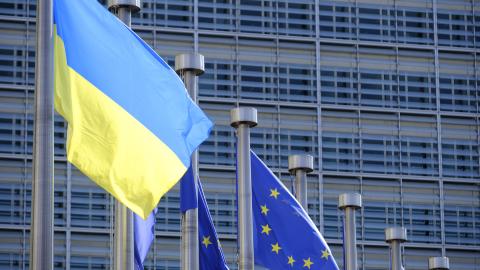
Sanctions are as much about causing pain for the adversary as they are about sending a political message. The political message of disunity among member states about the latest EU sanction package could outweigh the damage they will do to Russian interests.
And Western disunity is what Moscow thrives on. The more there is, the better the prospects are for Russia. And the bigger the incentive becomes for it to continue the war.
So, Brussels might have decided to skip the exercise to avoid sending a damaging message of disunity.
On the other hand, not continuing to adapt sanctions to changing circumstances would, in itself, also send a message. The first nine sanctions packages were agreed in 2022. In the three years that followed, there were always at least three packages.
The moment the EU stops following this rhythm, it sends a message even worse than disunity and watered-down sanctions. It would show Russia that there is so little political will left to confront it that even trying to put up a new sanctions package is not worth the effort. Better to try and fail on the most ambitious parts than not to try.
Read the other authors' contributions in the Carnegie Endowment.