











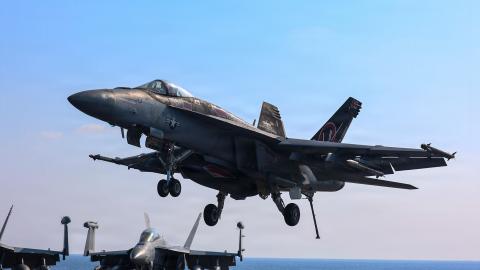
Last month, Iran offered to reopen the Strait of Hormuz and restart nuclear talks within a week if Washington lifts its naval blockade, waives sanctions on Iranian oil sales, and releases frozen assets. The offer is still open, according to Iranian Foreign Minister Abbas Araghchi. However, President Donald Trump was, and is, right to refuse it. Asking to be paid to reopen a waterway Iran itself closed is not a concession; it is extortion dressed up as diplomacy.
President Trump has reportedly told advisers he expects to resume bombing after the midterms. He should keep that option alive. A targeted campaign would work hand in hand with the economic squeeze: strikes destroy what Iran cannot afford to replace, while a collapsing currency and surging inflation, driven by the blockade and the Treasury’s Operation Economic Outcast, make every loss harder to absorb.
The economic campaign is not a substitute for force; it is the prelude to it. Thomas Schelling, the game theorist who taught a generation of strategists how coercion works, argued that the power to hurt is bargaining power only while the pain is still to come. Pain already inflicted buys no further concessions; the threat of more intense pain does. The blockade is the pain Iran is already feeling; the force behind it is the pain still to come. Iran’s September offer sought to end the first before the second arrived.