



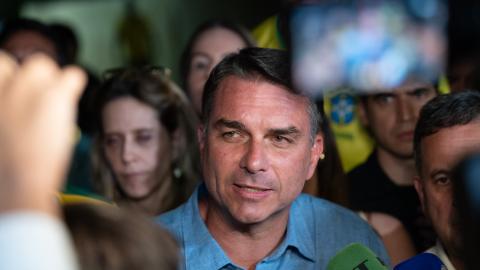










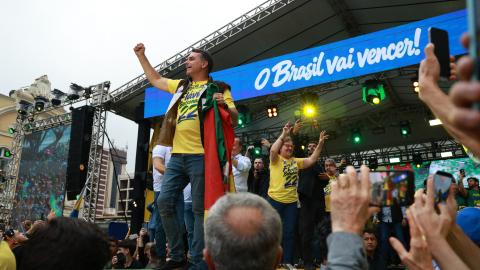
Over the past year, Latin America has swung to the right, and if Flávio Bolsonaro wins the second round of Brazil’s presidential runoff on Oct. 25, the region will have the broadest alignment of right-of-center governments in its democratic era. The new leaders openly embrace Washington, and most have joined the Shield of the Americas anti-cartel coalition. This wave, driven by discontent over insecurity and stagnant economies, has raised hopes that the region is undergoing a lasting political transformation.
A similar wave rose and receded not long ago. In 2018 and 2019, conservative governments led most of South America and worked closely with Washington. When opposition leader Juan Guaidó claimed Venezuela’s interim presidency in January 2019, Colombia, Brazil, Argentina, Chile and Peru quickly joined the United States in recognizing his government, and later that year they invoked an international agreement, the Rio Treaty, against the Maduro regime. By 2022, much of the region had swung back to the left, and the coalition withered.
The current wave may prove just as short-lived. These leaders have thin mandates. Many won tight races in elections that were more a rebuke of incumbents than an endorsement of the right, and some lost support swiftly. Chile’s José Antonio Kast saw his approval rating fall to 36% only three months into his term after fuel prices rose.
Moreover, many of these governments face fiscal pressures just as voters are feeling the rising cost of living. The oil shock from the Iran conflict has made matters worse: Regional energy inflation hit 8% in June, forcing governments to choose between costly fuel subsidies and angry voters. That same dilemma undid the last wave. Between 2019 and 2021, fare hikes, fuel-subsidy cuts and tax reforms touched off mass protests that crippled the governments of Chile and Colombia.
Washington cannot fix these underlying problems. But it can stop making some of them worse, and it can help its allies deliver results their voters will notice.
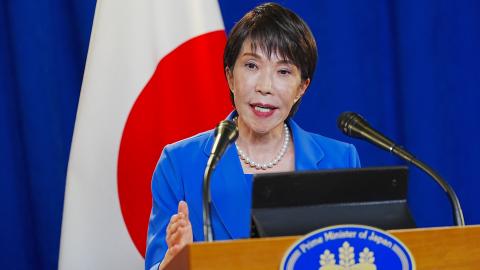
First, the Trump administration should use one of the few tools it has to reward friends: trade. Under the latest tariffs imposed in July, allies like Chile and Colombia pay the same 12.5% rate as China and Russia. Colombia’s President Abelardo de la Espriella asked Trump to suspend the tariffs on his country shortly after taking office.
Even Argentina’s President Javier Milei, Trump’s closest ally in the region, got only a limited trade deal that left 50% tariffs on Argentine steel and aluminum intact. Facing a hostile Congress, Milei is now struggling to ratify it, a year before an election that will decide whether Argentina’s free-market reforms survive.
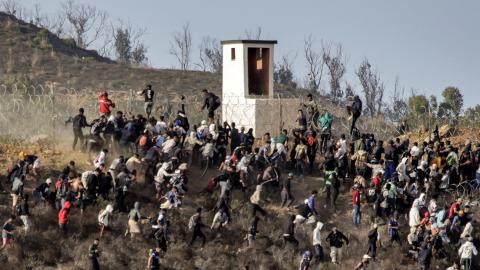
Second, the administration should make sure its centerpiece initiative in the region delivers early wins for citizens exhausted by disorder and violence. The Shield of the Americas has real value as a platform for coordinating security policy and for training and joint operations against cartels, but seven months in, it has done more to label cartels as terrorists than to curb the extortion, robbery and murder that Latin Americans face in their own neighborhoods.
Washington should devote more resources to building the police forces, prosecutors, courts and financial intelligence units that can dismantle criminal networks and keep them from returning. That is also where public support lies. Chileans are split on joining the coalition, but more than 80% back working with its members to freeze criminals’ assets. And the administration should measure the Shield’s success by what matters most to citizens: homicide, victimization and prosecution rates, not just drug interdictions.
The Shield should also be built to outlast the leaders who founded it. If the pendulum swings back, cooperation against cartels should not collapse with it, as the coalition against Maduro did after 2019. The administration was wise to invite Guatemala, governed by the center-left Bernardo Arévalo, and should extend the same offer to Mexico and others.
None of this will inoculate Latin America’s new leaders against the anti-incumbent currents that brought them to power. The real test of Trump’s Latin America policy is whether greater security and prosperity lead voters to keep electing governments that want to work with Washington, starting with Argentina’s election in October 2027. If they do, Trump will leave a legacy in the region that eluded his predecessors.