09
September 2015
Past Event
50 Years After the 1965 War: What Has Changed in India-Pakistan Relations?

50 Years After the 1965 War: What Has Changed in India-Pakistan Relations?

Past Event
Hudson Institute, Washington, D.C. Headquarters
September 09, 2015
Default Event Image
09
September 2015
Past Event

1015 15th Street, N.W., 6th Floor
Washington, DC 20005

Speakers:
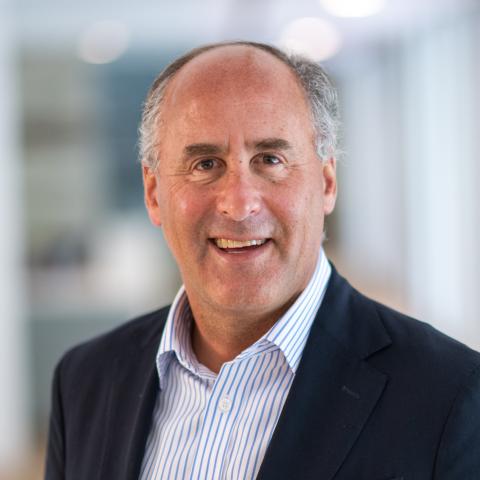
Stephen Cohen

Senior Fellow, India Project, The Brookings Institution

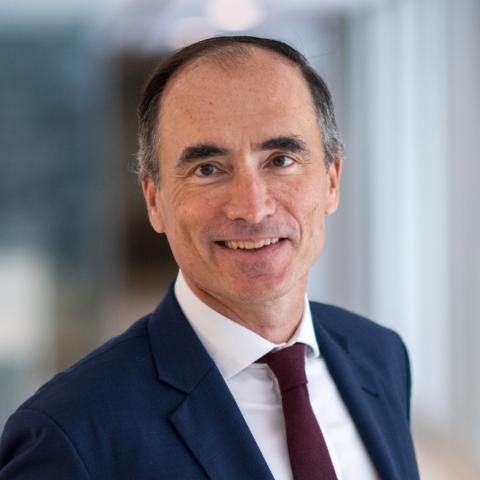
John H. Gill

Associate Professor, Near East-South Asia Center, National Defense University

Shuja Nawaz

Distinguished Fellow, South Asia Center, Atlantic Council

September marks the 50th anniversary of the seventeen-day war fought between India and Pakistan. The 1965 war involved nearly one million troops and ended in a ceasefire brokered by the Soviet Union. The United States played an important role in the struggle, cutting off military supplies to both sides and participating in diplomatic negotiations to end the conflict.

Pakistan and India currently have two of the largest armies in Asia and each country possesses an estimated nuclear arsenal of at least 100 weapons. The India-Pakistan border remains a frequent site of violence and many of the issues that triggered the 1965 war persist today. The stability of South Asia, a region critical to American foreign policy interests, rests on the tenuous peace between these two countries, with the potential remaining for both future conflict and conciliatory resolutions.

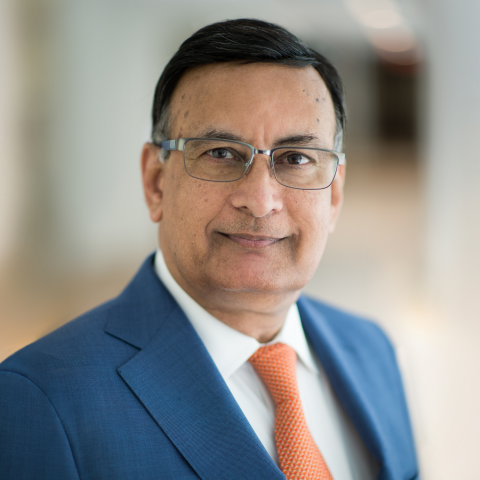
On September 9th, Hudson Institute hosted a panel discussion on the causes and impact of the 1965 war and what has and has not changed in India-Pakistan relations over the last 50 years. The discussion also addressed how U.S. involvement in the conflict influenced both Indian and Pakistani views of U.S. foreign policy. The distinguished panel featured Dr. Stephen Cohen, Senior Fellow at the Brookings Institution's India Project; Mr. Shuja Nawaz, Distinguished Fellow at the Atlantic Council's South Asia Center; and Col. John Gill (Ret.), Associate Professor at the Near East-South Asia Center at the National Defense University. The panel was moderated by Hudson's Senior Fellow and Director of South and Central Asia, Ambassador Husain Haqqani.
Related Events
06
May 2026
In-Person Event | Hudson Institute
A Conversation with Former METI Minister Nishimura on Prime Minister Takaichi's Policy Outlook and Solutions
Featured Speakers:
Yasutoshi Nishimura
Kenneth R. Weinstein
Getty Images
06
May 2026
In-Person Event | Hudson Institute
A Conversation with Former METI Minister Nishimura on Prime Minister Takaichi's Policy Outlook and Solutions

On May 6, Hudson Japan Chair Kenneth R. Weinstein will welcome Yasutoshi Nishimura, former head of Japan’s Ministry of Economy, Trade and Industry (METI) to Hudson. 

Getty Images
Featured Speakers:
Yasutoshi Nishimura
Kenneth R. Weinstein
11
May 2026
In-Person Event | Hudson Institute
Defending Taiwan: A Strategy to Prevent War with China
Featured Speakers:
Eyck Freymann
Jason Hsu
Getty Images
11
May 2026
In-Person Event | Hudson Institute
Defending Taiwan: A Strategy to Prevent War with China

With Jason Hsu, Freymann will discuss how the United States and its partners can adapt to China’s evolving strategy and develop a coherent plan to prevent conflict while safeguarding Taiwan’s future.

Getty Images
Featured Speakers:
Eyck Freymann
Jason Hsu
12
May 2026
In-Person Event | Hudson Institute
China’s Persecution: Assault on All Faiths
Featured Speakers:
Sam Brownback
Hon. Frank Wolf
Michael Arkush
Mihrigul Tursun
Arjia Rinpoche
Frances Hui
Wang Chunyan
Pastor Pan Yongguang
Peter Xu
Enes Freedom
Pastor Corey Jackson
Grace Jin Drexel
Moderator:
Nina Shea
This picture taken on July 19, 2023 shows a view of a watchtower of an alleged detention facility in Artux in Kizilsu Prefecture in China's northwestern Xinjiang region. Since 2017, more than a million Uyghurs and other Muslims have been swept into internment camps where human rights abuses are commonplace, researchers, campaigners and members of the diaspora say. Beijing says the facilities were voluntary centres for teaching vocational skills, closed years ago after their inhabitants "graduated" into stab
12
May 2026
In-Person Event | Hudson Institute
China’s Persecution: Assault on All Faiths

To address these concerns, former senator Sam Brownback, who served as ambassador at large for international religious freedom in the first Trump administration, will join Senior Fellow Nina Shea to propose new policies for the US government and actions for the American public. 

This picture taken on July 19, 2023 shows a view of a watchtower of an alleged detention facility in Artux in Kizilsu Prefecture in China's northwestern Xinjiang region. Since 2017, more than a million Uyghurs and other Muslims have been swept into internment camps where human rights abuses are commonplace, researchers, campaigners and members of the diaspora say. Beijing says the facilities were voluntary centres for teaching vocational skills, closed years ago after their inhabitants "graduated" into stab
Featured Speakers:
Sam Brownback
Hon. Frank Wolf
Michael Arkush
Mihrigul Tursun
Arjia Rinpoche
Frances Hui
Wang Chunyan
Pastor Pan Yongguang
Peter Xu
Enes Freedom
Pastor Corey Jackson
Grace Jin Drexel
Moderator:
Nina Shea
01
May 2026
Past Event
The Triumph of Economic Freedom: A Conversation with Phil Gramm
Featured Speaker:
Senator Phil Gramm
Moderator:
John P. Walters
1 US Dollar coin with Statue of Liberty design close-up macro
01
May 2026
Past Event
The Triumph of Economic Freedom: A Conversation with Phil Gramm

Senator Gramm will discuss the book’s findings, how economic freedom drives human flourishing, and why conventional wisdom about capitalism deserves a second look.

1 US Dollar coin with Statue of Liberty design close-up macro
Featured Speaker:
Senator Phil Gramm
Moderator:
John P. Walters