














SVG
Commentary
Wall Street Journal

“Strategic Stability” Is a Comforting Foreign-Policy Fantasy

What went wrong in the post–Cold War period? The US failed to grasp that it has real enemies.

tod_lindberg
tod_lindberg
Senior Fellow
Default Expert Image
Corban Teague
Tod Lindberg & Corban Teague
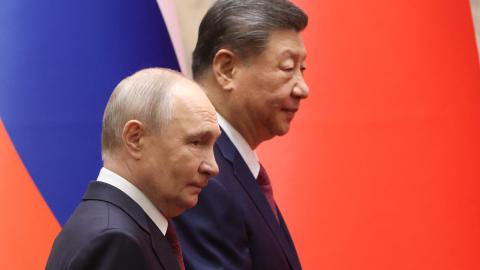
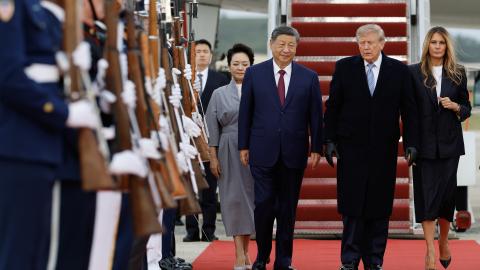
First Lady of China Peng Liyuan, Chinese President Xi Jinping, US President Donald Trump, and First Lady Melania Trump walk on the red carpet during an arrival ceremony on September 23, 2026, at Joint Base Andrews in Maryland. (Getty Images)
Caption
First Lady of China Peng Liyuan, Chinese President Xi Jinping, US President Donald Trump, and First Lady Melania Trump walk on the red carpet during an arrival ceremony on September 23, 2026, at Joint Base Andrews in Maryland. (Getty Images)

The theme of the U.S.-China summit last week was “strategic stability.” Yet this “stability” is at best an aspiration and, more likely, happy talk obscuring an actively deteriorating relationship. Global stability is a noble goal, but pursuing it can lead policymakers into dangerous missteps.

The quest for a stable global order has long beguiled idealists and realists alike. Conflict is inevitable, and the U.S. faces a future that is likely more violent and destructive than many are prepared to face. If America is to survive another 250 years, it’ll have to come to terms with this harsh reality.

Read in the Wall Street Journal.