


















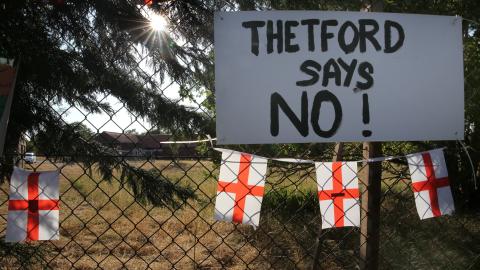
Thetford, England, population about 25,500, has been mostly quiet since King Henry VIII’s dissolution of the monasteries kneecapped the local economy in 1540. But several nights of violence last week put the Norfolk market town in the news. Crowds angry at plans to house asylum seekers at a nearby Royal Air Force site attacked buildings where migrants were believed to be sheltered. An uneasy peace returned over the weekend, but British authorities worried that the antiforeigner violence could spread.
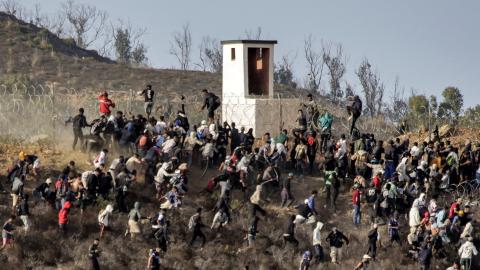
Thetford is only one place where migrants—and locals’ resistance to mass immigration—are making headlines. Images of migrants streaming across the border from Morocco into the Spanish city of Ceuta electrified viewers globally, created headaches for the government in Madrid, and led Italian Prime Minister Giorgia Meloni to introduce border controls against non-Europeans traveling from Spain.