Caption
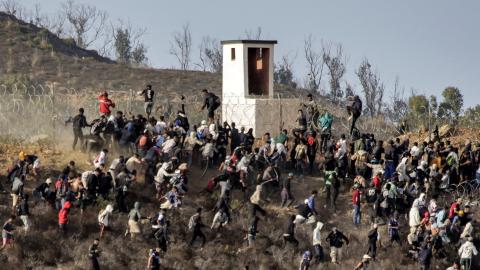
Migrants storm a barbed-wire fence as they attempt to cross the land border with Spain's African enclave of Ceuta near Fnideq in northern Morocco on September 15, 2024. (Getty Images)
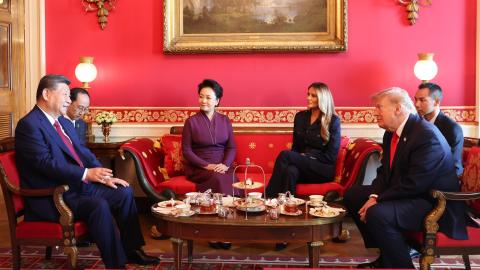
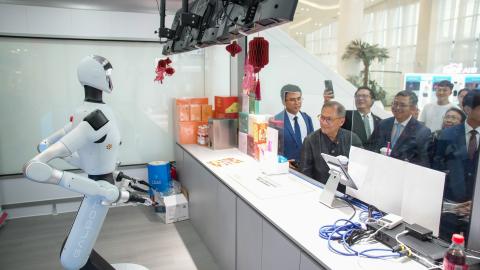


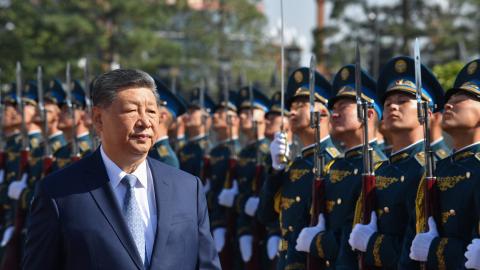

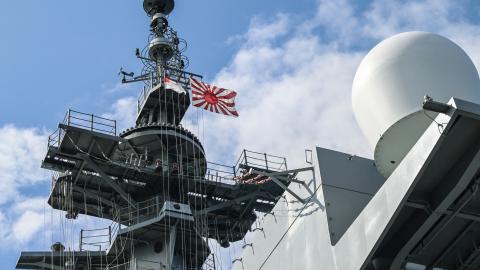
Japan has emerged as a central pillar of Indo-Pacific security, playing an increasingly important role in strengthening deterrence, supporting regional stability, and deepening cooperation with the United States and other democratic partners.
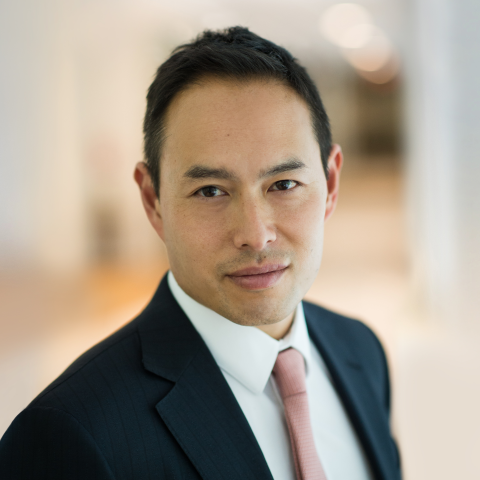
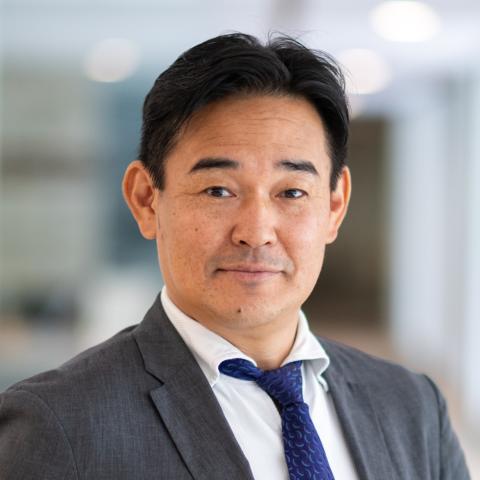
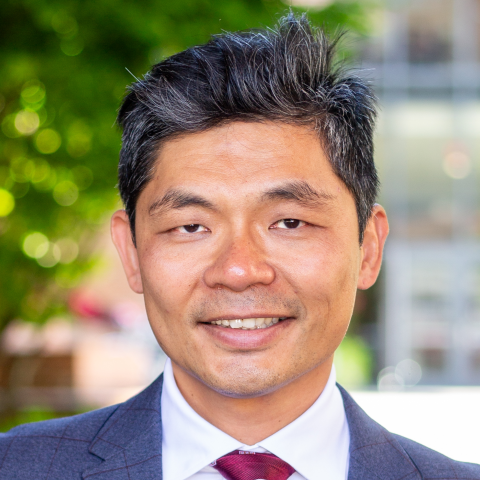
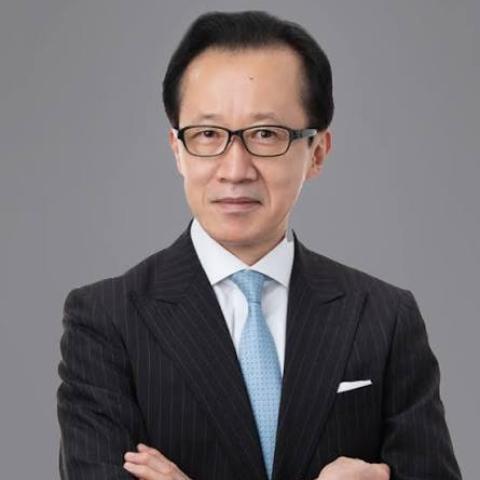
Join Hudson Institute Senior Fellow Jason Hsu for a conversation with the Hon. Shigeru Kitamura, former secretary general of Japan's National Security Secretariat and former director of Cabinet Intelligence. As one of Japan's foremost national security leaders and a close adviser to Prime Minister Shinzo Abe, Kitamura helped shape Japan's modern national security strategy and economic security architecture.
The discussion will examine Japan's evolving security posture in the Indo-Pacific, the future of the US-Japan alliance, economic security resilience, and the strategic implications for the US-China relationship, Taiwan, and the broader region.
Listen on Spotify and Apple Podcasts.
Transcripts in English and Japanese
These transcriptions are automatically generated and edited lightly for accuracy. Please excuse any errors.
English
Joel Scanlon:
Good afternoon, everyone. I’m Joel Scanlon, executive vice president here at Hudson. It’s my great pleasure to introduce today’s event. Since its founding more than 60 years ago, Hudson has championed a strong and vibrant Japan and an ever stronger US-Japan relationship, what we believe is the most important alliance for the United States today.
The evolution in Japan’s strategic outlook over the past decade has been profound. Japan today is not simply a regional actor. It is a central pillar of Indo-Pacific security. The US-Japan Alliance has also evolved far beyond its traditional defense. It now encompasses coordinated efforts in economic security, supply chain resilience, intelligence, cyber, scientific and technological discovery, energy resilience, and the broader challenge of sustaining deterrence in an era of strategic competition. Few leaders have been as deeply involved in thinking through this convergence of security, economics, and technology as our guest today. It is our great honor to welcome Shigeru Kitamura back to Hudson Institute.
Kitamura’s son is one of Japan’s most consequential national security leaders. He served as Secretary General of Japan’s National Security Secretariat, as Director of Cabinet Intelligence, and as a close national security advisor to Prime Minister Abe.
In those roles, he helped shape Japan’s modern security architecture at a time when the Indo-Pacific was becoming more contested, more technologically complex, and more central to the future of global order. His work helped anticipate many of the debates Washington is now having how to protect critical technologies, how to build resilient supply chains, how to counter economic coercion, and how to strengthen alliances in the face of growing pressure from China.
This conversation is especially timely. Nowhere are the linkages between the economic and national security order more evident than in the Taiwan Strait, where deterrence, technology, trade, and alliance coordination all come together.
Kitamura-san will offer opening remarks, and then we’ll be in conversation with my colleague Jason Hsu, senior fellow here at Hudson. Jason brings a unique perspective as a former Taiwanese legislator, a leading voice on technology, defense and semiconductors, AI, and Taiwan’s role in the global security architecture.
Again, thank you so much for being here. Also, a new book, Invisible Warfare. Some copies outside. Thank you so much for being here. Please join me in welcoming Kitamura-san.
Hon. Shigeru Kitamura:
Thank you, Vice Chairman, distinguished guests, National Security Leaders, and distinguished members of the Hudson Institute. We convene today at a critical juncture for the Indo-Pacific. As alliance structures deepen and the military capabilities expand across our region, we face a fundamental and urgent question.
The future of the US-Japan Alliance, economic security resilience, and the strategic implications for the US-China relationship, Taiwan, and the broader region. To answer these vital questions, we must first confront the reality of the geopolitical environment we now inhabit. We must begin by acknowledging a preformed structured shift.
The liberal assumption that defined the post-Cold War international order, that comforting belief that economic interdependence inherently promotes peace, has fundamentally shaken in the 21st century. For decades, we operated under premise that global economy integration would seamlessly align our strategic interests. However, while globalization undoubtedly deepen the economic bounds between nations, it simultaneously created a highly vulnerable structure where those very dependencies can be under being converted into strategic pressure.
Today, we must face the reality that economic interdependence is no longer value-neutral. It has been reinterpreted, redefined, and operationalized as an integrate component of national security. We see this paradigm shift most clearly in the strategic posture of the United States. Following a historic and comprehensive review of its relationship with China, the United States has transitioned its core policy access from engagement to strategic competition. It is crucial to understand this is not a transitory phenomenon tied to a single administration.
It has been institutionalized as a bipartisan trajectory. The 2025 national security strategy of the United States explicitly articulates the intent to maintain strategic superiority in the Western hemisphere. And notably, it expands the domain of competition far beyond the traditional military sphere. It now encompasses economics, technology, supply chains, energy, and the defense industrial base.
In this context, economic security is no longer merely auxiliary line in foreign policy. It is positioned as a central axis of national strategy. This extends to trade policy as well. The additional tariff measures announced in April 2025, which introduce a mutual tariff framework adding country-specific surcharge to a baseline tariff, illustrate this performed shift.
While the operational details of these measures fluctuated, and the judicial decisions and the policy adjustment. However, the critical takeaway remains. The conceptual approach to using trade as an instrument of national security is now firmly established. The United States no longer maintains a strict separation between economics and security.
This structure transformation fundamentally requires us to update our conceptual understanding of sphere of influence. Traditional geopolitics measures this fear primarily by geographic space. However, in the modern era, known geographic sphere of influence presses decisive significance. These modern spheres are forged and maintained through what we call functional choke points.
I’m speaking of dominance over advanced semiconductor manufacturing equipment, critical logic chips, vital minerals, submarine cable networks, and energy transportation infrastructure. In today’s strategic landscape, dominance over these functional choke points translates directly into military superiority. Currently, we are witnessing the emergence of a notable and precarious dynamic, the loose strategic alignment among China, Russia, Iran, and North Korea, sometimes collectively deferred to as CRINK.
While this does not constitute a formal treaty alliance, they are deepening cooperation through military coordination, rapid technology transfers, and sophisticated sanctioning evasion networks forms a tangible strategic linkage.
This development must be recognized as a direct challenge to the normative frameworks that underpin our international order. In this increasingly complex and volatile environment, Japan’s geopolitical weight has paradoxically increased. Situated on the eastern edge of Eurasia, Japan stands on the absolute frontline of a vital strategic space.
The critical nexus connecting the Taiwan Strait, the East China Sea, and the South China Sea. However, Japan’s value is not solely geographic. Japan holds in a structured value in the realm of economic security. We serve as an indispensable cohort in global supply chains, particularly regarding semiconductor manufacturing equipment, advanced minerals, precision machinery, and critical components.
Therefore, as we discuss the future of regional architecture, Japan’s response cannot and must not be limited to mere defense adaptation. We cannot confine ourselves to seeking tariff exemption or making a temporary market adjustment. What is urgently required is a comprehensive strategic design, one that seamlessly integrate our rule-making capabilities with our capacity to implement alliances. The ideological foundation of this evolution is a concept of a Free and Open Indo-Pacific, or FOIP, first championed by the late Prime Minister Shinzo Abe.
Let me be clear. FOIP is not merely a diplomatic slogan. It is a proactive vision to drive standard setting in infrastructure, the digital economy, and strait systems, all grounded in the uncompromising norms of the rule of law, freedom of navigation, transparency, and sustainability.
Economic frameworks such as the CPTPP and the Japan-EU Economic Partnership Agreement serve as an institutional foundation for this vision. These are not simple market access agreement. They encompass high-standard rules, including disciplines on state-owned enterprises, e-commerce regulations, rigorous intellectual property protection, and investment transparency.
Japan alongside other responsible meter powers, must strategically utilize these frameworks not as alternative markets, but as part of the platform for known exportation. Thereby, building the inclusive security order these panels is debating. Simultaneously, to ensure stability, the US-Japan Alliance must transition from a shared ideal to rigorous implementation.
The US-Japan Security Treaty is comprehensive. Article Three mandates the maintenance and the development of defense capability. Article Four requires security consultations, and crucially, Article Two calls for economic cooperation and the elimination of friction in international economic policies. Operating these three elements in a fully integrated manner is a very core of alliance in the era of economic security.
Central to this implementation is the concept of offset. This is not simply a matter of presenting figures for financial investment in the United States. To offset means systematically and institutionally inserting Japan’s indispensable capability into shared strategic goals, by securing vital goals in critical mineral supply chains, advanced semiconductor manufacturing, defense industrial cooperation, stable energy supply, and infrastructure standard-setting; Japan structurally binds its capabilities to US national interests.
Specific, tangible examples include our bilateral semiconductor technology cooperation, the joint development of glide phase interceptor, or GPI, and the strengthening of LNG supply chains. These initiatives must be positioned not as isolated policies, but as vital components of an integrated design that cuts across economics, the military, and the technology.
To manage regional emergency and the disruption of emerging technologies, our national security posture require three urgent priorities. First, we must rapidly strengthen deterrence, which, critically, includes the actualization of our counterstrike capabilities. Second, in regarding Southwest Islands, including Senkaku Islands, we must construct a seamless operational system between the Japan Coast Guard and the Self-Defense Force Navy, backed by robust bigger framework to respond decisively to gray zone situations.
Third, we must comprehensively prepare for hybrid warfare. We are currently engaged in an invisible war. Cyber attacks and information warfare are designed to paralyze state functions long before any physical clash of arms occurs.
Through the strict, transparent application of recently reinstated Security Clearance Act, coupled with Active Cyber Defense Registration, we must urgently enhance the resilience of our critical infrastructure and supply chains. Furthermore, regarding the DPRK threat, we must prepare strategically for a potential shift in international focus toward arms control.
While doing so, Japan must steadily advance its missile defense, counterstrike capabilities, and intelligence gathering systems, and ensure that our vital national interests, including the immediate resolution of the abduction issue, are fiercely protected in Alliance consultation. Ultimately, the modern competitive environment has taken on the structure of total warfare. National security can no longer be achieved in military domain.
It is realized only through the strategic and integrated application of a diametric framework: diplomacy, information, military, economics, and technology. For decades, in the post-war era, Japan built its immense prosperity on a paradigm that separated economics from security. However, that foundational premise has evolved.
What is demanded of Japan today is a transformation into a strategic state, a nation that place economic security at the very core of its national strategy, maximizing its interest and regional stability through the dual engine of norm-setting and alliance implementation. Power without ideals cannot be sustained. However, we must also recognize that ideals without power will inevitably end in emptiness.
In this era of the realpolitik, it is practical intelligence and wisdom to breach these two, power and ideas, that will elevate Japan into a sustainable strategic state, and ensure a stable prosperous in the Pacific for all. Thank you for your attention.
Jason Hsu:
Thank you, Kitamura-san, for very insightful and very timely remarks. It’s a pleasure and a privilege to have you with us today. Let’s dive right in. On July 7, China launched from a submarine a ballistic missile, and that has caused wide anxiety across the region, including countries that was affected with missiles flew across its land. And Japan have also responded as well.
And China did not notify the regional countries ahead of its missile launch. And in fact, only a few hours ahead of the launch, China notified it. Can you share us with how Japan interpreted this action? And also, is that served as a warning to Japan, given that China, Beijing, also accused of Japan over-extending the militarism as well? How would you counter that, and also respond to that?
Shigeru Kitamura:
I think PRC is seeking for such kind of opportunity for a long time. Especially China is seeking for accomplishing the long-range ballistic missile, especially targeting against US mainland. This technological achievement is almost accomplished. It’s a rather big political impact, especially against the United States, I believe.
And Japan is always threatened by the ballistic missile threat from China. For example, during the visit of the speaker Pelosi in Taiwan, they retaliated by launching the ballistic missile. Several ballistic missile landed on the east of Japan. It’s a very big threat. And this time, unfortunately, such kind of thing doesn’t occur, but we are always thinking about such kind of the escalation and the threatening from PRC.
Jason Hsu:
Related to this, Chinese Coast Guard vessels now operate around the Senkaku Islands, as you noted during your speech, now with greater frequency, and as well as more heavily armed ships are spending longer periods inside Japan’s territorial waters. How do you assess Beijing’s strategy? Is China trying to gradually change the status quo? And how should Japan respond to gray zone coercion designed to stay below the threshold of armed conflict?
Shigeru Kitamura:
Actually the threatening by the Chinese Coast Guard against Senkaku is a everyday issue. Especially, they are enhancing the equipment from the viewpoint of the firepower and the vessel itself. The Chinese Coast Guard vessel is not from the civil one. It is the commission from the military vessel. I believe Japan must prepare such kind of escalation and change of the status quo through the enhancement of the capability of the Japanese Coast Guard. At the same time, revising the registration of the Japanese Coast Guard.
Jason Hsu:
Now, let’s move on to the Japan- Korea relationship. You’ve noted ties between Seoul and Tokyo have notably improved, and conditions are ripe for expanded cooperation. And you’ve also mentioned during our interview that North Korea has been focusing on nuclear issues, and has been putting efforts into building intense relations with Russia.
In the future, economic security between Seoul and Tokyo will be a big part in bilateral cooperation. The two countries will be able to cooperate in many forms. Can you talk about sort of your future outlook of Tokyo and Seoul collaboration on these matters, also concerning North Korea and Russia ties, and China as well?
Shigeru Kitamura:
First of all, I’m so relieved. From time to time, the political change of the ROK gives impact over the bilateral relationship. Happily, the relation between Prime Minister Takaichi and President Lee Jae Myung is so good. And President Lee Jae Myung keep the pragmatic demands concerning the diplomacy with Japan. Especially, he underscore the relationship among the US, ROK, and Japan.
I hope this posture will be continued. At the same time, I believe the ties on the domain of the economic security must be enhanced. During the tenure of Moon Jae-in, he never used a word of the free and the open in the Pacific. Lee Jae Myung used these word. It’s a very good thing. At the same time, on the domain of the energy security and the supply chain, the ROK under Japan have lots of place in the sphere to cooperate with.
Jason Hsu:
Kitamura-san, you ranked Japan’s intelligence apparatus for eight years. This month, the organization you led becomes the new national intelligence agency, and Japan plans to create a delegated foreign intelligence service by 2027.
From your perspective, what intelligent threats from China concern you most today? And how will these reforms improve Japan’s ability to identify, understand, and counter Beijing’s espionage in influence operations and gray zone activities?
Shigeru Kitamura:
Most important threat from our adversaries, not only from the PRC, but also other countries. Maybe this information operation is so critical. This advanced impact operation on the domain intelligence is not done by the human power.
It’s very similar to the cyber attack in utilizing the AI technology. Japanese government must confront such kind of threat. In Japan, AI agent using attack must be countered by AI agent technology on the domain of the cybersecurity. Maybe in the domain of disinformation, we can say the same thing.
Jason Hsu:
Now let’s shift to the economic security that you’ve spent a lot of time thinking through, and also the integrated deterrence that you’ve talked about, converging the diplomacy, economic security, defense and technology. I think it’s one of the most critical issues that countries around the world are dealing with right now.
Now, you’ve shaped Japan’s economic security strategy, and that has increasingly becoming the big issues, especially concerning critical minerals, semiconductor, AI. And what does that tell us about how Japan’s now sees its role in the world between economic security and the national strategy? And should we expect the new national security strategy to integrate economic security even more explicitly?
Shigeru Kitamura:
First of all, the actual national security strategy prescribed in 2022, it’s mentioned about the enhancement of the economic security policy. It talked about the five pillars among the main policy concerning the national strategy. In these pillars, they talked about economic security policy. It’s so important.
Beforehand, as you mentioned, Economic Security Promotion Act was regulated. Actually, the new National Security Strategy in Japan is deliberated among the advisory board. I believe the economic security policy has no end. And as you mentioned, the Economic Security Promotion Act is revised every five years, and this year it was revised also.
Actually, the economic security policy is national security. Economic security is national security. Therefore, on the new National Security Strategy, this will be treated in the mainstream.
Jason Hsu:
And related to economic security and energy security is the recent development of US, Korea, and Japan sign a MOU on developing a small modular reactor, SMRs. Can you share us a bit about how Japan think about this technology and its potential role in the economic security, and supply chain and energy security as well?
Shigeru Kitamura:
I think on the joint statement, between US and Japan, that small modular reactors is mentioned every time. It’s a very good thing for the new shift of Japan’s nuclear policy. As you know, we experienced a tragic disaster in 11 March, the big earthquake—
Jason Hsu:
Fukushima—
Shigeru Kitamura:
Fukushima, that’s right. But in considering the energy perspective, the renewal of the nuclear policy is indispensable. Prime Minister Kishida changed such kind of policy dramatically, but maybe small reactor issue is so important, especially concerning the data center and the energy consuming facility during the era of the AI. Such kind of energy policy shift is so important. And Japan will change gradually the energy policy toward nuclear power plant.
Jason Hsu:
You’ve also noted in your speech about Taiwan, and Taiwan’s recent dealing with the gray zone warfare, and the potential contingency in the Taiwan Strait would also impact Japan. And so, Prime Minister Abe famously said Taiwan’s contingency is a Japanese contingency. And under Prime Minister Takaichi, Japan has taken a more assertive stance towards the PRC as well. And deepened the relations with Taiwan to protect the first island chain.
How do you foresee Japan prepare for a Taiwan contingency? And in terms of alliance planning with the United States, along with defending the Southwest Islands and the prodigal cooperation with Taiwan, despite the absence of the formal ties?
Shigeru Kitamura:
First of all, I don’t think the remarks done by the Prime Minister Takaichi is more assertive than other prime ministers, I believe. Maybe she talked about this issue on the diet session. It’s provoked the rather serious consequence.
However, Japan is always thinking about such kind of emergency, especially I talked about peace and security registration in 2015. Existential case, we must prepare for such kind of thing. And the Japan Self-Defense Force must respond in such kind of case, responding.
I think, concerning the stability of the Taiwan Strait, two things is so important. One is enhancing the deterrent to power, not only of Japan, but also through the alliance process between the US-Japan. Taiwan is so near geographically to Japan. Such kind of emergency certainly give the impact to Japan.
Here’s the first thing, we must enhance the current power against our adversaries. Secondly, it’s so important to strengthen the ties with Taiwan. After the revision of the 5Gs Act in 2000 maybe 20 or so, at the same occasion of the enactment of the economic security promotion law, we introduced the TSMC in Kumamoto prefecture.
It’s a rather revolutionary change of the industrial policy of Japan. After the installment of the TSMC in Japan, I think the economic and the industrial tie between Japan and Taiwan is so strengthened. Such kind of industrial economic ties also enhance the current power against our adversaries.
Jason Hsu:
So, I can confidently say that Japan welcomes closer economic security ties with Taiwan, through technological development cooperation and digital trade and shielding their industries from the geopolitical coalition. So, as you have noted, TSMC has also announced expansion in their Japan operation, too. So, we very much welcome this type of development.
Now, Kitamura-San, I’d like also you to comment on how you foresee as Japan move from a rather restrained weapon development country and now to be able to export weapons. And how does that change how Japan views its role in a regional security architecture?
And could there be a more integrated way that Japan could become a potential development of components and co-production and co-development in the Indo-Pacific region, in terms of the defense articles?
Shigeru Kitamura:
I believe military equipment corporation is so important to enhance the security tie with foreign countries, especially allies under a friendly country. For example, we already tackle the GCAP project with United Kingdom and Italy for the future combat aircraft.
I think such kind of military cooperation is so important to give the trust basis among relevant countries. At the same time, we are tackling the military equipment, used military equipment to the ASEAN countries, especially maritime security is so important. Among ASEAN countries, maritime security measures are so important.
In observing actual situation, especially coastal guard level, the Philippine and Vietnam are so vulnerable. And they are so, from time to time, in predicament on several incident I believe. Therefore, on this domain, Japan support strongly the enhancement of the coastal guard capability of ASEAN countries. Maybe actual ongoing project is we are exporting the used defense vessel of such kind of country. It’s same purpose, how we can enhance the maritime security capability to relevant countries.
Jason Hsu:
Obviously, we are seeing more and more gray zone intrusions, particularly in the region of South China Sea. And Philippine has becoming quite a forefront, bearing the contingency and potential gray zone operations.
And that does impact Japan as well, because sometimes PLA does this type of operation in order to send a signal or sometimes a warning to countries, threatening them whether they take actions or not. So, my question to you is, how does Japan view its involvement potentially in the South China Sea. And potentially, could there be a way that Japan also develop more enhanced posture in the region, in terms of South China Sea as a potential threshold?
Shigeru Kitamura:
Coast guard in East China Sea, the confrontation between two coast guards is everyday issue. It’s a direct intervention by the Japanese government. It’s normal. It’s a territorial sea and a connecting sea. Cost Guard in South China Sea, as I mentioned, the Japanese government decide to enhance the relevant country’s capability. Of course, physical capability.
Not only physical capability, but also human capability. As I mentioned, we exported our used coast guard vessel to our relevant countries. At the same time, the Japanese coast guards is tackling the capacity building to the relevant country’s coast guard.
Jason Hsu:
Now two decades ago, China was able to impose critical mineral choke point. And that has becoming a strong issue today. And as Japan look forward in developing more economic security resilience and through the collaboration with US, under Pax Silica, are you seeing particular areas Japan will focus on, in terms of not only deviating from those dependency from China, but also making sure that Japan still maintain its critical node in this supply chain?
Shigeru Kitamura:
It’s a very critical issue. We have experienced so-called first economic coercion from China 2010, after the collision between the Chinese officially vessel and the Japanese coast guard. And we tried to multiply the supply chain areas.
On that moment, the PRC decided to ban the areas against Japan. Therefore, afterward, we tried to multiply the supply chain. But up to now, it’s not enough. Actually, the US, Australia, Japan concluded the partnership concerning the supply of the areas. Maybe such kind of trial is so important. At the same time, the technological innovation is also needed to decrease the impact of such kind of economic coercion from China.
Jason Hsu:
You served under Prime Minister Abe, who many see as the father of the concept of Indo-Pacific and a champion of the Quad, and a free and open Indo-Pacific initiative. How do you evaluate the Amended Economic Security Promotion Act, which the Japanese diet passed last year in the context of Japan’s expanded role in the Indo-Pacific Economic Security?
What concrete alliance could be formed, as you have noted in your speech that the regional framework could be established with Japan taking a more enhanced role in deliberating this architecture? So, we’d love to know your thoughts. If you were to be the designer of a new economic security enhancement project in the Indo-Pacific region, what would you like to see happening?
Shigeru Kitamura:
First of all, the revision of the Economic Security Promotion Act was passed last month. In this revision, we introduce the enlargement of the mission of the JPIC or the finance tower of the foreign countries. Maybe this enlargement of the role of the JPIC is support Japanese enterprises to do the economic cooperation with relevant countries.
Actually, the project is not decided, but the main target is global south countries. For example, on the domain of the energy, on the domain of the layers, I believe. But it’s announcing maybe this division is targeting for the Japanese enterprise and Japan itself. But I talked about the role of the CPTPP and role of the Japan-Europe EPA.
We talked about normal establishing role. Actually, you mentioned about free and open in the Pacific. It’s a rather open structure. Quad is a little bit different. Prime Minister Shinzo Abe thinking about open system, which guarantee the talent power and the security and the safety in this region through the norm and through the so-called partnership and alliance.
I talked about the importance of the CPTPP and the Japan-EU EPA and the Quad and maybe OCUS also. Such multi-layered corporate military and industrial economic cooperation is so important.
But at the same time, maybe we are thinking about the new structure for the collective economic security regime, in the regime which was accomplished and made by the countries who had the capability and who had the willingness to do that. Concerning the exportation control regime, vascular arrangement doesn’t work very well.
Therefore, actually, for example, on the domain of the semiconductor manufacturing machine, US, Japan and the Netherlands work closely. Therefore, I talked about some kind of the free sphere of the trade partnership. At the same time, concerning the domain of the economic security, we can introduce such kind of minilateralism-oriented, the new collective economic security regime.
Jason Hsu:
Yeah. Related to this, particularly on the export control to the semiconductor equipment and the chips manufacturing, how does Japan ensure that Japanese business interest is protected while also imposing enough of export control on China’s potential threats into this sector, particularly when in entire equipment supply chain we understand China is also a big market to some of these Japanese companies.
How does Japanese government being able to convey a message that national security is becoming a centerpiece in the semiconductor and equipment sector and that would also deliver not to harm Japanese business interest as well?
Shigeru Kitamura:
I think the liberty sphere of the trade must be guaranteed. Export control and internal investment control is some kind of exception. But in reality, it’s so important to protect our own advanced technology. This year also the Foreign Exchange and the Foreign Trade Act was revised, which create the Japanese CFIUS regime. And at the same time, it enhanced the governmental power to detect the flow of the capital, especially the capitalist stemming from outside.
Maybe Japanese government can intervene such kind of the foreign capitals also. It’s some kind of the advancement of the export control and the internal investment control by the Japanese government. At the same time, we introduce also the retrospective intervention by the government concerning the specific transaction between private sectors.
Jason Hsu:
One last question from me, and then we have a few minutes left for the audience to ask questions. On the topic of energy, we’ve seen the close of Strait of Hormuz had really created a energy choke point. And looking at the Taiwan Strait, we understand if there were to be a blockade situation, or even the quarantine inspection, the energy shipments would be greatly impacted and the global market impact will be huge.
And a few months ago, Taiwan has actively engaged discussion with state of Alaska to potentially procure LNGs from Alaska as a potential alternative to divest from Middle East dependency. Wanted to ask Japan’s attitude as potentially joining this energy security program to develop a potential Alaska pipeline through Japan and providing an alternative strategic energy reserve.
Shigeru Kitamura:
Concerning LNG, after the crisis of 2011, the Japanese government decide to multiply the supply chain. Up to that moment, the Japan is totally dependent on the Gulf country concerning the importation, the LNG. But actually the supply chain is so multiplied.
It’s one advancement based on our experience. Concerning crude oil, the situation is a little bit different, actually more than 95 percent from the Gulf countries. Happy, after the crisis in the Middle East, Japan introduce the institutional solution for the stockpiling of crude oil. Happy, the price of the gasoline and the petroleum products are not so high, of course, because of the intervention of the government.
But concerning the energy of the Alaska, it’s a very important project I believe. I totally support such kind of project and I have the occasion to talk about this issue with the trade company of Japan. Always they are thinking about the profitability and the cost of this exploitation of Alaska.
Even now it’s some challenges for this exploitation. But regarding the supply of the energy in the Pacific Ocean region, there are so few energy station in the Pacific Ocean, not only our side, but also the United States.
Therefore, I hope the project must be supported not only by Taiwan, but also by Japan. Happy, the Prime Minister Takaichi mentioned about the commitment of the Japan to the exploitation of Alaska. It’s a very good thing.
Jason Hsu:
Great. Great. Okay. Now we have a few minutes. This gentleman right here in the middle.
Audience Member Demetri Sevastopulo:
Thank you. Kitamura-san, my name is Demetri. I’m the US-China correspondent at the Financial Times. I want to ask you about the Japanese announcement recently that the government would bring in a secure and sovereign cloud system. And I have two questions.
One is, what will that allow you to do with the Americans in the Alliance that you cannot do right now? And separately, do you think Japanese companies will have a role in the solution, or will it just be a US hyperscale company?
Shigeru Kitamura:
It’s a very good question. I know very well the opinion of the hyperscale companies. And first of all, I’m realist on this issue. The Japanese government decide to introduce government cloud. Five company participate in the government cloud of Japan. Four out of five are American hyperscalers. One is a Japanese company.
We must confront and we must face with such kind of reality. It’s the first thing. I don’t have the concrete image of the AI and the sovereign of the cloud, I think. But in any way, it’s so important to secrecy and the confidentiality must be maintained by the Japanese technology itself.
But on the other hand, concerning the sovereignty of AI, we talked about the investment amount compared with US, China, EU. Japan’s investment amount is one by 100 compared with the United States. Compared with the European Union, one part tenth. And compared with China, one part tenth also.
That’s the situation. And we must think about the distance of the advancement technology between two sides. Maybe concerning the sovereign, the cloud considered by the Japanese government must always think about the reality, actual reality.
Jason Hsu:
Thank you. This gentleman here and then here.
Audience Member:
Sorry. Hi, I have a follow-up on the Taiwan contingency. I just wanted to know that in what ways do you think that a Chinese gray zone activity can escalate into a naval blockade of Taiwan? And if that actually happens, how should Japan respond to that? Thank you.
Shigeru Kitamura:
As I mentioned, Japan must respond. If this case goes with a condition of the Japanese registration, the Japan self-defense force react is certainly. Concerning a blockade, maybe we must talk about such kind of situation. What kind of situation is it? What I can say is if this case going with the condition prescribed by our reservation, our government will intervene and react. That’s all.
Jason Hsu:
This one right here and maybe that one for the one last question. Yeah. This one and that one. Yeah.
Audience Member:
Thank you very much for being here, sir, both of you. I have a question. We’ve seen that Japan has invested in its cruise missile capability. With the effectiveness of cheaper munitions demonstrated by both Iran and Ukraine, and you mentioned also the necessity of a counterstrike capability. Is Japan considering using or manufacturing these type of cheaper drone-based munitions? Is Japan considering manufacturing this type of cheaper drone-based munitions as part of a counterstrike capability?
Shigeru Kitamura:
Concerning the counterstrike capability, maybe up to now, Japan is not thinking about drone strike. Of course, drone is so indispensable for the modern warfare. The Japan Ministry of the Defense is thinking about the new type of warfare, how they can introduce the drone technology and the drone itself.
Jason Hsu:
In the back.
Audience member Masaki Sakamoto:
Thank you so much. Masaki Sakamoto from Marubeni Corporation. My question is on the specialized investment fund you announced to launch just last month. I saw this article that it says it’s generally focusing on the international security issues, but could you give some details on that the concept of that fund you launched about the concept or strategy, or if there’s any specific industry or fears of the investment industry?
Shigeru Kitamura:
Our fund?
Audience member Masaki Sakamoto:
Yeah.
Shigeru Kitamura:
Okay. Thank you very much. After all, I’m tackling the establishment of the new fund, especially focusing the economic security. I ran my company almost for five years, and I gave consulting and advice to the enterprises of Japan. In Japan, maybe 10 billion yen or so, is the totality of the asset of the company. It’s a rather small and middle-sized company in Japan possessing the advanced technology. They are rather numerous.
From time to time, there are lots of predicament to face with margin acquisition from the foreign capitals. Of course, as I mentioned, the foreign exchange and the Foreign Trade Act of Japan can intervene in the certain margin acquisition by the foreign capitals, but their intervention is so rare, maybe twice during these 20 years.
Concerning the margin acquisition, I believe it must be resolved through the private sectors. Therefore, it’s so important to the Japanese capital itself to have the purpose to secure the such kind of small and middle-sized enterprise possessing the advanced technology. It’s a motivation, and we are tackling establishing such kind of capitals. Therefore, our targeting enterprise is a Japanese enterprise, and we are asking for the LP from the like-minded country and the allies capitals also.
Jason Hsu:
Well, Kitamura-san, thank you very much for your precious time and also making Hudson a visit, and we welcome you back anytime. So join me in thanking Kitamura-san. Again, thank you very much.
Shigeru Kitamura:
Thank you very much.
Japanese
修正版イベント記録(日本語訳)
ハドソン研究所における北村 滋氏講演
ジョエル・スキャンロン:
皆さん、こんにちは。ハドソン研究所のエグゼクティブ・バイス・プレジデント、ジョエル・スキャンロンです。本日のイベントをご紹介できることを大変うれしく思います。ハドソン研究所は、60年以上前の設立以来、強く活力ある日本と、より一層強固な日米関係を一貫して支持してきました。私たちは、日米同盟こそ今日の米国にとって最も重要な同盟であると考えています。
過去10年間における日本の戦略的展望の変化は、実に大きなものでした。今日の日本は、単なる地域の一アクターではなく、インド太平洋の安全保障を支える中核的な柱です。日米同盟もまた、従来の防衛上の役割をはるかに超えて進化してきました。現在では、経済安全保障、サプライチェーンの強靱化、インテリジェンス、サイバー、科学技術上の発見、エネルギー・レジリエンス、そして戦略的競争の時代に抑止を維持するという、より広範な課題における連携を包含しています。本日のゲストほど、安全保障、経済、技術が交差するこの問題を深く考え、実際に関与してきた指導者はほとんどいません。北村 滋さんを再びハドソン研究所にお迎えできることは、私たちにとって大きな名誉です。
北村さんは、日本の国家安全保障に最も大きな影響を与えてきた指導者の一人です。国家安全保障局長、内閣情報官を歴任し、安倍総理の側近として国家安全保障政策を支えました。
北村さんは、インド太平洋における対立が激化し、技術環境が複雑化し、同地域が将来の国際秩序にとって一層重要となる中で、日本の現代的な安全保障体制の形成に貢献しました。その仕事は、重要技術をいかに保護するか、強靱なサプライチェーンをいかに構築するか、経済的威圧にいかに対抗するか、そして中国からの圧力が強まる中で同盟をいかに強化するかという、現在ワシントンで議論されている多くの論点を先取りするものでした。
本日の対話は、まさに時宜を得たものです。経済秩序と国家安全保障秩序の結びつきが、台湾海峡ほど明確に表れる場所はありません。そこでは、抑止、技術、貿易、同盟調整のすべてが交差しています。
まず北村さんから冒頭発言をいただき、その後、ハドソン研究所のシニアフェローである同僚のジェイソン・シューとの対談に移ります。ジェイソンは台湾の元立法委員であり、技術、防衛、半導体、AI、そして国際安全保障体制における台湾の役割について、第一線で発言してきた人物です。そのため、独自の視点をこの対話にもたらしてくれます。
改めて、本日はご参加いただき、ありがとうございます。北村さんは新著『Invisible Warfare(見えざる戦争)』も刊行されており、会場の外に何冊か用意されています。それでは、北村さんをお迎えください。
北村 滋:
スキャンロン副所長、ご来賓の皆様、国家安全保障分野の指導者の皆様、そしてハドソン研究所の皆様、ありがとうございます。本日、私たちはインド太平洋にとって極めて重要な岐路に立っています。この地域で同盟の枠組みが深化し、軍事能力が拡大する中、私たちは根本的かつ喫緊の問いに直面しています。
それは、日米同盟の将来、経済安全保障上の強靱性、そして米中関係、台湾、さらには地域全体に及ぼす戦略的含意とは何か、という問いです。これらの重要な問いに答えるためには、まず、私たちが現在置かれている地政学的環境の現実を直視しなければなりません。そして、深い構造変化が生じていることを認識する必要があります。
冷戦後の国際秩序を規定してきたリベラルな前提、すなわち経済的相互依存は本質的に平和を促進するという安心感を伴う信念は、21世紀に入り根底から揺らいでいます。私たちは長年、世界経済の統合が各国の戦略的利益を自然に一致させるという前提に立ってきました。しかし、グローバル化が国家間の経済的結びつきを深めたことは間違いない一方で、その依存関係自体が戦略的圧力へと転用され得る、極めて脆弱な構造も同時に生み出しました。
今日、私たちは、経済的相互依存がもはや価値中立的なものではないという現実に向き合わなければなりません。経済的相互依存は再解釈され、再定義され、国家安全保障の不可欠な構成要素として政策手段化されています。このパラダイム転換が最も明確に表れているのが、米国の戦略姿勢です。中国との関係を歴史的かつ包括的に見直した結果、米国は政策の中心軸を「関与」から「戦略的競争」へと移しました。重要なのは、これが一つの政権にのみ結びついた一過性の現象ではないという点です。
この方向性は、超党派の政策軌道として制度化されています。米国の2025年版国家安全保障戦略は、西半球における戦略的優位を維持する意思を明確に示しています。さらに注目すべきは、競争の領域を従来の軍事分野をはるかに超えて拡大していることです。そこには、経済、技術、サプライチェーン、エネルギー、防衛産業基盤が含まれます。
この文脈において、経済安全保障はもはや外交政策の補助的な一項目ではありません。国家戦略の中心軸として位置づけられています。この変化は通商政策にも及んでいます。2025年4月に発表された追加関税措置、すなわち基礎関税に国別の上乗せ税率を加える相互関税の枠組みは、この深い転換を示すものです。
これらの措置の具体的な運用は、司法判断や政策調整によって変動してきました。しかし、重要な点は変わりません。すなわち、通商を国家安全保障の手段として用いるという考え方が、今や確固として定着したということです。米国はもはや、経済と安全保障を厳格に切り離してはいません。
この構造変化は、「勢力圏」に対する私たちの概念的理解を更新することを求めています。伝統的な地政学は、勢力圏を主として地理的空間によって捉えてきました。しかし現代では、地理に依存しない勢力圏が決定的な重要性を持っています。こうした現代の勢力圏は、私たちが「機能的チョークポイント」と呼ぶものを通じて形成され、維持されます。
具体的には、先端半導体製造装置、先端ロジック半導体、重要鉱物、海底ケーブル網、エネルギー輸送インフラに対する支配です。今日の戦略環境において、こうした機能的チョークポイントを支配することは、軍事的優位に直結します。現在、私たちは注目すべき、かつ不安定な動きが現れつつあるのを目にしています。それは、中国、ロシア、イラン、北朝鮮の緩やかな戦略的連携であり、これらの国々は総称して「CRINK」と呼ばれることがあります。
これは正式な条約同盟ではありません。しかし、軍事面での調整、迅速な技術移転、高度な制裁回避ネットワークを通じて協力を深化させており、実体のある戦略的な結びつきを形成しています。
この動きは、私たちの国際秩序を支える規範的枠組みに対する直接的な挑戦として認識しなければなりません。このように複雑で不安定さを増す環境の中で、日本の地政学的な重みは逆説的に高まっています。ユーラシア大陸の東端に位置する日本は、極めて重要な戦略空間の最前線に立っています。
それは、台湾海峡、東シナ海、南シナ海を結ぶ重要な結節点です。しかし、日本の価値は地理だけにあるのではありません。日本は経済安全保障の面でも構造的な価値を持っています。特に、半導体製造装置、重要鉱物、精密機械、重要部品の分野において、日本は世界のサプライチェーンに不可欠なノードとなっています。
したがって、地域秩序の将来を議論する際、日本の対応は単なる防衛上の適応にとどまってはなりません。関税免除を求めることや、一時的な市場調整だけに終始することもできません。今、緊急に必要なのは、ルール形成能力と同盟を実行に移す能力とを一体化させる包括的な戦略設計です。この進化の理念的基盤となるのが、故安倍晋三総理が最初に提唱した「自由で開かれたインド太平洋」、すなわちFOIPです。
明確に申し上げます。FOIPは単なる外交上のスローガンではありません。法の支配、航行の自由、透明性、持続可能性という揺るぎない規範に基づき、インフラ、デジタル経済、貿易制度における標準形成を主導するための、能動的な構想です。
CPTPPや日EU経済連携協定(EPA)といった経済枠組みは、この構想の制度的基盤を成しています。これらは単なる市場アクセス協定ではありません。国有企業に対する規律、電子商取引のルール、厳格な知的財産保護、投資の透明性など、高水準のルールを含んでいます。
日本は、他の責任ある中堅国とともに、これらの枠組みを単なる代替市場としてではなく、規範を国際的に広げるための基盤として戦略的に活用し、本日この場で議論されている包摂的な安全保障秩序を構築していかなければなりません。同時に、安定を確保するため、日米同盟は共有された理念の段階から、厳格な実行の段階へと移行しなければなりません。
日米安全保障条約は包括的な条約です。第3条は防衛能力の維持および発展を求め、第4条は安全保障上の協議を定めています。そして重要なことに、第2条は経済的協力を促進し、国際経済政策における食い違いを除くよう努めることを求めています。この三つの要素を完全に統合して運用することこそ、経済安全保障の時代における同盟の核心です。
この実行の中心にあるのが、「オフセット」という考え方です。これは、単に米国への投資額を数字で示すという話ではありません。オフセットとは、日本が持つ不可欠な能力を、共通の戦略目標の中に制度的かつ体系的に組み込むことです。重要鉱物のサプライチェーン、先端半導体製造、防衛産業協力、安定的なエネルギー供給、インフラの標準形成において日本が不可欠な役割を確保することにより、日本の能力を米国の国益と構造的に結びつけるのです。
具体的な例としては、日米間の半導体技術協力、滑空段階迎撃用誘導弾(GPI)の共同開発、LNGサプライチェーンの強化が挙げられます。これらの取り組みは、個別に切り離された政策ではなく、経済、軍事、技術を横断する統合的な設計の重要な構成要素として位置づけなければなりません。
地域有事や新興技術による混乱に対処するため、私たちの国家安全保障体制には、三つの緊急課題があります。第一に、抑止力を迅速に強化しなければなりません。そこには、反撃能力を実効化することが決定的に重要な要素として含まれます。第二に、尖閣諸島を含む南西諸島について、グレーゾーン事態に断固として対応できる強固な法的枠組みを整え、海上保安庁と自衛隊の間に切れ目のない運用体制を構築しなければなりません。
第三に、ハイブリッド戦に包括的に備えなければなりません。私たちは今、見えざる戦争のただ中にあります。サイバー攻撃や情報戦は、物理的な武力衝突が起こるはるか前から、国家機能を麻痺させることを目的としています。
最近成立した重要経済安保情報保護活用法、いわゆるセキュリティ・クリアランス法を厳格かつ透明に運用し、能動的サイバー防御に関する法制度と組み合わせることにより、重要インフラとサプライチェーンの強靱性を早急に高めなければなりません。さらに、北朝鮮の脅威については、国際社会の焦点が軍備管理へと移る可能性を見据え、戦略的に備える必要があります。
その一方で、日本はミサイル防衛、反撃能力、情報収集体制を着実に強化し、拉致問題の即時解決を含む日本の重要な国益が、同盟協議の中で確実に守られるようにしなければなりません。究極的には、現代の競争環境は総力戦的な構造を帯びています。国家安全保障は、もはや軍事分野だけで実現できるものではありません。
国家安全保障は、DIME-T、すなわち外交、情報、軍事、経済、技術を戦略的かつ統合的に活用することによってのみ実現できます。戦後の数十年間、日本は経済と安全保障を分離するパラダイムの上に大きな繁栄を築いてきました。しかし、その根本的な前提は変化しました。
今日、日本に求められているのは、「戦略国家」への転換です。すなわち、経済安全保障を国家戦略の中核に据え、規範形成と同盟の実行という二つの原動力を通じて、自国の利益と地域の安定を最大化する国家です。理念を伴わない力は持続しません。しかし同時に、力を伴わない理念は、必然的に空虚なものに終わることも認識しなければなりません。
リアルポリティークの時代において、力と理念という二つを架橋する実践的な知性と英知こそが、日本を持続可能な戦略国家へと高め、すべての人々にとって安定し繁栄するインド太平洋を実現するのです。ご清聴ありがとうございました。
ジェイソン・シュー:
北村さん、大変示唆に富み、時宜を得たお話をありがとうございました。本日お迎えできたことを光栄に思います。それでは早速、本題に入りましょう。7月7日、中国は潜水艦から弾道ミサイルを発射しました。この発射は、ミサイルが領域上空を通過した国々を含め、地域全体に広い不安を引き起こし、日本も対応しました。
中国は発射に先立ち、地域諸国に十分な事前通告を行いませんでした。実際、通告は発射のわずか数時間前でした。日本はこの行動をどのように受け止めたのでしょうか。また、北京は日本が軍国主義を過度に拡張しているとも非難していますが、この発射は日本に対する警告だったのでしょうか。そうした非難に、どのように反論し、対応すべきでしょうか。
北村 滋:
中国は長い間、このような機会を求めてきたのだと思います。特に中国は、米国本土を標的とするものを含め、長距離弾道ミサイル能力の完成を目指してきました。その技術的目標は、ほぼ達成されたと言えます。これは、とりわけ米国に対して大きな政治的影響を持つと考えます。
日本もまた、中国の弾道ミサイルによる脅威に常にさらされています。例えば、ペロシ米下院議長が台湾を訪問した際、中国は報復として弾道ミサイルを発射し、そのうち数発が日本の排他的経済水域に落下しました。これは極めて深刻な脅威でした。幸い、今回はそのような事態には至りませんでしたが、私たちは常に、中国によるエスカレーションと威嚇の可能性を念頭に置いています。
ジェイソン・シュー:
これに関連して、先ほどのご発言にもあったとおり、中国海警局の船舶は、これまで以上の頻度で尖閣諸島周辺を航行しています。また、より重武装の船舶が日本の領海内により長時間とどまるようになっています。北京の戦略をどのように評価しますか。中国は現状を徐々に変更しようとしているのでしょうか。また、武力紛争の閾値を下回るよう設計されたグレーゾーンでの威圧に、日本はどのように対応すべきでしょうか。
北村 滋:
尖閣諸島周辺における中国海警局の脅威は、日常的な問題です。中国は、火力と船舶そのものの双方を強化しています。中国海警局の船舶は、単なる民間船ではありません。中には軍艦から転用された船舶もあります。日本は、海上保安庁の能力を強化すると同時に、海上保安庁を規律する法制度を見直すことによって、このようなエスカレーションや現状変更の試みに備えなければなりません。
ジェイソン・シュー:
次に、日韓関係に移りたいと思います。ソウルと東京の関係は大きく改善し、協力を拡大する条件が整っていると指摘されています。また、事前のインタビューでは、北朝鮮が核問題に重点を置き、ロシアとの関係を強化しているとも述べられました。
今後、ソウルと東京の二国間協力において、経済安全保障が大きな柱となり、両国はさまざまな形で協力できるようになるでしょう。北朝鮮とロシアの関係、中国がもたらす課題も含め、日韓協力の将来をどのように展望されていますか。
北村 滋:
まず、私は非常に安堵しています。韓国では、政権交代が日韓関係に影響を及ぼすことが時折あります。幸い、高市総理と李在明大統領の関係は非常に良好です。李在明大統領は、対日外交において現実的な姿勢を維持しています。特に、米国、韓国、日本の三か国関係を重視しています。
この姿勢が今後も続くことを期待しています。同時に、経済安全保障分野での関係を強化する必要があると考えます。文在寅政権時代には、「自由で開かれたインド太平洋」という言葉が使われることはありませんでした。李在明大統領はこの言葉を用いており、これは非常に良い変化です。エネルギー安全保障やサプライチェーンの分野でも、日本と韓国には多くの協力の余地があります。
ジェイソン・シュー:
北村さんは8年間にわたり、日本のインテリジェンス機構を率いました。今月、北村さんが率いていた組織は新たな国家情報機関へと移行し、日本は2027年までに専任の対外情報機関を創設する計画です。
北村さんの視点から、今日、中国に起因するインテリジェンス上の脅威のうち、何を最も懸念していますか。また、これらの改革は、中国によるスパイ活動、影響工作、グレーゾーン活動を日本が発見し、理解し、対処する能力をどのように改善するのでしょうか。
北村 滋:
中国だけでなく、その他の国々を含む敵対勢力からの脅威の中で、最も重要なのは情報工作です。情報空間における高度な影響工作は、もはや人間の力だけで行われるものではありません。
それは、AI技術を活用するサイバー攻撃と非常によく似ています。日本政府は、この種の脅威に立ち向かわなければなりません。日本では、AIエージェントを用いた攻撃には、サイバーセキュリティ分野のAIエージェント技術で対抗する必要があります。偽情報の分野でも同じことが言えます。
ジェイソン・シュー:
次に、北村さんが長年深く検討してこられた経済安全保障と、先ほど述べられた統合抑止、すなわち外交、経済安全保障、防衛、技術を一体化させる考え方について伺います。これは、今日、世界各国が直面している最も重要な課題の一つだと思います。
北村さんは日本の経済安全保障戦略の形成に携わってきました。この問題は、特に重要鉱物、半導体、AIをめぐって、ますます大きな課題となっています。これは、日本が世界における自らの役割と、経済安全保障と国家戦略との関係をどのように捉えていることを示しているのでしょうか。新たな国家安全保障戦略では、経済安全保障がさらに明示的に組み込まれると考えるべきでしょうか。
北村 滋:
まず、2022年に策定された現行の国家安全保障戦略は、経済安全保障政策の強化を掲げています。主要政策の五つの柱の中にも、経済安全保障が位置づけられています。これは極めて重要です。
ご指摘のとおり、それ以前に経済安全保障推進法が成立していました。現在、日本の新たな国家安全保障戦略について、有識者会議で検討が進められています。経済安全保障政策に終わりはないと考えています。また、経済安全保障推進法は5年ごとに見直されることになっており、今年も改正されました。
経済安全保障政策は国家安全保障そのものです。経済安全保障は国家安全保障です。したがって、新たな国家安全保障戦略においても、中心的な政策課題として扱われることになります。
ジェイソン・シュー:
経済安全保障およびエネルギー安全保障に関連して、最近、米国、韓国、日本が小型モジュール炉、すなわちSMRの開発に関する覚書を締結しました。日本はこの技術をどのように見ているのでしょうか。また、経済安全保障、サプライチェーン、エネルギー安全保障において、どのような役割を果たし得ると考えていますか。
北村 滋:
日米共同声明では、小型モジュール炉が繰り返し言及されていると思います。これは、日本の原子力政策が新たな方向へ転換する上で、非常に前向きな動きです。ご存じのとおり、私たちは3月11日の大震災という悲劇的な災害を経験しました—
ジェイソン・シュー:
福島ですね—
北村 滋:
福島です、そのとおりです。しかし、エネルギーの観点から見れば、原子力政策の再構築は不可欠です。岸田総理はこの政策を大きく転換しました。特にAI時代において、データセンターやその他のエネルギー多消費施設にとって、小型炉は極めて重要な論点です。このようなエネルギー政策の転換は非常に重要であり、日本は今後、原子力発電の活用拡大へと徐々に進んでいくでしょう。
ジェイソン・シュー:
台湾についてもお話しになりました。台湾は近年グレーゾーン戦に直面しており、台湾海峡で有事が発生すれば日本にも影響が及びます。安倍総理は、「台湾有事は日本有事である」と述べたことで知られています。高市総理の下で、日本は中国に対してより強い姿勢を取り、第一列島線を守るため台湾との関係を深化させています。
正式な外交関係がない中での台湾との実務協力、米国との同盟上の計画、南西諸島の防衛という観点から、日本は台湾有事にどのように備えるべきだと考えますか。
北村 滋:
まず、高市総理の発言が、他の総理の発言よりも強硬だったとは考えていません。高市総理は国会審議の中でこの問題に言及し、それがかなり深刻な反応を引き起こしました。
しかし、日本は常にこの種の緊急事態を想定しています。特に、私は2015年の平和安全法制について申し上げました。私たちは存立危機事態に備えなければならず、そのような場合に自衛隊が対応できる態勢を整えておく必要があります。
台湾海峡の安定については、二つのことが極めて重要です。第一は、抑止力を高めることです。日本自身の抑止力だけでなく、日米同盟を通じた抑止力も強化しなければなりません。台湾は地理的に日本に非常に近く、そこで緊急事態が起これば、必ず日本に影響が及びます。
第一に、敵対勢力に対する抑止力を高めなければなりません。第二に、台湾との関係を強化することが極めて重要です。2020年頃に5G促進法が成立・改正され、その後、経済安全保障推進法が成立した流れの中で、私たちはTSMCを熊本県に誘致しました。
これは、日本の産業政策における非常に革新的な転換でした。TSMCが日本に拠点を設けて以降、日台間の経済・産業関係は大きく強化されました。こうした産業・経済上の結びつきも、敵対勢力に対する抑止力を高めることにつながります。
ジェイソン・シュー:
そうであれば、日本は技術開発協力、デジタル貿易、そして地政学的な威圧から産業を守る取り組みを通じ、台湾との経済安全保障関係をさらに緊密化することを歓迎していると、私は自信を持って言えると思います。ご指摘のとおり、TSMCは日本での事業拡大も発表しており、私たちはその動きを大いに歓迎しています。
北村さん、もう一点、日本が防衛装備の開発と輸出について比較的抑制的な立場から、防衛装備を移転できる方向へと転換していることについて伺いたいと思います。この変化は、地域の安全保障体制における日本の役割認識をどのように変えるのでしょうか。
また、日本はインド太平洋地域において、部品の開発や、防衛装備品の共同生産・共同開発に、より統合された形で参加するパートナーになり得るでしょうか。
北村 滋:
防衛装備協力は、外国、特に同盟国や友好国との安全保障関係を強化する上で極めて重要だと考えます。例えば、日本はすでに英国、イタリアとともに、将来戦闘機を開発するグローバル戦闘航空プログラム(GCAP)に取り組んでいます。
このような軍事協力は、関係国間の信頼の基盤を築くため、非常に重要です。同時に、海洋安全保障が特に重要なASEAN諸国に対し、中古防衛装備品を移転する取り組みも進めています。
実際の状況を見ると、特に沿岸警備機関の能力という点で、フィリピンとベトナムは脆弱であり、時折、深刻な事案に直面しています。したがって日本は、ASEAN諸国の沿岸警備能力を向上させる取り組みを強く支援しています。現在進行中の事業には、中古船舶やその他の装備の移転が含まれます。その目的は共通しており、関係国の海洋安全保障能力を強化することです。
ジェイソン・シュー:
明らかに、特に南シナ海では、グレーゾーンでの侵入がますます増えています。フィリピンは、潜在的な有事やグレーゾーン活動に直面する最前線の国となっています。
これは日本にも影響します。中国人民解放軍は、各国にシグナルや警告を送り、行動を取るか否かについて威圧するために、この種の活動を行うことがあるからです。日本は、南シナ海への関与の可能性をどのように捉えていますか。また、南シナ海の情勢が重大な閾値に近づく中で、日本は同地域における態勢を一層強化し得るでしょうか。
北村 滋:
東シナ海では、日中両国の海上法執行機関の対峙が日常的に起きています。日本の領海および接続水域に関わる問題ですから、日本政府が直接関与するのは当然です。南シナ海については、先ほど申し上げたとおり、日本政府は関係国の能力、まずは物的能力を強化する方針を決めています。
しかし、必要なのは物的能力だけではなく、人的能力も含まれます。先ほど申し上げたように、日本は海上保安庁の中古巡視船を関係国に供与してきました。同時に、海上保安庁は各国の沿岸警備機関に対する能力構築支援にも取り組んでいます。
ジェイソン・シュー:
10年以上前、中国は重要鉱物の供給をチョークポイントとして利用できることを示しました。この問題は、今日もなお重大です。日本が「Pax Silica」の下で米国と協力し、経済安全保障上の強靱性を高めようとする中、中国への依存を分散するだけでなく、日本がサプライチェーンの重要なノードとしての地位を維持するため、どの分野に重点を置くのでしょうか。
北村 滋:
これは極めて重要な問題です。2010年、中国漁船と海上保安庁巡視船の衝突事件を受け、日本は中国による最初の大規模な経済的威圧とも呼べる事態を経験しました。その後、日本はレアアースのサプライチェーンの多元化に取り組みました。
当時、中国は日本向けのレアアース輸出を制限しました。そのため、日本はサプライチェーンの多元化を進めましたが、現在も十分とは言えません。米国、オーストラリア、日本は、重要鉱物の供給に関するパートナーシップを構築しています。このような取り組みは極めて重要です。同時に、中国によるこの種の経済的威圧の影響を低減するためには、技術革新も必要です。
ジェイソン・シュー:
北村さんは、インド太平洋構想の生みの親であり、クアッドと「自由で開かれたインド太平洋」の推進者と広く見なされている安倍総理の下で勤務されました。先月、国会で成立した改正経済安全保障推進法を、インド太平洋の経済安全保障における日本の役割拡大という文脈で、どのように評価されていますか。
どのような具体的な同盟や枠組みを形成できるでしょうか。先ほどのご発言では、日本がこの地域秩序の形成により強い役割を果たす地域枠組みを設け得ると指摘されました。北村さんがインド太平洋の新たな経済安全保障構想を設計するとすれば、どのようなものを実現したいと考えますか。
北村 滋:
まず、経済安全保障推進法の改正案は先月成立しました。この改正により、海外事業向けの政策金融機関である国際協力銀行(JBIC)の任務が拡大されました。JBICの役割拡大は、日本企業が関係国と経済協力を進めることを支援するものです。
具体的な事業はまだ決まっていませんが、主な対象はグローバル・サウス諸国となるでしょう。例えば、エネルギーやレアアースの分野です。一見すると、この改正は日本企業と日本自身を対象とするものに見えるかもしれません。しかし私は、CPTPPや日EU・EPAの役割についても申し上げました。
私たちは、これらの枠組みが持つ規範形成の役割について話しました。また、「自由で開かれたインド太平洋」にも言及されました。FOIPは比較的開かれた構造であり、クアッドとはやや性質が異なります。安倍晋三総理は、規範、パートナーシップ、同盟を通じ、この地域の力の均衡、安全保障、安全を確保する開かれたシステムを構想していました。
私は、CPTPP、日EU・EPA、クアッド、そしておそらくAUKUSも含めた枠組みの重要性を述べました。軍事、産業、経済にまたがる、このような多層的協力は極めて重要です。
同時に、能力と意思の双方を持つ国々によって構成される、新たな集団的経済安全保障体制を検討する必要があるかもしれません。輸出管理体制について言えば、ワッセナー・アレンジメントは十分に機能していません。
例えば、半導体製造装置の分野では、米国、日本、オランダが緊密に協力しています。そのため私は、信頼できる国々の間で何らかの自由貿易パートナーシップを形成することを提起しました。経済安全保障の分野では、ミニラテラリズムを重視した新たな集団的経済安全保障体制を導入することができます。
ジェイソン・シュー:
これに関連し、特に半導体製造装置と半導体生産に対する輸出管理について伺います。中国が装置サプライチェーン全体において一部の日本企業にとって大きな市場でもある中、中国がもたらす潜在的脅威に対応するため十分な輸出管理を行いながら、日本企業の利益をどのように守ることができるでしょうか。
また、日本政府は、半導体・製造装置分野において国家安全保障が中核的な論点になっていることを、企業にどのように伝えるべきでしょうか。同時に、こうした政策によって日本企業の利益を不必要に損なわないようにするには、どうすればよいでしょうか。
北村 滋:
貿易の自由は保障されなければならないと考えます。輸出管理と対内投資管理は、その原則に対する例外です。しかし現実には、私たち自身の先端技術を守ることが極めて重要です。今年、外国為替及び外国貿易法、いわゆる外為法も改正され、日本版CFIUS型の制度が整備されました。同時に、特に海外に由来する資本の流れを政府が把握する能力も強化されました。
日本政府は、特定の形態の外国投資に介入することも可能になります。これは、日本政府による輸出管理と対内投資審査の高度化を意味します。同時に、民間部門間の特定の取引に対し、政府が事後的に介入できる仕組みも導入されました。
ジェイソン・シュー:
私からは最後の質問です。その後、数分間、会場から質問を受けたいと思います。エネルギーについてですが、ホルムズ海峡の閉鎖は重大なエネルギー上のチョークポイントを生み出しました。台湾海峡について考えると、封鎖、あるいは検疫・臨検措置が取られた場合、エネルギー輸送は深刻な影響を受け、世界市場への影響も甚大になると考えられます。
数か月前、台湾は中東依存を低減する代替策として、アラスカ産LNGを調達する可能性についてアラスカ州との協議を始めました。日本がこのエネルギー安全保障構想に加わり、アラスカのパイプライン開発を支援し、代替的な戦略エネルギー備蓄を確保することについて、日本はどのような立場でしょうか。
北村 滋:
LNGについては、2011年の危機の後、日本政府は供給源の多元化を決定しました。それまでは、日本のLNG輸入は湾岸諸国に大きく依存していましたが、その後、供給源は大幅に多元化されました。
これは、私たちの経験に基づく一つの前進です。原油については事情がやや異なり、95%以上を湾岸諸国から輸入しています。幸い、中東での危機を受け、日本は原油備蓄の制度的枠組みを導入しました。また、政府の介入もあり、ガソリンや石油製品の価格はそれほど高騰していません。
アラスカのエネルギー資源については、非常に重要な事業だと考えます。私は全面的に支持しており、日本の商社とこの問題について話す機会もありました。商社は常に、事業の採算性とアラスカの資源開発コストを検討しています。
現在も、この開発には課題があります。しかし、太平洋地域のエネルギー供給という観点から見ると、太平洋にはエネルギー供給源が非常に少ない。これは日本側だけでなく、米国側についても同様です。
したがって、この事業が台湾だけでなく、日本からも支援されることを期待しています。幸い、高市総理は、アラスカ資源開発への日本の関与について言及しています。これは非常に良いことです。
ジェイソン・シュー:
ありがとうございます。それでは、少し時間がありますので、会場から質問を受けます。中央にいらっしゃる方、お願いします。
会場質問者 デメトリ・セバストプロ(Financial Times):
ありがとうございます。北村さん、私はフィナンシャル・タイムズの米中担当記者、デメトリです。日本政府が最近、安全性を確保したソブリンクラウド・システムを導入すると発表したことについて伺います。質問は二つあります。
第一に、このシステムによって、日米同盟の中で、現在はできないどのようなことが可能になるのでしょうか。第二に、この解決策に日本企業も関与すると考えますか。それとも、米国のハイパースケーラーだけに依存することになるのでしょうか。
北村 滋:
非常に良い質問です。私はハイパースケーラー各社の考え方をよく知っています。まず、この問題について私は現実主義者です。日本政府はガバメントクラウドの導入を決めました。日本のガバメントクラウドには5社が参加しており、そのうち4社は米国のハイパースケーラー、1社は日本企業です。
私たちは、この現実を直視しなければなりません。これが第一点です。AI時代のソブリンクラウドが具体的にどのような姿になるべきかについて、私はまだ明確なイメージを持っていません。しかし、いずれにしても、機密性と秘匿性は日本自身の技術によって維持されなければなりません。
一方、ソブリンAIについては、米国、中国、欧州連合と比べた日本の投資規模を議論してきました。日本の投資額は米国のおよそ100分の1であり、欧州連合および中国と比べても、それぞれおよそ10分の1です。
これが現実です。私たちは、日本と他国との技術的な格差を考慮しなければなりません。したがって、日本政府がソブリンクラウド政策を検討する際には、この現実を常に踏まえる必要があります。
ジェイソン・シュー:
ありがとうございます。こちらの方、その次にそちらの方、お願いします。
会場質問者:
台湾有事について追加で質問します。中国のグレーゾーン活動は、どのような形で台湾に対する海上封鎖へとエスカレートし得るのでしょうか。また、実際に封鎖が起きた場合、日本はどのように対応すべきでしょうか。ありがとうございます。
北村 滋:
先ほど申し上げたように、日本は対応しなければなりません。その状況が日本の法制に定められた要件に該当する場合、自衛隊は当然対応します。封鎖については、まず、それがどのような事態に当たるのかを判断しなければなりません。私が申し上げられるのは、その状況が日本の法律に定められた要件を満たす場合、政府は関与し、対応するということです。以上です。
ジェイソン・シュー:
こちらの方、その後、最後にあちらの方にしましょう。こちらの方、そしてあちらの方です。
会場質問者:
本日はお二人ともありがとうございます。日本は巡航ミサイル能力への投資を進めています。イランとウクライナの双方で、より低コストの弾薬の有効性が示されていること、また、北村さんが反撃能力の必要性に言及されたことを踏まえ、日本は反撃能力の一部として、より低コストのドローン型弾薬を使用または製造することを検討しているのでしょうか。
北村 滋:
反撃能力との関係では、少なくとも現時点まで、日本はドローンによる攻撃を想定してきたわけではありません。しかし、ドローンが現代戦に不可欠であることは言うまでもありません。防衛省は、新たな戦い方と、ドローン技術およびドローンそのものをどのように導入するかを検討しています。
ジェイソン・シュー:
後方の方、お願いします。
会場質問者 マサキ・サカモト(丸紅株式会社):
ありがとうございます。丸紅株式会社のマサキ・サカモトです。先月、設立を発表された専門投資ファンドについて伺います。国際安全保障上の課題に広く焦点を当てるという記事を読みました。ファンドのコンセプトや戦略、特定の産業または投資分野に重点を置くのかどうかを含め、もう少し詳しくご説明いただけますか。
北村 滋:
私たちのファンドですか。
会場質問者 マサキ・サカモト:
はい。
北村 滋:
ありがとうございます。私は現在、特に経済安全保障に焦点を当てた新たなファンドの設立に取り組んでいます。私は約5年間、自分の会社を経営し、日本企業に対するコンサルティングや助言を行ってきました。日本には、総資産がおよそ100億円規模で、先端技術を保有する中小企業が数多くあります。
こうした企業は時として、外国資本による買収のリスクに直面します。先ほど申し上げたように、日本の外為法は、外国投資家による特定の買収に政府が介入することを可能にしています。しかし、実際に介入が行われることは極めてまれで、過去20年間でおそらく2件程度です。
買収の問題は、基本的には民間部門によって解決されるべきだと考えます。したがって、先端技術を持つ中小企業を確保し、守ることを明確な目的とする日本の資本が存在することが重要です。それが私たちの動機であり、そのようなファンドの設立に取り組んでいます。投資対象は日本企業であり、同志国および同盟国の投資家からのLP出資も募っています。
ジェイソン・シュー:
北村さん、本日は貴重なお時間をいただき、またハドソン研究所を訪問いただき、ありがとうございました。いつでもまたお迎えできればうれしく思います。それでは皆さん、北村さんに拍手をお願いいたします。改めて、ありがとうございました。
北村 滋:
ありがとうございました。
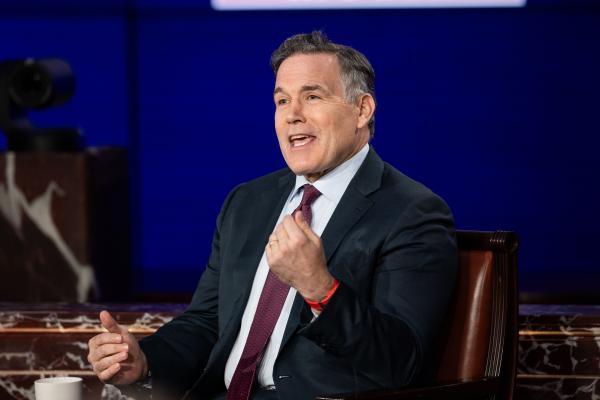
Join Senator Dave McCormick (R-PA), who recently visited Japan and Korea, and Distinguished Fellow Mike Gallagher for a fireside discussion on United States–China relations, the role of allies and partners in America’s Indo-Pacific strategy, and how the US can harness technology, industrial capacity, and allied strength to prevail in the defining strategic competition of our time.


Join Hudson Institute for a conversation with US Ambassador to the EU Andrew Puzder and Senior Fellow Harold Furchtgott-Roth on America’s interests in reducing the harmful effects of CS3D and CSRD.

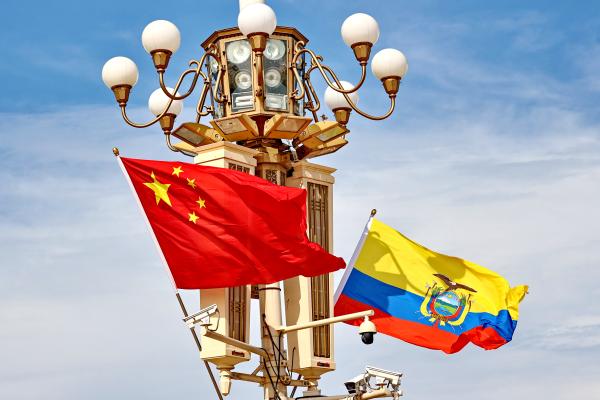
Join Hudson Institute for a conversation with Lazarus, founder of Lazarus Consulting and former speechwriter to the Commander of the US Southern Command.

Join Hudson Institute Senior Fellow Ludovic Hood for a panel with David Wurmser of the Jerusalem Center for Security and Foreign Affairs; David Makovsky of the Washington Institute; and Senior Fellow and Director of the Center for Peace and Security in the Middle East, Michael Doran, as they discuss the state of the race and potential paths forward for the United States–Israel relationship.