23
September 2026
Past Event
Inertial Confinement Fusion Bolsters Strategic Deterrence

Event will also air live on this page.


Inquiries: nhuergo@hudson.org.

Inertial Confinement Fusion Bolsters Strategic Deterrence

Past Event
Hudson Institute
September 23, 2026
engineers
Caption
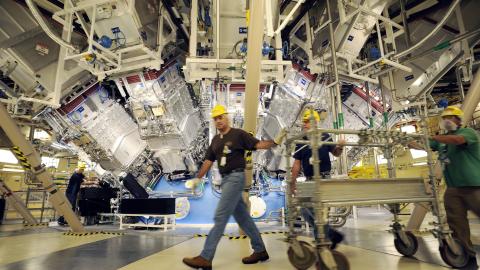
Engineers work outside the National Ignition Facility at Lawrence Livermore National Laboratory in Livermore, California, on September 25, 2009. (Getty Images)
23
September 2026
Past Event

Event will also air live on this page.


Inquiries: nhuergo@hudson.org.

Speakers:
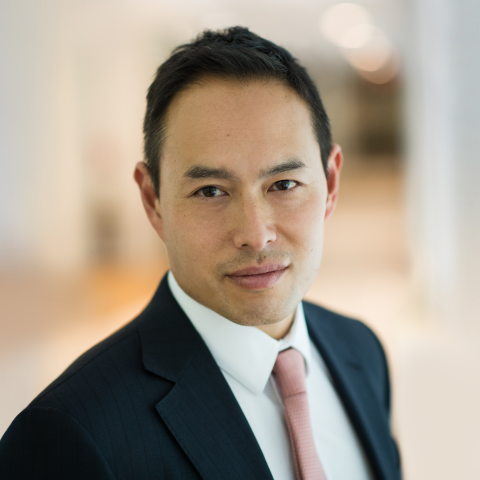
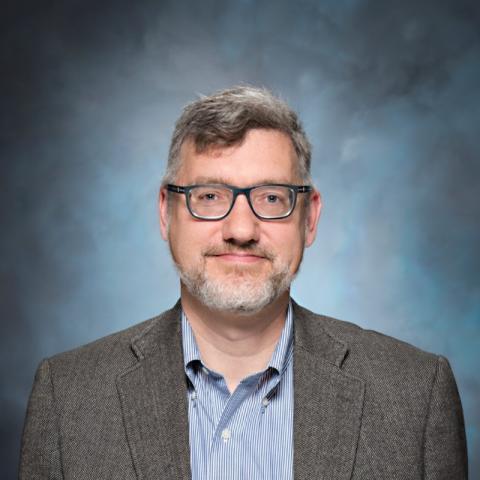
Mark Herrmann
Mark Herrmann

Associate Director for Weapon Physics and Design, Lawrence Livermore National Laboratory

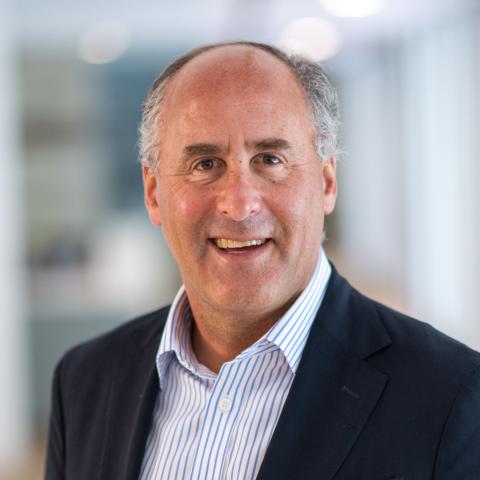
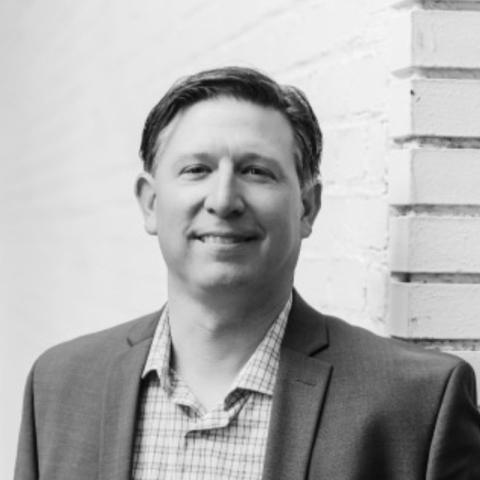
LeChien
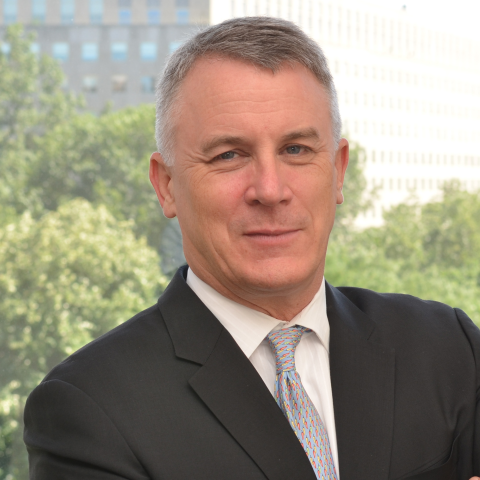
Keith LeChien

Founder and Chief Technology Officer, Pacific Fusion

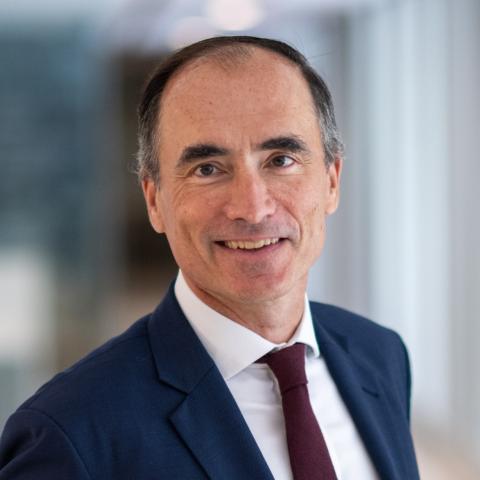
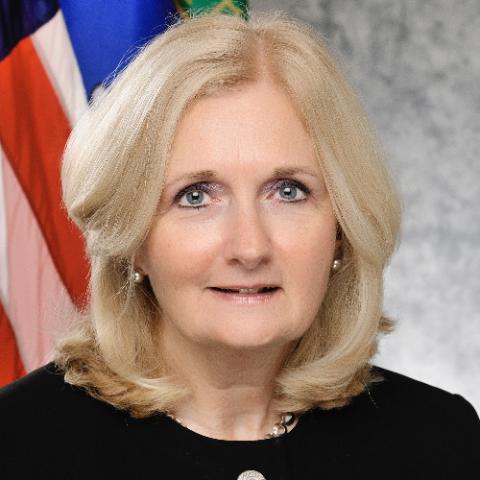
heinrichs
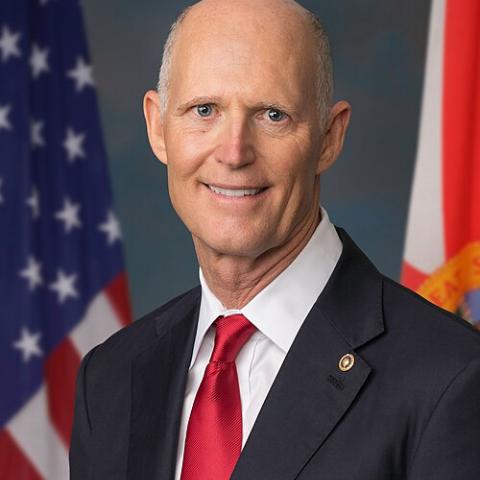
Rebeccah L. Heinrichs

Senior Fellow and Director, Keystone Defense Initiative

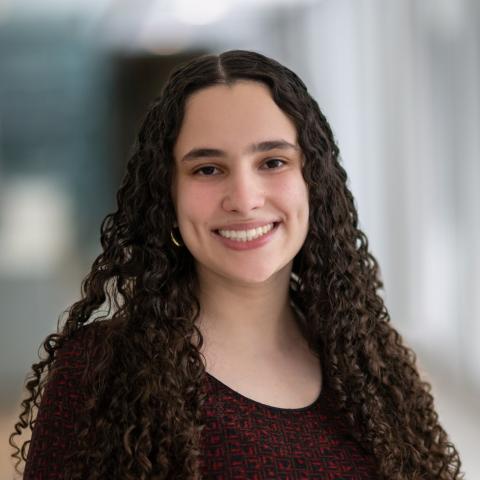
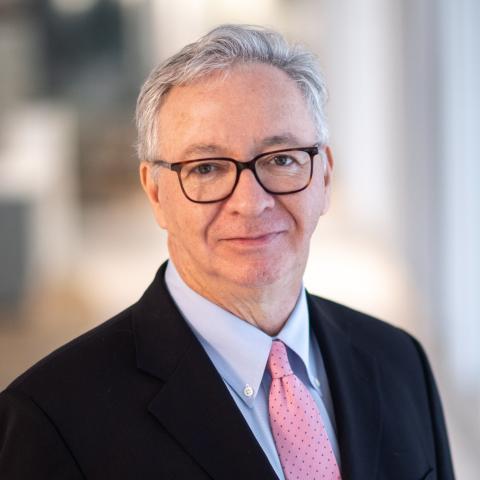
Creedon
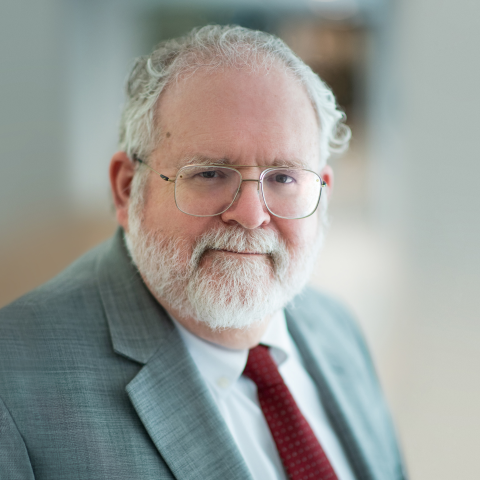
Madelyn Creedon

Former Principal Deputy Administrator, National Nuclear Security Administration

The United States’ highest national security priority is deterring major-power conflict with nuclear-armed adversaries. Investing in inertial confinement fusion is crucial to counter China, which is rapidly building fusion facilities and high-energy-density physics infrastructure to develop its arsenal.

Join Hudson Institute’s Keystone Defense Initiative for a discussion of “Inertial Confinement Fusion Is Key to America’s Nuclear Deterrent,” a new policy memo authored by Senior Fellow Rebeccah Heinrichs, Former Principal Deputy Administrator of the National Nuclear Security Administration Madelyn Creedon and Special Competitive Studies Project Adviser Abigail Remler.

Dr. Rebeccah L. Heinrichs and Hon. Madelyn Creedon will join Dr. Mark Herrmann, associate director for weapon physics and design at the Lawrence Livermore National Laboratory, and Dr. Keith LeChien, founder and chief technology officer of Pacific Fusion, to discuss the memo’s key takeaways and policy implications.

Event Highlights

Rebeccah L. Heinrichs

  • The United States’ highest national security priority, our highest one, because if everything’s a priority, then nothing is a priority, is deterring major power conflict with nuclear-armed adversaries. In 2023, the Bipartisan Strategic Posture Commission, on which I had the privilege of serving under the chairmanship of Madelyn and the late Senator John Kyl, was our ranking chair. And… what an enormous privilege it was to have Senator Kyl with us as his really last big project in service of this country, because with the two of them at the helm, I think we really delivered a product that continues to do great good for the United States and our allies, and so we were very fortunate to have him at the time.
  • China has invested roughly $10 billion in new laser and pulse power inertial confinement fusion projects. At the center is the China Academy of Engineering Physics, a PLA administered nuclear weapons lab, which is recruiting thousands of scientists and engineers into its ICF programs. China is building five large ICF facilities, three under construction, two in advanced planning.

Madelyn Creedon

  • And so the whole point of the article and today is to really discuss this continuing need, not only for the evolution of the scientific achievements that are part of the stockpile stewardship program, as we transition from a period of no longer having to just sustain the stockpile, but also the lessons learned from stockpile stewardship that will allow us to do the things that we’re going to need in the future to meet the threats that Rebeccah described as we turn the corner and actually start to put new nuclear weapons in the stockpile. Stockpile stewardship and the NIF and the other capabilities have really prepared the US now to take this next step, which we need to do as the stockpile ages out.

Keith LeChien

  • Pacific Fusion did break ground on our high-yield facility in August last month in Albuquerque, New Mexico. This is a facility designed to achieve a hundred megajoules of fusion yield. That’s more energy out than is stored in the capacitors to create it. So that’s also an interesting milestone for energy, getting more energy out than went in, that’s never been done. We’ve now broken ground on this, but 100 percent of that investment to date has been through private equity funding on our part. We’ve raised over a billion dollars and that’s allowed us to get to this point in terms of building the facility. We’ve also established mass manufacturing facilities. If we’re going to be first a high yield fusion by the end of this decade, we have to have technologies that can be mass manufactured and we’ve stood up those facilities and capabilities. Madelyn mentioned that we last month signed a memorandum of understanding with the National Nuclear Security Administration that lays out the way that private industry, it was specific to us, but in general, how private industry can partner with the National Nuclear Security Administration and the National Laboratories on high yield fusion.
  • Not only has China broken ground on some very large and impressive laser facilities, just this month actually, it’s broken ground on large pulse power capabilities capable of achieving high yield as well. This has just been this month. We’re seeing fusion technology and national news being shipped across the countryside in China, being built and mass manufactured in one location and being shipped across the countryside to be instituted in these facilities. And they’ve just published very interesting journal articles on how they’ll actually build these large facilities to win in high yield fusion. We have to get there first and that means converting all of this amazing support and momentum into programs that are funded at the right level to actually win.

Mark Herrmann

  • But the long-term goal for the program has always been to get to high fusion yield. And so, the exciting opportunity from the private sector engaging in this is they’re doing a lot of the work that if we had more money in the NNSA, we would be doing. If we had more money, we would have . . . As many of the ideas that led the foundation of Pacific Fusion and other companies were ideas that were studied at the NNSA and they built on them and made them better and all that stuff, just like we expect the private sector to do, but they have additional resources they’re bringing to this whole conversation. And so that is a great opportunity for all of us. It’s an opportunity for the energy future that they’re pursuing, but also an opportunity in the defense space where they can do work and buy down risk, and we can work together so that we’re kind of getting closer to that high-yield goal. And so, I do think it’s a super exciting time. And we have good partnerships today with Pacific Fusion, many other companies. And we’re working hand in glove with them to try and make sure that we help, to the extent we can, help them succeed so that we can lay that foundation and help the United States be the first to get to these ambitious goals.
  • And when you run into a problem with production where you can’t make it exactly the same way as you made it in the 1980s or you can’t use the same materials or you can’t do any of those things, how do you answer the question of what do you do? And so those scientific tools are essential to that. And so, the science is not a nice to have that we do on the side or because we used to be in a stewardship era. I don’t think we’re in a stewardship era anymore. I don’t think that’s the right description for what we’re doing.


Related Events
26
October 2026
In-Person Event | Hudson Institute
Mecca Pact vs. IMEC: Competing Visions for the New Middle East
Featured Speakers:
Michael Doran
Chaim Martin
Aslı Aydıntaşbaş
Soner Cagaptay
Ken Moriyasu
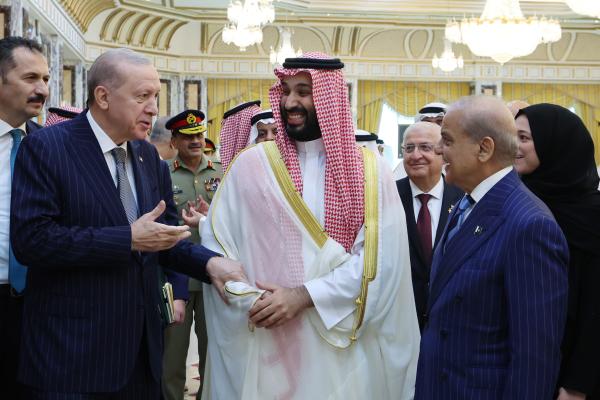
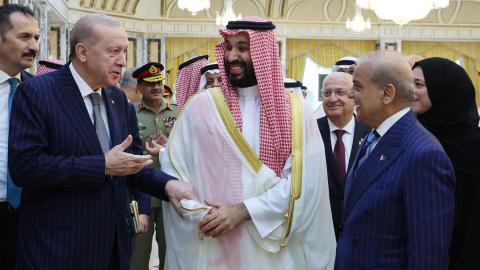
MBS and Erdogan
26
October 2026
In-Person Event | Hudson Institute
Mecca Pact vs. IMEC: Competing Visions for the New Middle East

Join Hudson Institute Senior Fellow Ken Moriyasu for a panel with Chaim Martin, Israel’s minister of economic affairs to the United States; Aslı Aydıntaşbaş of the Brookings Institution; Soner Cagaptay of the Washington Institute; and Director of the Center for Peace and Security in the Middle East Michael Doran as they examine the logic behind each framework and what their rivalry means for US policy.
MBS and Erdogan
Featured Speakers:
Michael Doran
Chaim Martin
Aslı Aydıntaşbaş
Soner Cagaptay
Ken Moriyasu
27
October 2026
In-Person Event | Hudson Institute
Chemistry of Combat: Rebuilding America’s Energetics Base
Featured Speakers:
Madeline Hart
Chris Michienzi
Michael Brown
Sean Hunt
Marcus Jones
Alex Woods
Nadia Schadlow
Kristy Klein
Mortars go boom
27
October 2026
In-Person Event | Hudson Institute
Chemistry of Combat: Rebuilding America’s Energetics Base

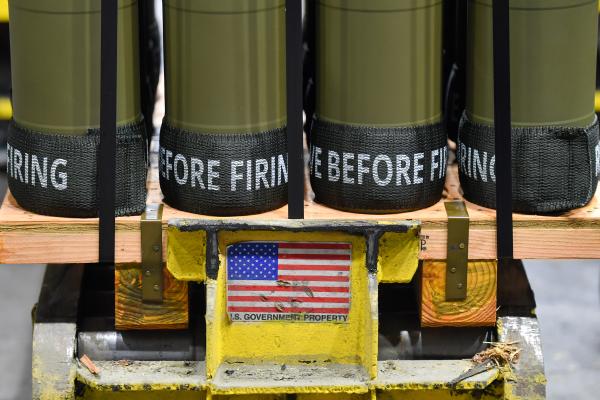
Join Hudson Institute for a discussion of how the US can build a more resilient and flexible energetics base—one that can meet sustained demand while accelerating the development and fielding of new capabilities.
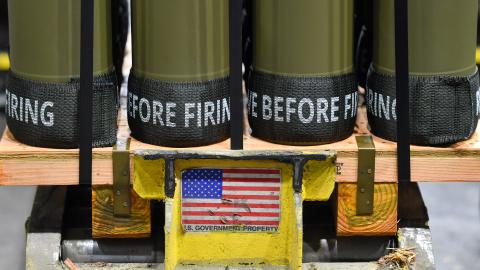
Mortars go boom
Featured Speakers:
Madeline Hart
Chris Michienzi
Michael Brown
Sean Hunt
Marcus Jones
Alex Woods
Nadia Schadlow
Kristy Klein
23
October 2026
Past Event
The Annual Czech and Slovak Freedom Lecture
Featured Speakers:
Karel Řehka
Daniel Kochis
Luke Coffey
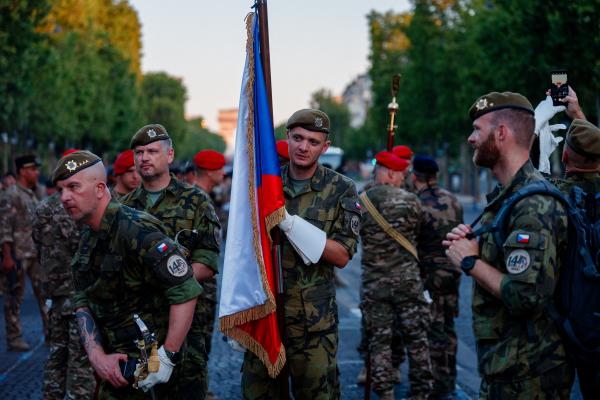
Czech Soldiers
23
October 2026
Past Event
The Annual Czech and Slovak Freedom Lecture

Hudson welcomes Karel Řehka, former chief of the General Staff of the Czech Armed Forces, to discuss the changing security environment in Europe and its implications for the Czech Republic, the North Atlantic Treaty Organization, and the transatlantic alliance.

Czech Soldiers
Featured Speakers:
Karel Řehka
Daniel Kochis
Luke Coffey
22 - 25
October 2026
Past Event
Israel’s Place in the American Order
Featured Speakers:
Zineb Riboua
Aaron MacLean
Kate Rozansky
flags
22 - 25
October 2026
Past Event
Israel’s Place in the American Order
flags
Featured Speakers:
Zineb Riboua
Aaron MacLean
Kate Rozansky